Giglio Castello
|
Latest page update: 24 May 2025
|
By: Dion Protani
|
Where to Stay
Where to Stay in Giglio Castello
Giglio Castello offers a small but appealing selection of accommodation, reflecting its historic character and location high above the coast on Giglio Island. Most stays are in traditional stone buildings, with a few established hotels providing full facilities and consistently strong guest feedback.
Hotel Castello Monticello, located between Giglio Castello and Giglio Porto, is the leading choice, offering sea-view rooms, a restaurant and terrace, praised for its comfort, food and panoramic position (€€€). Within the village walls, Hotel Il Saraceno provides simple, comfortable rooms in a historic setting, appreciated for its cleanliness, friendly service and authentic charm (€€). For those preferring a stay closer to the coast, Hotel Arenella near the beach offers modern accommodation surrounded by Mediterranean vegetation, with a restaurant and terrace, well reviewed for its relaxed atmosphere and excellent hospitality (€€€).
Where is
Where is Giglio Castello?
|
The village of Giglio Castello is situated within the Province of Grosseto, on the island of Giglio.
It stands at an elevation of 405 metres above sea level and has a population of around 600 inhabitants. Places of interest nearby include Cala delle Caldane, Cala delle Cannelle Beach and Giglio Porto while recommended accommodation is La Guardia Hotel. |
Giglio Castello is included in the list of Borghi Più Belli d'Italia (most beautiful villages in Italy).
Giglio Castello - frazione di Isola del Giglio
|
Comune: Isola del Giglio
Province: Grosseto Region: Tuscany Elevation: 405 metres Close by: Cala delle Caldane Beach, Cala delle Cannelle Beach Recommended accommodation: La Guardia Hotel |
One of I Borghi più belli d'Italia (Italy's Most Beautiful Villages)
Listing headline: Fiore del Tirreno (Flower of the Tyrrhenian Sea)
What People Ask About Giglio Castello
Is Giglio Castello worth visiting?
Yes, Giglio Castello is worth visiting for its medieval fortress, narrow stone lanes, and panoramic views over the Tyrrhenian Sea. It is the historic centre of Isola del Giglio and offers a striking contrast to the island’s coastal villages.
What are the main attractions in Giglio Castello?
The main sights include the Rocca Aldobrandesca fortress, the town walls, and the Church of San Pietro Apostolo, which houses valuable artworks. Visitors can also enjoy the medieval streets and panoramic viewpoints across the island and sea.
How do I get to Giglio Castello?
To reach Giglio Castello, take a ferry from Porto Santo Stefano to Giglio Porto, the island’s harbour. From there, buses and taxis run up the hill to Giglio Castello, about 5 kilometres away.
When is the best time to visit Giglio Castello?
The best time to visit is late spring to early autumn, when ferries operate frequently and the weather is pleasant. September is particularly popular for the grape harvest festival held in the village.
How long should I stay in Giglio Castello?
A half day is usually enough to explore the fortress, church, and medieval streets. Many visitors combine a trip to Giglio Castello with time at the island’s beaches or a stay in Giglio Porto or Campese.
Related links
Discover
Discover Giglio Castello
Giglio Castello is a fortified village on Isola del Giglio, part of the Tuscan Archipelago in the Tyrrhenian Sea. Set at around 400 metres above sea level, it stands on a granite ridge overlooking the island’s coastline, with views stretching towards Monte Argentario and the mainland. Enclosed by thick medieval walls and towers, the settlement forms a compact maze of stone houses and steep lanes surrounding its central fortress.
At the heart of the village rises the Rocca Aldobrandesca, built in the twelfth century and later strengthened under the Medici. The Church of San Pietro Apostolo holds notable artworks, including silver pieces attributed to Gian Lorenzo Bernini. Giglio Castello is linked by a winding road to Giglio Porto below, providing access to ferries from the mainland. Its elevated position and preserved medieval fabric make it one of the most distinctive settlements within the Tuscan Archipelago.
Things to Do
Things to Do in Giglio Castello
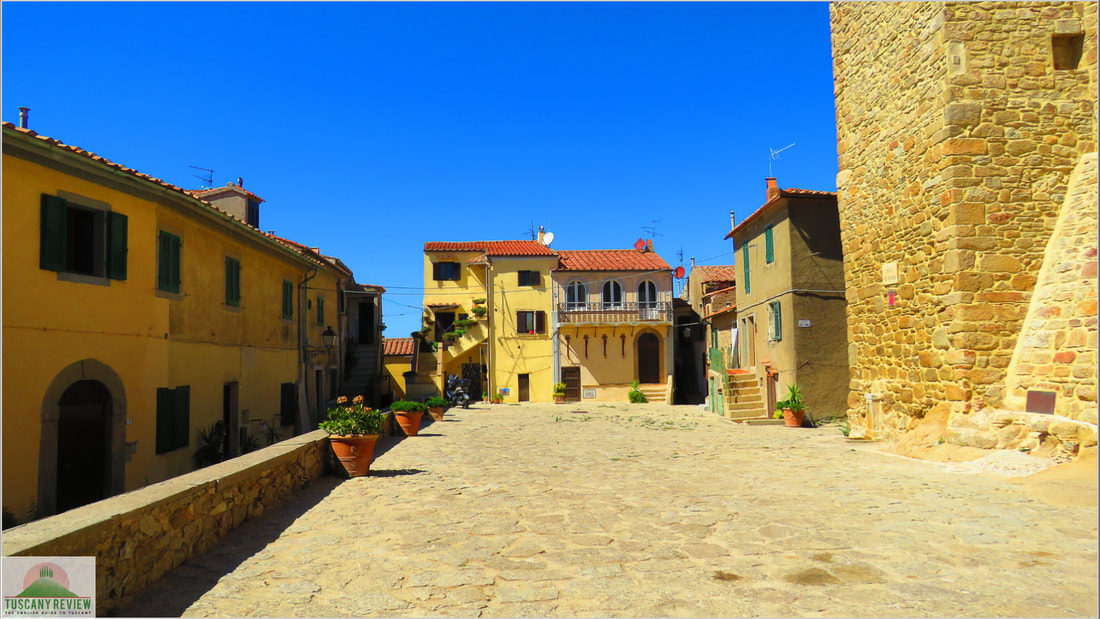
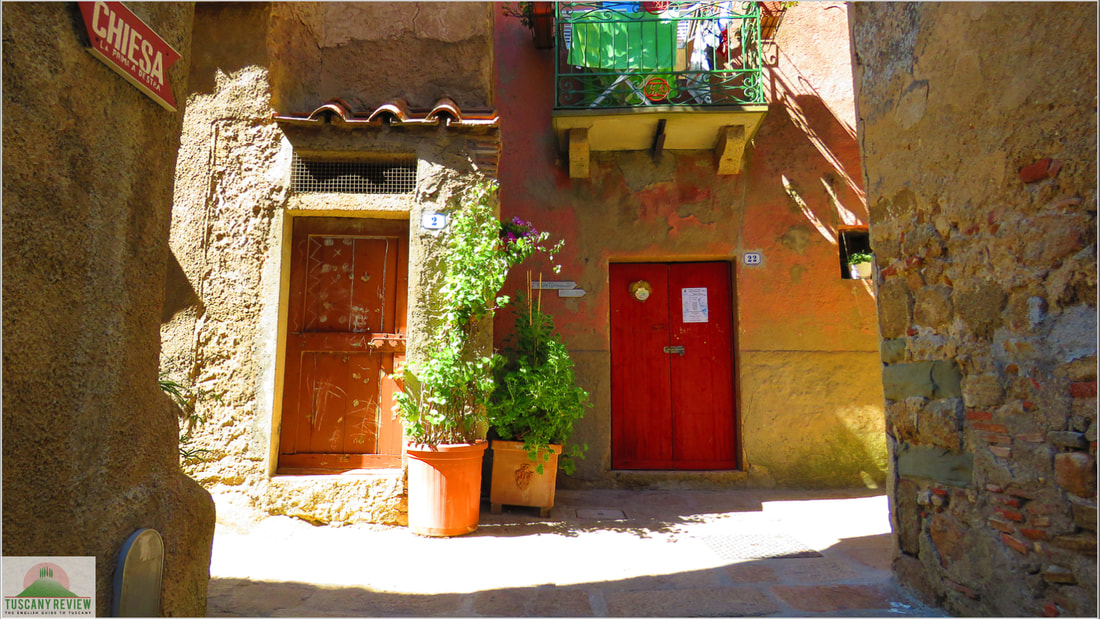
- Centro Storico di Giglio Castello is a captivating medieval village where narrow stone lanes twist among ancient houses, fortress walls, and terracotta rooftops. Wooden shutters, arched passageways, and flowering balconies add charm and colour to the traditional architecture. The village sits high on Giglio Island, offering panoramic views over the Tyrrhenian Sea and rugged coastal slopes. Its atmosphere blends quiet island life with the historic presence of its fortified past.
- Chiesa di San Pietro Apostolo stands prominently in Giglio Castello, with a modest exterior and a peaceful, intimate interior. Inside are baroque altars, sacred relics, and fine decorative details reflecting local artistry. The church remains central to religious life and village gatherings. It’s a serene place to visit while exploring the winding streets.
- Piazza Gloriosa serves as the village’s social heart, edged with stone buildings, small shops, and inviting cafés. Locals and visitors gather here for conversations, festivals, and everyday life. Outdoor seating offers views of medieval towers and glimpses of the sea. The square reflects the lively yet tranquil rhythm of life in Giglio Castello.
- Mura di Giglio Castello are imposing medieval walls encircling the village, with towers and gateways still largely intact. Walking along sections of the ramparts offers stunning vistas over the island and surrounding waters. The walls stand as a symbol of Giglio’s strategic importance in past centuries. It’s an unforgettable highlight for history lovers and photographers.
- Guided walks in Giglio Castello and surroundings explore medieval streets, fortress pathways, and trails leading to coastal viewpoints. Local guides share stories about pirate raids, noble families, and island traditions. Walks vary from gentle village strolls to more adventurous hikes. It’s a wonderful way to connect with the cultural heritage and natural beauty of Giglio Island.
Tours and Activities
Giglio Castello Tours and Activities
Photo Gallery
Giglio Castello Photo Gallery
Tuscany Top 10 - My Recommended Destinations in Tuscany
1. Florence
2. Siena
3. Val d'Orcia
4. Pisa
5. Lucca
6. San Gimignano
7. Giglio
8. Volterra
9. Pienza
10. Elba
👉 Explore the Top 10 Places to Visit in Tuscany
1. Florence
2. Siena
3. Val d'Orcia
4. Pisa
5. Lucca
6. San Gimignano
7. Giglio
8. Volterra
9. Pienza
10. Elba
👉 Explore the Top 10 Places to Visit in Tuscany
How to Get to [Place Name]
How to Get to Giglio Castello
By Rail: Giglio Castello does not have a railway station. The nearest mainline station is in Orbetello-Monte Argentario, about 50 kilometres from the Porto Santo Stefano ferry terminal, on the Rome–Grosseto line operated by Trenitalia. Regional trains connect Orbetello to Rome in about 1 hour and 30 minutes and to Grosseto in roughly 30 minutes. From the station, travellers can reach Porto Santo Stefano by car, taxi, or local bus before continuing to Giglio Island by ferry.
By Road: Giglio Castello is located on Giglio Island, which is accessible only by sea. From Grosseto, the drive to Porto Santo Stefano (the mainland ferry port) is about 45 kilometres, taking around 45 minutes via the SS1 Aurelia and local coastal roads. From Rome, the journey to Porto Santo Stefano is approximately 160 kilometres, with a driving time of about 2 hours. Once on the island, Giglio Castello can be reached by road from Giglio Porto in around 15 minutes by car, taxi, or bus.
Nearest International Airports:
Ferry Connections:
Porto Santo Stefano: Regular ferries connect Porto Santo Stefano on the mainland to Giglio Porto, the main harbour on the island, with a crossing time of around 1 hour. Services operate year-round for passengers and vehicles, with additional departures during the summer season. From Giglio Porto, local transport links connect to Giglio Castello.
By Road: Giglio Castello is located on Giglio Island, which is accessible only by sea. From Grosseto, the drive to Porto Santo Stefano (the mainland ferry port) is about 45 kilometres, taking around 45 minutes via the SS1 Aurelia and local coastal roads. From Rome, the journey to Porto Santo Stefano is approximately 160 kilometres, with a driving time of about 2 hours. Once on the island, Giglio Castello can be reached by road from Giglio Porto in around 15 minutes by car, taxi, or bus.
Nearest International Airports:
- Rome Fiumicino Airport: Located about 150 kilometres from Porto Santo Stefano, with a total journey time of around 2 hours to the ferry terminal. It offers extensive domestic, European, and intercontinental flight connections.
- Pisa Galileo Galilei Airport: Approximately 190 kilometres from Porto Santo Stefano, with a driving time of about 2 hours and 30 minutes. It provides numerous European routes and some long-haul flights.
- Florence Peretola Airport: Roughly 200 kilometres away, the journey to the ferry terminal takes about 2 hours and 40 minutes. It serves several European and national destinations.
Ferry Connections:
Porto Santo Stefano: Regular ferries connect Porto Santo Stefano on the mainland to Giglio Porto, the main harbour on the island, with a crossing time of around 1 hour. Services operate year-round for passengers and vehicles, with additional departures during the summer season. From Giglio Porto, local transport links connect to Giglio Castello.