Venetian Lagoon Islands
|
Latest page update: 7 September 2025
|
By: Dion Protani
|
Where is
Where is the Venetian Lagoon?
|
The Venetian Lagoon is a UNESCO World Heritage Site on the Adriatic Coast, covering an area of 550 km².
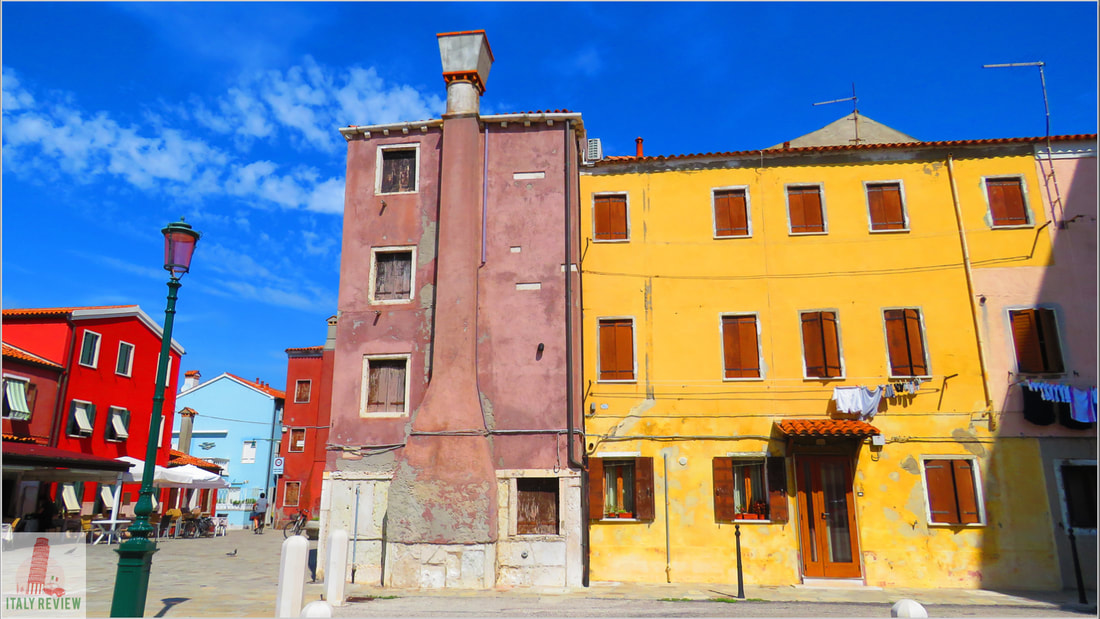
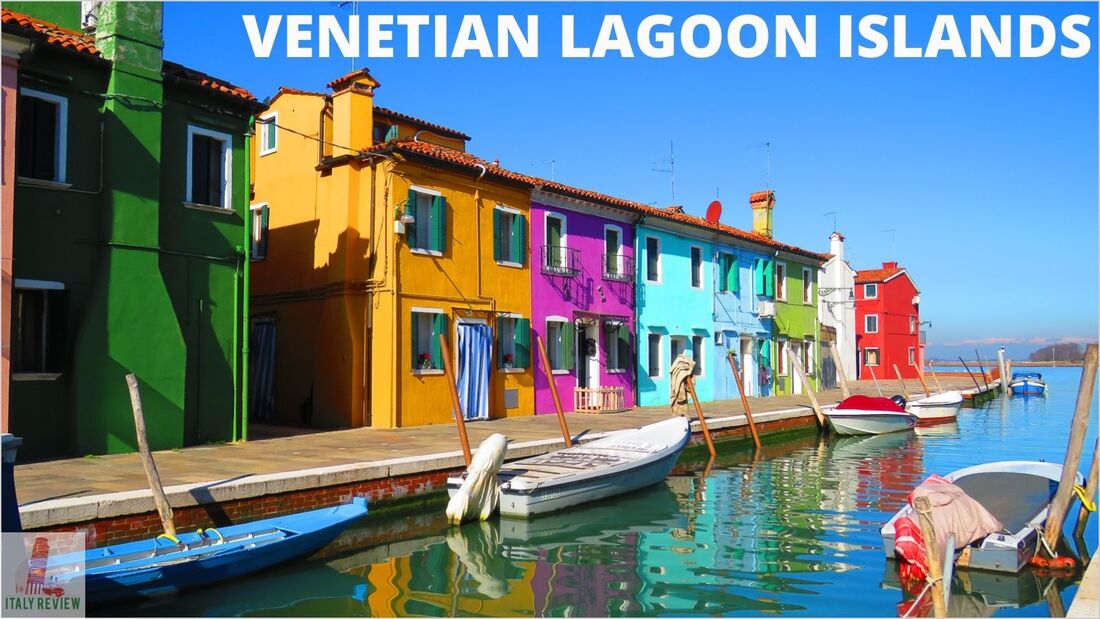
There are more than 100 islands in the lagoon, only a few of which are inhabited. The largest by far is Venice while some of the more famous are Murano, Burano and Torcello. Pellestrina isn't everyone's cup of tea and I almost didn't visit it after reading some negative reviews but it turned out to be one of my highlights of the whole Veneto region. Burano is something quite unique, a tiny Lagoon island where almost every building is painted in a bright colour and it even has its own leaning tower! |
UNESCO World Heritage Site
Venice and its Lagoon
Year: 1987
Venice and its Lagoon
Year: 1987
What People Ask About the Venetian Lagoon
Is the Venetian Lagoon worth visiting?
Yes, the Venetian Lagoon is worth visiting for its blend of iconic cities, quiet islands, and unique waterways. Beyond Venice, it includes Murano, Burano, Torcello, and lesser-known islands full of history and charm.
What are the best islands to visit in the Venetian Lagoon?
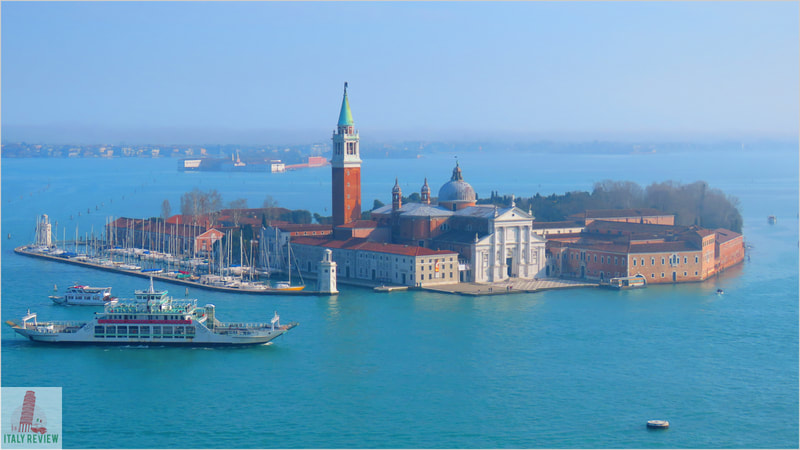
Popular islands include Murano, famous for glassmaking; Burano, known for its colourful houses and lace; and Torcello, home to a historic basilica. San Giorgio Maggiore and San Lazzaro degli Armeni are also worth visiting.
How do you explore the Venetian Lagoon?
The lagoon is best explored by vaporetto (public waterbus), which connects Venice with the main islands. Private boat tours are also available and allow access to quieter areas and less-visited islands.
How many islands are in the Venetian Lagoon?
There are over 100 islands in the Venetian Lagoon, though only a fraction are inhabited or accessible to visitors. Each has its own character, ranging from active communities to abandoned monasteries and nature reserves.
Can you swim in the Venetian Lagoon?
Swimming is not recommended in the main lagoon waters due to boat traffic and water quality. However, nearby beaches such as those on the Lido and Pellestrina offer safe swimming in cleaner, open waters.
Related links
Discover
Discover the Venetian Lagoon
The Venetian Lagoon, located in the northeastern part of Italy, is a unique and expansive body of water that surrounds the city of Venice. Known for its intricate network of islands, channels, and wetlands, the lagoon offers a captivating landscape shaped by centuries of human history and natural forces. Its shallow waters are home to a diverse ecosystem, with a mix of saltwater and freshwater environments that support various plant and animal species.
The lagoon is dotted with islands, each with its own character and attractions, including Murano, famous for its glassmaking, and Burano, known for its brightly coloured houses and lace-making traditions. The Laguna di Venezia is also home to several nature reserves and birdwatching areas, offering a chance to explore its diverse wildlife. The Venetian Lagoon is easily accessible by water transport, with regular ferry connections to Venice and the surrounding islands, providing an unforgettable way to explore the area’s natural beauty and rich cultural heritage.
The Islands
The Islands
Burano
|
Burano, a charming island in the Venetian Lagoon, is located about 7 kilometers from Venice. Renowned for its vibrant, colourful houses, the island is a picturesque destination that has inspired artists and photographers for centuries.
Legend says fishermen painted their homes in bright colours to make them easily visible from the lagoon. Burano is also famous for its intricate lace-making tradition, which dates back to the 16th century and remains a celebrated craft today. Key attractions include the Lace Museum, the leaning bell tower of San Martino Church, and quaint canals lined with boats. |
Murano
|
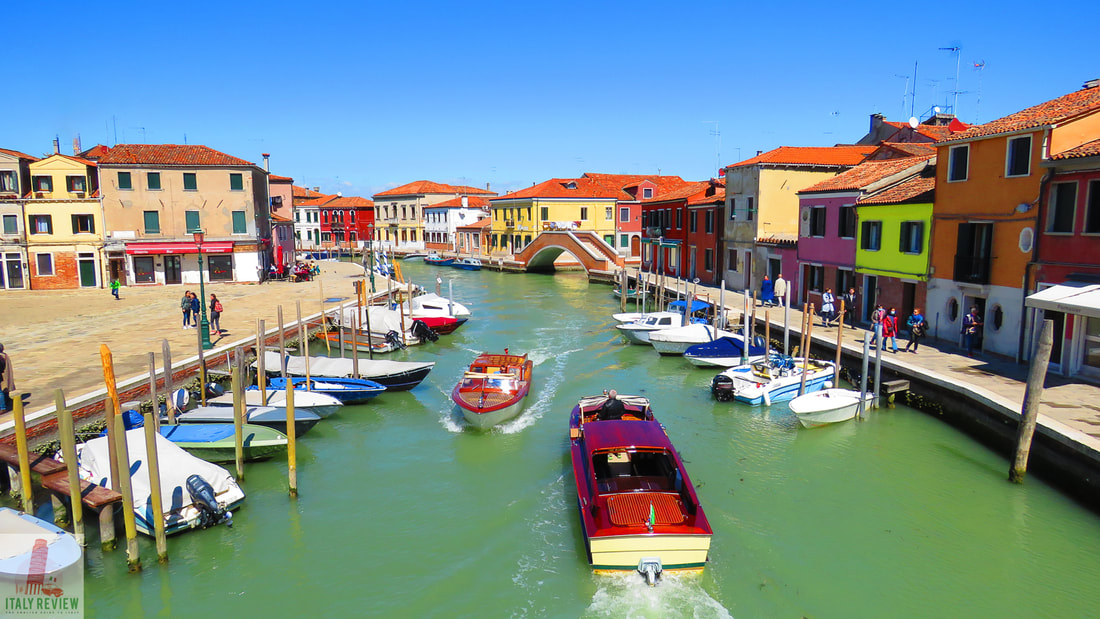
Murano lies just north of Venice and is world-renowned for its centuries-old glassmaking tradition.
Visitors can explore glass workshops, museums like the Museo del Vetro, and purchase exquisite handmade glass art. Murano’s highlights include the Basilica dei Santi Maria e Donato, famous for its stunning Byzantine mosaics, and charming canals lined with colorful buildings. Murano gained prominence when Venice moved its glass furnaces here in 1291 to prevent fires. Today, it blends artistic heritage, history, and Venetian charm, making it a must-visit destination. |
Pellestrina
|
Pellestrina, a narrow island in the Venetian Lagoon, lies between the Adriatic Sea and the lagoon, south of Lido. Known for its peaceful charm and traditional fishing culture, the island is lined with colourful houses, quiet streets, and sandy beaches.
Pellestrina is protected by the Murazzi, impressive stone sea walls built in the 18th century to defend against flooding. The island is famous for its lace-making tradition and fresh seafood, particularly in the village of San Pietro in Volta. Historically, Pellestrina played a key role in Venice’s maritime defences. |
Torcello
|
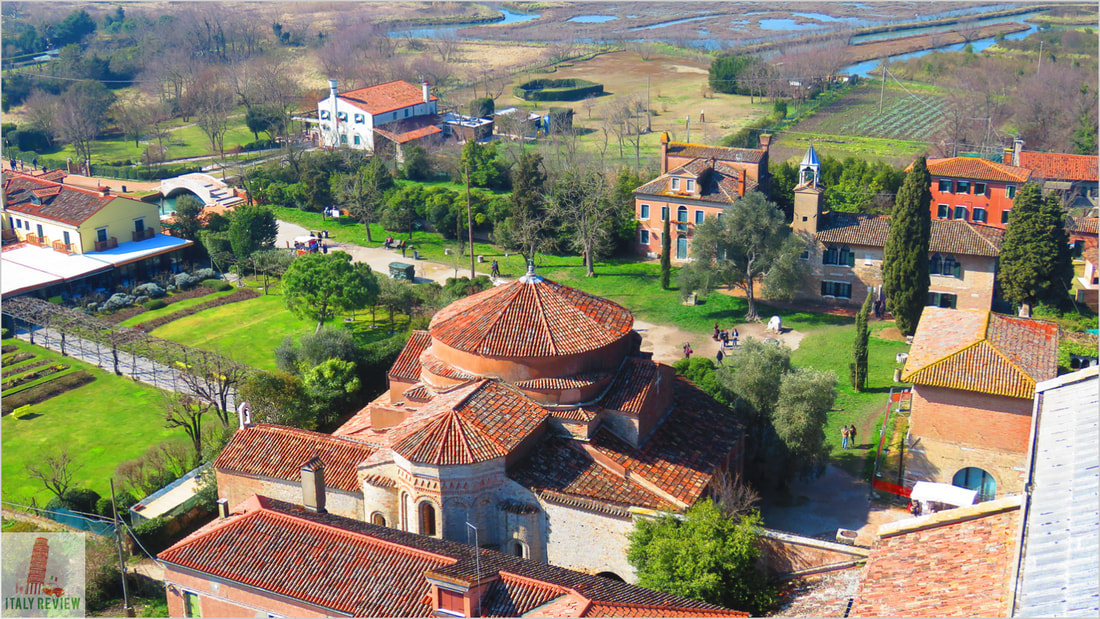
Torcello is a tranquil island in the Venetian Lagoon, located a short distance from Burano and Venice.
Renowned for its historic significance, Torcello was one of the earliest lagoon settlements, thriving as a major Byzantine trade hub in the 5th century before Venice’s rise. Today, the island is sparsely populated, offering a peaceful retreat rich in history and charm. Its highlights include the 7th-century Cathedral of Santa Maria Assunta, featuring stunning Byzantine mosaics, and the ancient Church of Santa Fosca. Visitors can also see the famous Attila’s Throne and enjoy the serene natural landscapes. |
Things to Do
Things to Do in the Venetian Lagoon
- Exploring Burano’s Lace Workshops offers visitors the chance to see the island’s centuries-old lace-making craft in action. Local artisans demonstrate intricate techniques, and visitors can purchase handmade lace items while learning about this delicate tradition.
- Visiting Murano’s Glass Museums and Furnaces provides an immersive experience into the art of glassmaking. Guests can watch live demonstrations by master glassblowers, tour the Glass Museum to see historic pieces, and explore galleries showcasing contemporary glass art.
- Discovering Torcello’s Basilica di Santa Maria Assunta allows visitors to admire exceptional Byzantine mosaics dating back to the 7th century. The church’s architecture and ancient altar are highlights, along with the peaceful surrounding archaeological sites.
- Cycling along Lido di Venezia’s Coastal Paths is a popular activity, offering scenic views of the lagoon and open sea. The island’s flat terrain and bike-friendly routes make it ideal for leisurely rides between beaches, cafes, and historic landmarks.
- Guided kayaking and boat tours through the lagoon’s canals and wetlands reveal hidden corners of this unique environment. These excursions often include birdwatching, visits to secluded fishing villages, and tastings of Venetian seafood specialties, providing a rich blend of nature and culture.
Tours and Activities
Venetian Lagoon Tours and Activities
Where to Stay
Where to Stay in the Venetian Lagoon
- Hyatt Centric Murano Venice (Located opposite Murano Museo vaporetto stop, Murano.) A 4-star hotel with spacious rooms, a wellness area, and a restaurant with lagoon views. Guests highlight the convenient boat connections, the modern design, and the attentive service. Price Guide: €€€ (mid-range)
- Venissa Wine Resort (Located on Mazzorbo, connected to Burano by footbridge.) A boutique hotel set within a vineyard estate, offering elegant rooms and a Michelin-starred restaurant. Visitors appreciate the unique vineyard setting, the fine dining, and the peaceful atmosphere close to colourful Burano. Price Guide: €€€€ (high-end)
- Hotel Excelsior Venice Lido Resort (Located on the Lido, directly on the beach.) A historic 5-star resort with spacious rooms, a private beach, outdoor pool, and multiple restaurants. Guests value the seafront position, the classic elegance, and the easy vaporetto access to Venice. Price Guide: €€€€ (high-end)
Where to Eat
Where to Eat in the Venetian Lagoon
- Antica Osteria Cera (Campagna Lupia): Located on the southern edge of the lagoon, this two Michelin-starred restaurant is known for its refined seafood specialities. The tasting menus focus on local fish, with highlights such as Adriatic sole, red prawns, and smoked eel. The elegant setting and attentive service make it ideal for a special occasion. Price guide: €€€€ (Fine dining)
- Trattoria alla Laguna (Treporti): Found in the Cavallino-Treporti area, this traditional trattoria offers views over the lagoon and a menu full of regional classics. Fresh fish and homemade pasta are the focus, with dishes like spaghetti with clams, grilled sea bass, and mixed seafood antipasti. It’s popular with both locals and visitors. Price guide: €€ (Mid-range)
- Ristorante Da Celeste (Pellestrina): On the narrow island of Pellestrina, Da Celeste is a longstanding favourite for its lagoon-side location and authentic cuisine. Diners can enjoy dishes such as seafood risotto, grilled calamari, and pasta with cuttlefish ink while looking out over the water. A peaceful setting with traditional charm. Price guide: €€€ (Special occasion)
- Locanda Cipriani (Torcello): Set in the tranquil surroundings of Torcello, this historic restaurant has welcomed famous guests including Ernest Hemingway. The garden dining area and rustic interior provide a timeless atmosphere. The menu features refined Venetian dishes, including seasonal risottos and roasted meats. Price guide: €€€€ (Fine dining)
- Trattoria alla Maddalena (Mazzorbo): Located across a small bridge from Burano, this welcoming trattoria serves honest, well-prepared dishes with a focus on fresh seafood. Standouts include razor clams, octopus salad, and spaghetti alle vongole. It’s a great stop during a visit to the northern part of the lagoon. Price guide: €€ (Mid-range)
Photo Gallery
Venetian Lagoon Islands Photo Gallery
Places Close to [Place Name]
Places Close to the Venetian Lagoon
- Venice: Famous for its canals, historic architecture, and vibrant culture, Venice is a world-renowned destination. Visitors can explore iconic landmarks like St. Mark's Basilica, the Rialto Bridge, and the Doge's Palace, or take a gondola ride through the canals. The city’s rich history and unique atmosphere make it a must-visit destination.
- Chioggia (approx. 25 km south of Venice): Often referred to as "Little Venice," Chioggia is a charming coastal town known for its canals, colourful buildings, and fishing heritage. Visitors can stroll along the seafront, visit the local fish market, or explore the Chiesa di San Giacomo and the historic centre, offering a quieter alternative to Venice.
- Mestre (approx. 10 km northwest of Venice): Located on the mainland, Mestre is a bustling town offering a more modern, urban experience compared to Venice. It is well connected to the island of Venice and serves as a hub for transportation. Visitors can explore the town’s shopping streets, enjoy local cuisine, or take a short trip into the historic heart of Venice.
- Cavallino-Treporti (approx. 15 km northeast of Venice): A peaceful town located along the Adriatic coast, Cavallino-Treporti offers beautiful beaches and a laid-back atmosphere. Visitors can relax by the sea, enjoy water sports, or take boat trips through the nearby Venetian Lagoon, exploring hidden corners of the lagoon's islands and natural reserves.
- Jesolo (approx. 30 km east of Venice): Known for its long, sandy beaches and lively atmosphere, Jesolo is a popular resort town on the Adriatic coast. Visitors can enjoy sunbathing, water sports, or take part in the town's vibrant nightlife. The town also offers family-friendly attractions, including amusement parks and a variety of restaurants and cafes.
|
Veneto Top 10 - My Recommended Destinations in Veneto
1. Venice 2. Lake Garda 3. Verona 4. Padua 5. Burano 6. Vicenza 7. Bassano del Grappa 8. Cortina d'Ampezzo 9. Chioggia 10. Soave 👉 Explore the Top 10 Places to Visit in Veneto |
How to Get to [Place Name]
How to Get to the Venetian Lagoon
By Rail: The Venetian Lagoon is accessible via several train stations on the mainland and within Venice itself. The main arrival point is Venezia Santa Lucia, located on the Grand Canal and connected to the rest of the lagoon by vaporetto (waterbus). Trains from Milan take around 2 hours 30 minutes, and from Florence approximately 2 hours. Venezia Mestre station on the mainland also offers convenient access, especially for those heading to outlying islands.
By Road: While cars cannot enter the lagoon itself, visitors can drive to Piazzale Roma in Venice, which serves as the main car terminal. From there, public water transport connects travellers to islands across the lagoon. The drive from Verona takes around 1 hour 30 minutes via the A4 motorway. Parking is available at Tronchetto and Piazzale Roma for day or overnight stays.
Nearest International Airports:
Ferry Connections:
Venice: Regular public transport boats (vaporetto) connect the main islands of the lagoon, including Murano, Burano, and Torcello, with frequent daily services. The system is operated by ACTV, with routes departing from several piers across Venice.
Chioggia and Punta Sabbioni: Additional ferry routes operate from Chioggia and Punta Sabbioni, especially during the summer months. These services offer access to islands such as Lido and are useful for visitors staying outside the city centre. The crossing times vary between 30 minutes and 1 hour depending on the route.
By Road: While cars cannot enter the lagoon itself, visitors can drive to Piazzale Roma in Venice, which serves as the main car terminal. From there, public water transport connects travellers to islands across the lagoon. The drive from Verona takes around 1 hour 30 minutes via the A4 motorway. Parking is available at Tronchetto and Piazzale Roma for day or overnight stays.
Nearest International Airports:
- Venice Marco Polo Airport: Located approximately 13 kilometres from central Venice, the journey to the lagoon takes about 30 minutes by water taxi or Alilaguna boat. This is the most convenient airport for access to the Venetian Lagoon.
- Treviso Antonio Canova Airport: Situated around 40 kilometres from Venice, it is popular with low-cost carriers. The drive to Piazzale Roma takes roughly 45 minutes, with shuttle services available to Venice.
Ferry Connections:
Venice: Regular public transport boats (vaporetto) connect the main islands of the lagoon, including Murano, Burano, and Torcello, with frequent daily services. The system is operated by ACTV, with routes departing from several piers across Venice.
Chioggia and Punta Sabbioni: Additional ferry routes operate from Chioggia and Punta Sabbioni, especially during the summer months. These services offer access to islands such as Lido and are useful for visitors staying outside the city centre. The crossing times vary between 30 minutes and 1 hour depending on the route.