Pistoia
|
Latest page update: 23 August 2025
|
By: Dion Protani
|
Where to Stay
Where to Stay in Pistoia
Pistoia offers a modest but well-reviewed selection of established hotels, supported by its historic centre, museums and rail links to Florence and Lucca. The best options focus on comfort, character and convenient access to the main streets, piazzas and cultural landmarks.
Hotel Patria, in the heart of the old town, is one of the most established choices, appreciated for its elegant interior style, welcoming service and excellent location for exploring Pistoia on foot (€€€). Hotel Milano, close to the centre and station, provides a practical alternative with comfortable rooms and easy connections for day trips around Tuscany (€€). For guests seeking more space and amenities, Battistero Residence offers stylish rooms and a refined atmosphere near the cathedral complex, making it a popular base for longer stays (€€€).
Where is
Where is Pistoia?
|
The city of Pistoia is the capital city of the Province of Pistoia with a population of 90,358 inhabitants.
Standing at an elevation of 65 metres above sea level, it covers a total area of 236 km² and lies 35 kilometres north west of Florence, the regional capital of Tuscany. Italy's Capital of Culture in 2017, Pistoia is described in some quarters as a "mini-Florence" for its architectural legacy, particularly its Baptistery, and deserves more than a fleeting visit. |
Comune di Pistoia
|
Province: Pistoia
Region: Tuscany Population: 89,116 (in 2024 - source) Total size: 236 km² Elevation: 65 metres Top sights: Pistoia Cathedral, Pistoia Baptistery, Pistoia Bell Tower Close by: Vinci, Cutigliano, Abetone, Prato, Lucca, Florence |
What People Ask About Pistoia
What is Pistoia known for?
Pistoia is known for its medieval architecture, well-preserved piazzas, and Romanesque churches. Often overshadowed by nearby Florence, it offers a quieter atmosphere with notable sites like the Cathedral of San Zeno and the Ospedale del Ceppo.
Is Pistoia worth visiting?
Yes, Pistoia is worth visiting for its historical charm, lesser-known museums, and relaxed pace. It’s ideal for travellers looking to explore an authentic Tuscan town without the large crowds found in more touristy destinations.
What are the top attractions in Pistoia?
Key attractions include Piazza del Duomo, the Cathedral of San Zeno, the bell tower, the Baptistery of San Giovanni, and the Ospedale del Ceppo with its glazed terracotta frieze. The underground tour beneath the hospital is also popular.
How do I get to Pistoia?
Pistoia has its own train station with regular regional trains from Florence, taking around 40 minutes. It’s also accessible by car via the A11 motorway and has public parking near the historic centre.
What is the Ospedale del Ceppo?
The Ospedale del Ceppo is a historic hospital in Pistoia, founded in the 13th century. It’s known for its Renaissance portico decorated with colourful glazed terracotta panels by Giovanni della Robbia and for its underground tunnels open to visitors.
Related links
Discover
Discover Pistoia
Medieval and Renaissance architecture
Pistoia's centre is a triumph of medieval and Renaissance city building with its major historic monuments looking as good now as no doubt they did when they were built. Everything you may wish to see is reachable on foot from the centre and there's really only one place to start: Piazza del Duomo.
Once a year on 25th July, the feast day of San Jacopo (Saint James), Piazza del Duomo is transformed into an arena, thronged with crowds that come to witness the jousting and heraldic splendour of the city's main event: the Giostro dell'Orso. On every other day of the year, Piazza del Duomo is simply the home to the city's best monuments and its cultural hub.
Around Piazza del Duomo
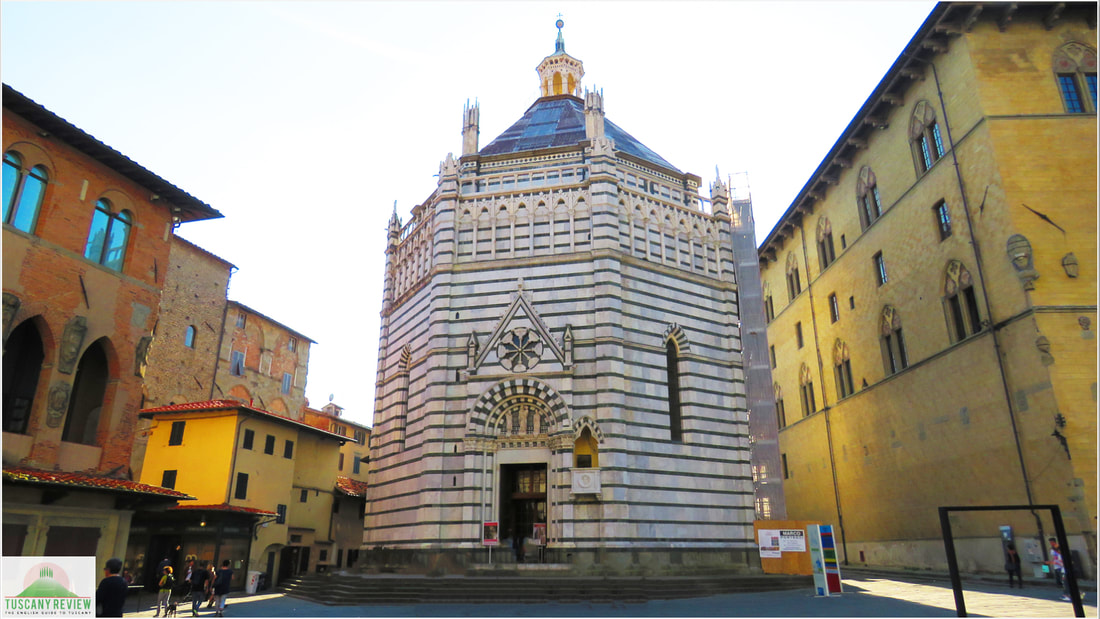
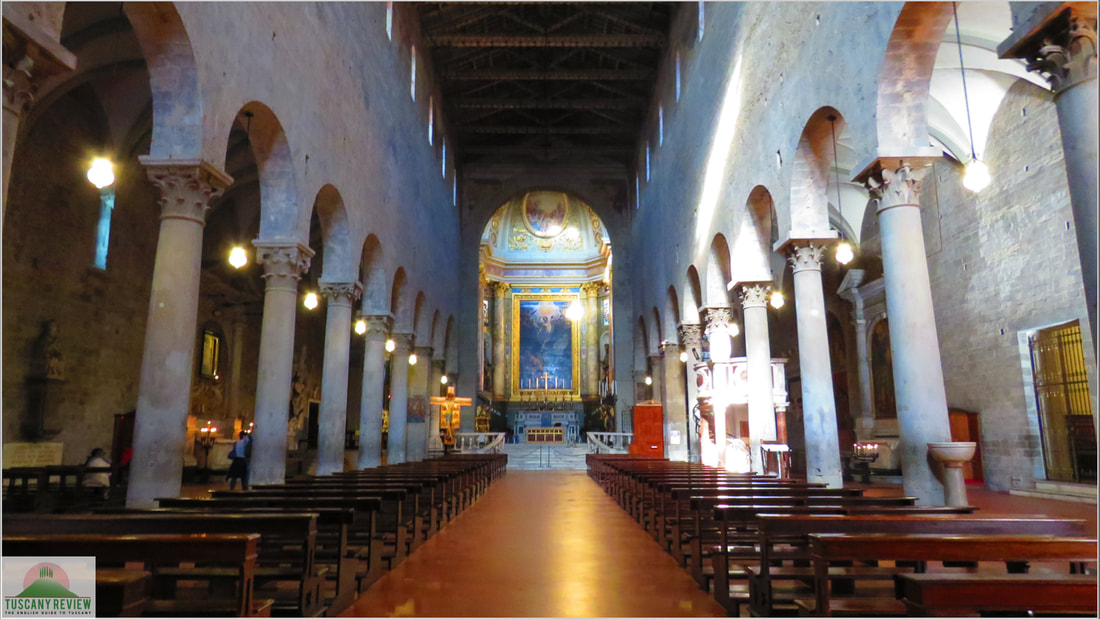
The main attraction on Piazza del Duomo is the Cathedral; the Pisan-Romanesque style Cattedrale di San Zeno dates back to the 10th century and houses numerous works of art. Among the highlights here is the Altarpiece of Saint James, housed in the Cappella di San Jacopo. Step outside the Cathedral and you're immediately faced with the 14th century Baptistery with its distinctive horizontal stripes of green and white marble.
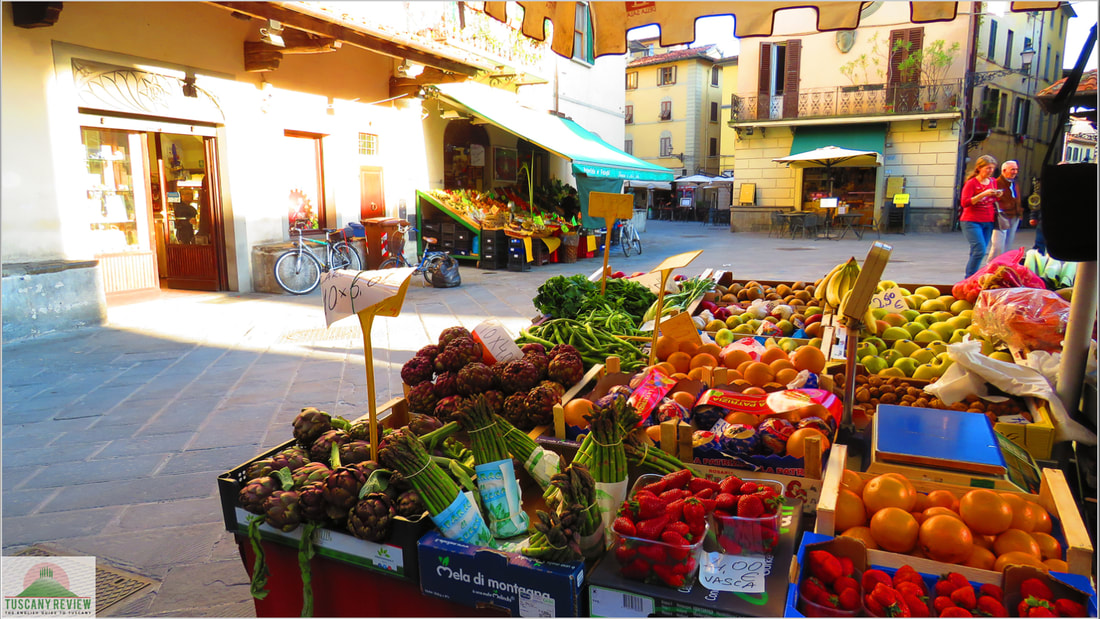
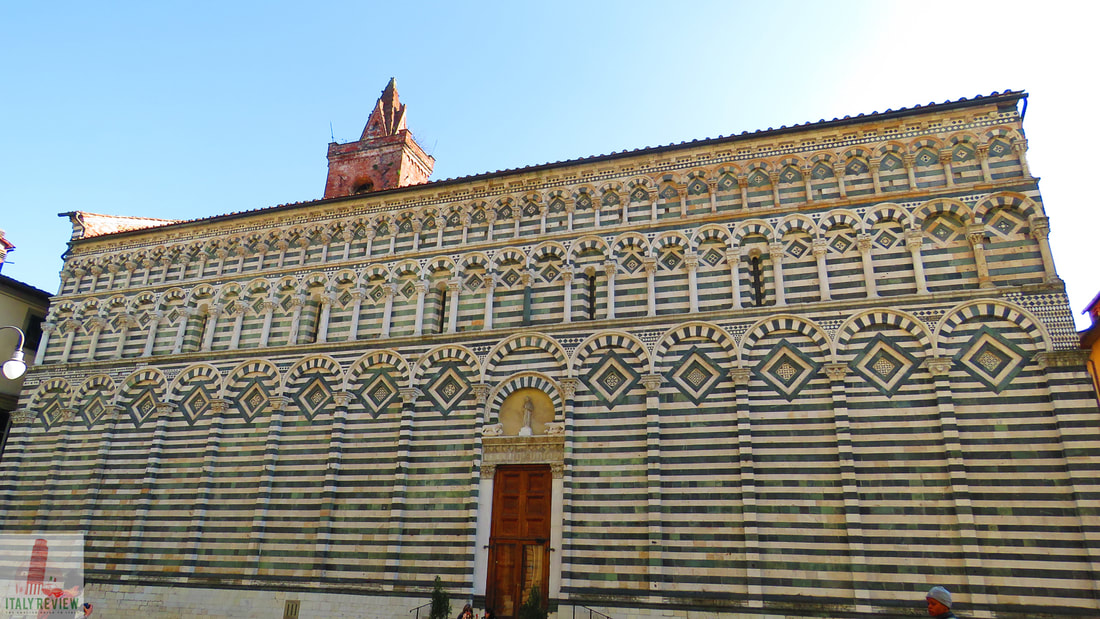
You can't fail to notice the tallest building on Piazza del Duomo which is the Cathedral's Bell Tower (campanile in Italian) which soars to a height of 67 metres. Climb the steps of the tower and you get the best possible view of Pistoia from the summit. While at the top of the Bell Tower you can look down on to some of the city's sights that aren't on Piazza del Duomo. Chief among those is the Chiesa di San Giovanni Fuoricivitas with its unusual side-facing facade, resplendent in the same green and white striped style of the Baptistery. You can also pick out the little square called Piazza della Sala where you'll find a marketplace and lots of places to try some local cuisine.
Things to Do
Things to Do in Pistoia
- Piazza del Duomo is the historic heart of Pistoia, surrounded by some of its most important civic and religious buildings. The square features a harmonious mix of Romanesque, Gothic and Renaissance styles, and regularly hosts local markets and events. It includes the town hall, bishop’s palace, and baptistery. The piazza remains largely unchanged since medieval times.
- Cattedrale di San Zeno dates back to the 12th century and features a distinctive Romanesque façade with polychrome arcades. Inside, visitors can see the silver altar of Saint James, a masterpiece of medieval metalwork. The cathedral’s bell tower offers panoramic views across the city. Its long history is reflected in the blend of architectural styles.
- Battistero di San Giovanni in Corte stands opposite the cathedral and is one of the finest examples of Gothic architecture in Tuscany. Built in the 14th century from white and green marble, it has an octagonal layout and a richly decorated portal. The interior is simple but atmospheric. The baptistery’s symmetry and materials echo the nearby cathedral.
- Ospedale del Ceppo is known for its ceramic frieze by the Della Robbia workshop, depicting scenes of the seven works of mercy. Founded in the 13th century as a hospital, the building now houses the Pistoia Medical Academy Museum. Guided tours take visitors through the underground tunnels used for drainage and water. The site illustrates the town’s historical commitment to public health.
- San Giovanni Fuorcivitas is a Romanesque church located just outside the original city walls, its name meaning ‘St John outside the city’. The façade is made of alternating bands of white and green marble and features sculptural details by Gruamonte. Inside, highlights include a marble pulpit by Fra Guglielmo and a glazed terracotta Madonna by Luca della Robbia. It remains an active place of worship.
Tours and Activities
Pistoia Tours and Activities
Where to Eat
Where to Eat in Pistoia
- Osteria del Capitano: Located in the historic centre of Pistoia, Osteria del Capitano offers a traditional dining experience focused on Tuscan and local Pistoiese cuisine. Known for its hearty pastas like pappardelle with wild boar ragu, and classic meat dishes, the restaurant combines rustic charm with delicious flavours. The warm atmosphere and excellent service make it a popular choice for both locals and visitors. Price Guide: €€ (Affordable)
- Ristorante La Locanda del Vino Chiaro: Situated just outside the city centre, Ristorante La Locanda del Vino Chiaro offers a refined menu with an emphasis on fresh, seasonal ingredients. The menu includes a variety of dishes, such as risotto with saffron, grilled meats, and seafood. The elegant interior and wine selection make it an ideal spot for a more sophisticated dining experience. Price Guide: €€€ (Mid-range)
- Trattoria Il Ceppo: A cosy, family-run trattoria located in the heart of Pistoia, Trattoria Il Ceppo offers traditional Tuscan dishes made with locally sourced ingredients. The menu features classics like ribollita (Tuscan vegetable soup), roast meats, and homemade pastas. The casual, homey atmosphere and friendly service make it a great spot for a relaxed and authentic meal. Price Guide: €€ (Affordable)
- Ristorante Il Fiasco: Known for its modern take on traditional Tuscan cuisine, Ristorante Il Fiasco offers creative dishes made with seasonal ingredients. The menu includes options like risotto with wild mushrooms, grilled meats, and fresh pasta. The contemporary decor, attentive service, and elegant atmosphere make it a great place for a refined dining experience. Price Guide: €€€ (Mid-range)
- Ristorante Toscana: For an upscale dining experience, Ristorante Toscana offers a sophisticated menu with an emphasis on high-quality local ingredients. The menu includes dishes such as risotto with truffle, roasted meats, and seafood. The elegant setting, exceptional service, and extensive wine list make it perfect for a special occasion or romantic dinner. Price Guide: €€€€ (High-end)
Photo Gallery
Pistoia Photo Gallery
Places Close to [Place Name]
Places Close to Pistoia
- Montecatini Terme (approx. 20 km west of Pistoia): Known for its historic thermal spas, Montecatini Terme is a renowned spa town offering a range of wellness treatments. The town features beautiful Art Nouveau architecture and relaxing parks, with the stunning Terme Tettuccio being one of its most famous landmarks. Visitors can enjoy the peaceful atmosphere, stroll along the elegant promenade, or take the funicular up to the hilltop village of Montecatini Alto for panoramic views.
- Prato (approx. 35 km east of Pistoia): A lively city known for its textile industry, Prato boasts a mix of medieval and Renaissance architecture. Key attractions include the Prato Cathedral and the Castello dell'Imperatore. The town’s historic centre is full of charming squares, cafes, and shops, offering a perfect setting for a leisurely walk. Prato is also home to several museums, including the Museo di Palazzo Pretorio, which showcases local art and history.
- Firenze (approx. 40 km southeast of Pistoia): Renowned worldwide for its art, architecture, and history, Florence is a cultural capital, offering a wealth of famous landmarks such as the Duomo, the Uffizi Gallery, and the Ponte Vecchio. The city is filled with beautiful churches, squares, and museums, making it an ideal destination for art lovers and those seeking to immerse themselves in Renaissance history. Florence's vibrant atmosphere and picturesque streets make it a must-visit for any traveller.
- Lucca (approx. 50 km west of Pistoia): A historic town surrounded by well-preserved Renaissance walls, Lucca is famous for its charming old town, narrow streets, and stunning churches, such as the Basilica di San Frediano and the Cathedral of San Martino. The town’s main square, Piazza dell'Anfiteatro, is built on the site of a Roman amphitheatre. Lucca is perfect for those wanting to explore a town with a relaxed pace, cycling around its walls or enjoying local Tuscan cuisine.
- Collodi (approx. 15 km west of Pistoia): A small, picturesque village famous for being the birthplace of Pinocchio, Collodi is home to the Parco di Pinocchio, a theme park dedicated to the beloved literary character. The town also boasts the beautiful Villa Garzoni and its stunning gardens, making it an ideal place to visit for families and anyone interested in Italian literature and folklore. Collodi offers a peaceful atmosphere with views of the Tuscan countryside.
Tuscany Top 10 - My Recommended Destinations in Tuscany
1. Florence
2. Siena
3. Val d'Orcia
4. Pisa
5. Lucca
6. San Gimignano
7. Giglio
8. Volterra
9. Pienza
10. Elba
👉 Explore the Top 10 Places to Visit in Tuscany
1. Florence
2. Siena
3. Val d'Orcia
4. Pisa
5. Lucca
6. San Gimignano
7. Giglio
8. Volterra
9. Pienza
10. Elba
👉 Explore the Top 10 Places to Visit in Tuscany
How to Get to [Place Name]
How to Get to Pistoia
Pistoia's train station is situated to the south of the city centre, a ten minute walk (1 km) from Piazza del Duomo. Trains run regularly from Pistoia to the centre of Florence (Santa Maria Novella) with a journey time of 38 minutes, stopping along the way in the neighbouring city of Prato (11 minutes). You can also travel in the opposite direction, west towards the coast, reaching the seaside town of Viareggio in an hour and 6 minutes, with one of the intervening stops at Lucca (46 minutes).
The most convenient airport for Pistoia is Florence Airport which is a 26 minute drive away (32 km), while Tuscany's other major airport, Pisa Airport, is a good alternative at 48 minutes by car (74 km).
|
Public transport: Central train station, local buses
By car: Prato - 28 mins (26 km), Lucca - 40 mins (45 km) |
Fly to: Florence Airport - 26 minutes by car (32 km)
By train: Prato - 11 minutes, Florence - 38 minutes |
Private Transfers
Pistoia Private Transfers
A private transfer offers a convenient way to travel to or from Pistoia, with direct pick-up from your hotel, apartment, or arrival point. It’s an ideal option if you're connecting with airports or towns not easily served by public transport, allowing for a smooth, door-to-door journey.
From Pistoia, the drive to Florence Airport takes about 30 minutes (approx. 35 kilometres), while Pisa Airport is around 50 minutes away (approx. 70 kilometres). Transfers to Lucca, Montecatini Terme, or Florence usually take between 30 and 45 minutes.
To check availability or request a personalised quote, simply fill out the short form below.
From Pistoia, the drive to Florence Airport takes about 30 minutes (approx. 35 kilometres), while Pisa Airport is around 50 minutes away (approx. 70 kilometres). Transfers to Lucca, Montecatini Terme, or Florence usually take between 30 and 45 minutes.
To check availability or request a personalised quote, simply fill out the short form below.