Tuscany
|
Latest page update: 23 June 2025
|
By: Dion Protani
|
Where to Stay
Where to Stay in Tuscany
Tuscany offers some of Italy’s most celebrated accommodation, combining grand city hotels with restored villas and countryside estates. In Florence, Hotel Savoy occupies a prime position on Piazza della Repubblica, blending contemporary Italian design with five-star service and easy access to the city’s major landmarks. Also in the city, Portrait Firenze overlooks the Arno River near Ponte Vecchio, offering elegant suites, refined interiors and highly personalised service. Another Florence favourite, Four Seasons Hotel Firenze, is set within a historic palace and surrounded by private gardens, combining Renaissance art with modern luxury.
In Siena, Grand Hotel Continental is a landmark property within the medieval walls, offering frescoed ceilings, antique furnishings and proximity to Piazza del Campo. In nearby Chianti, Castello di Spaltenna near Gaiole offers a countryside experience in a restored monastery, with vineyards, a Michelin-starred restaurant and panoramic terraces. Further south, Castel Monastero near Castelnuovo Berardenga combines rural seclusion with spa facilities and fine dining, set within a fortified village surrounded by rolling hills.
In the Val d’Orcia, Adler Spa Resort Thermae near Bagno Vignoni is one of Tuscany’s leading wellness hotels, known for its thermal pools, extensive spa and views of the countryside. Also in the area, Castello di Velona near Montalcino offers suites with access to thermal waters, a restaurant focusing on local wines and an elevated position overlooking vineyards.
On the coast, Hotel Il Pellicano in Porto Ercole is among Italy’s most famous seaside hotels, offering terraced gardens, a private bay and timeless glamour. Completing the selection, Belmond Castello di Casole near Casole d’Elsa provides a balance of rustic architecture and modern refinement, set amid 4,000 acres of countryside with views across the Tuscan hills.
In Siena, Grand Hotel Continental is a landmark property within the medieval walls, offering frescoed ceilings, antique furnishings and proximity to Piazza del Campo. In nearby Chianti, Castello di Spaltenna near Gaiole offers a countryside experience in a restored monastery, with vineyards, a Michelin-starred restaurant and panoramic terraces. Further south, Castel Monastero near Castelnuovo Berardenga combines rural seclusion with spa facilities and fine dining, set within a fortified village surrounded by rolling hills.
In the Val d’Orcia, Adler Spa Resort Thermae near Bagno Vignoni is one of Tuscany’s leading wellness hotels, known for its thermal pools, extensive spa and views of the countryside. Also in the area, Castello di Velona near Montalcino offers suites with access to thermal waters, a restaurant focusing on local wines and an elevated position overlooking vineyards.
On the coast, Hotel Il Pellicano in Porto Ercole is among Italy’s most famous seaside hotels, offering terraced gardens, a private bay and timeless glamour. Completing the selection, Belmond Castello di Casole near Casole d’Elsa provides a balance of rustic architecture and modern refinement, set amid 4,000 acres of countryside with views across the Tuscan hills.
Where is
Where is Tuscany?
|
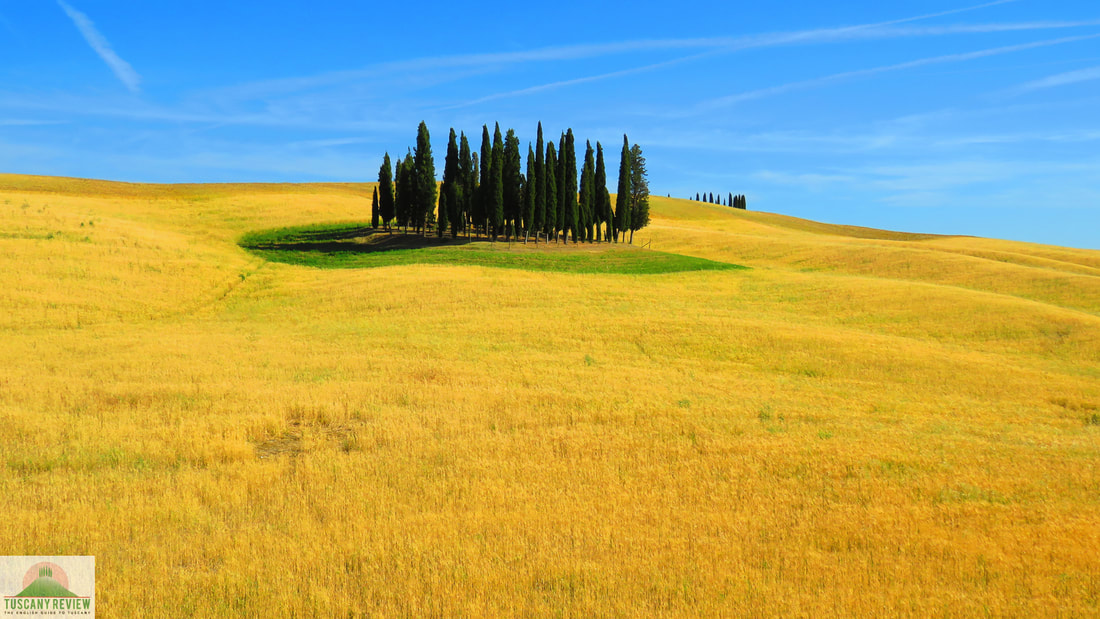
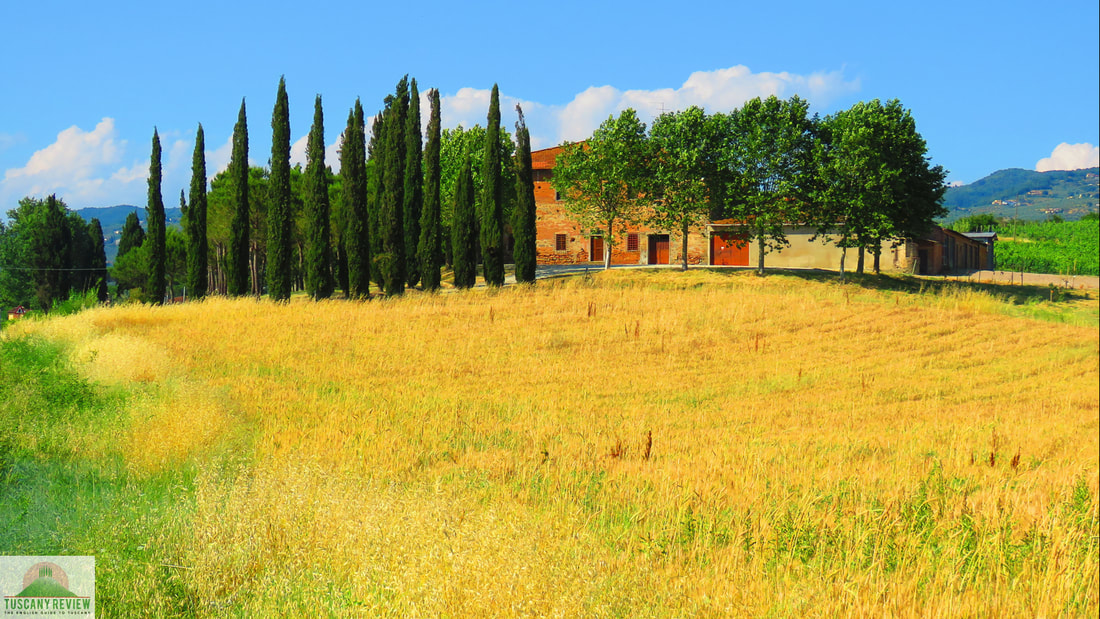
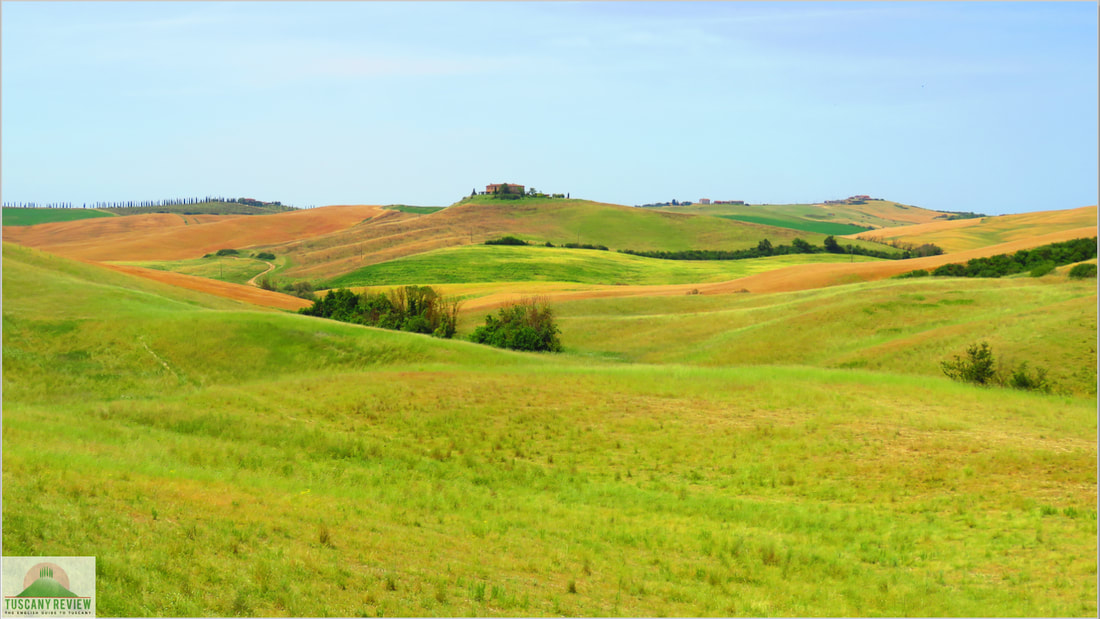
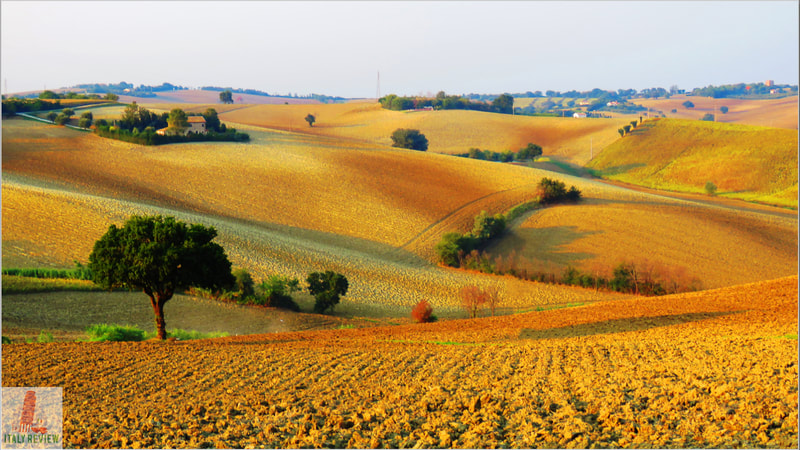
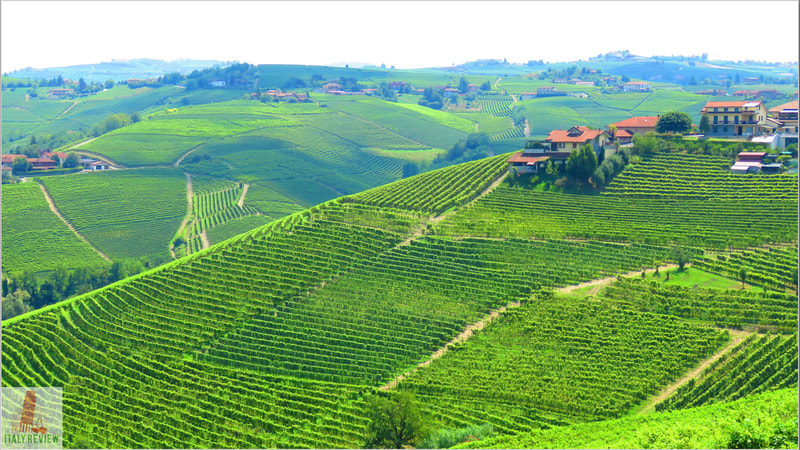
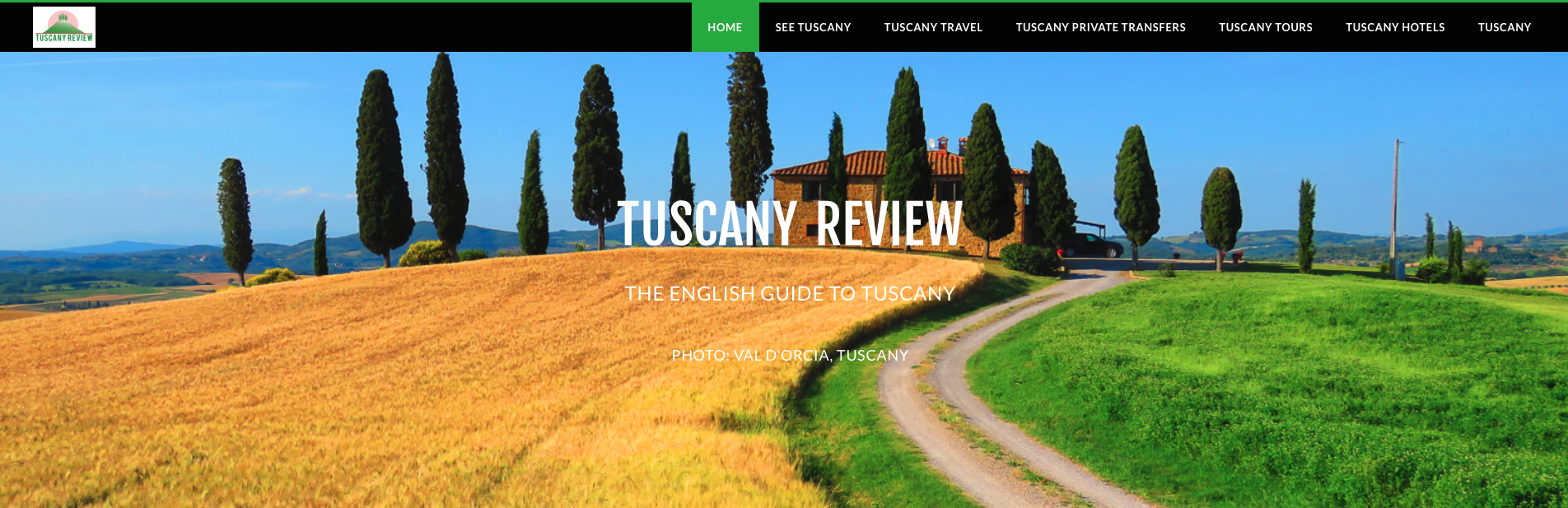
For many people, Tuscany represents the very essence of the Italy of their dreams. The iconic images of rolling hills topped with cypress trees come from Tuscany, as do those of so many of its medieval hill towns.
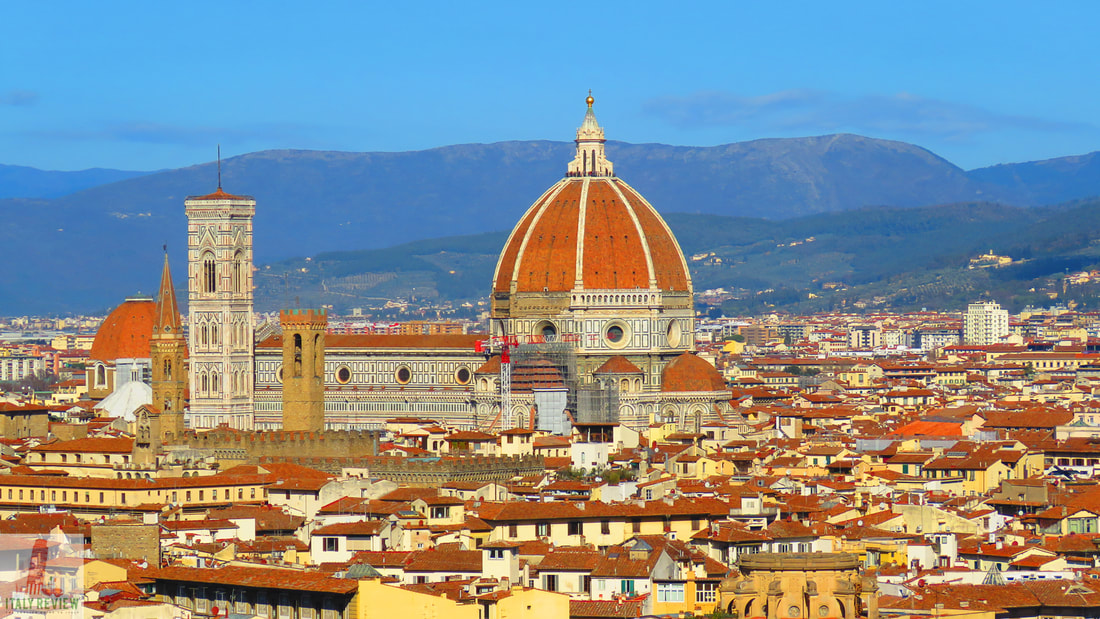
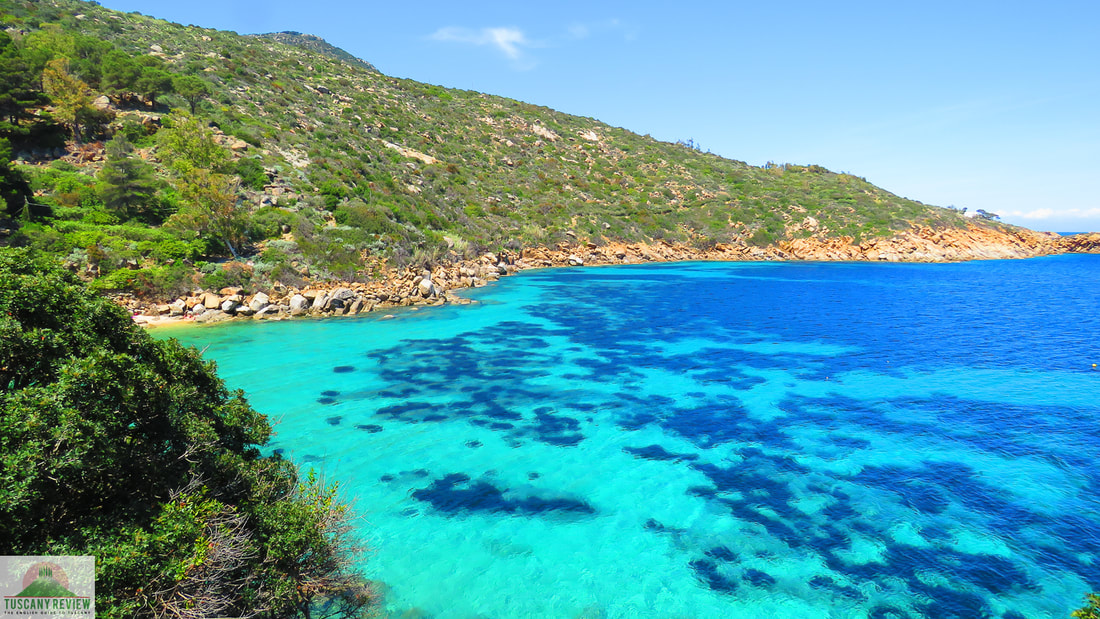
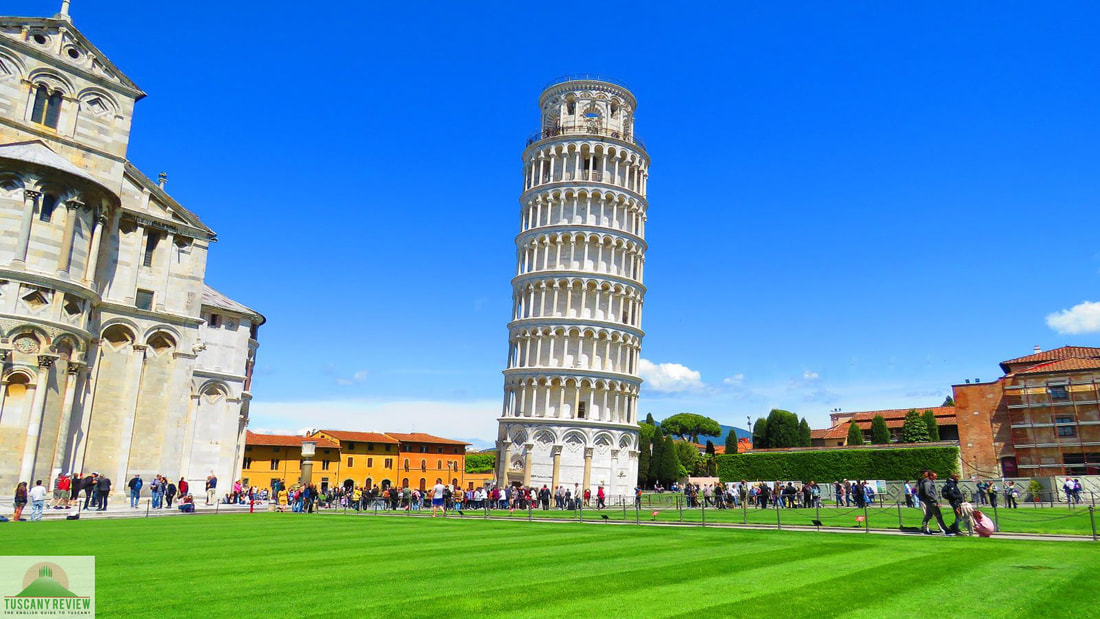
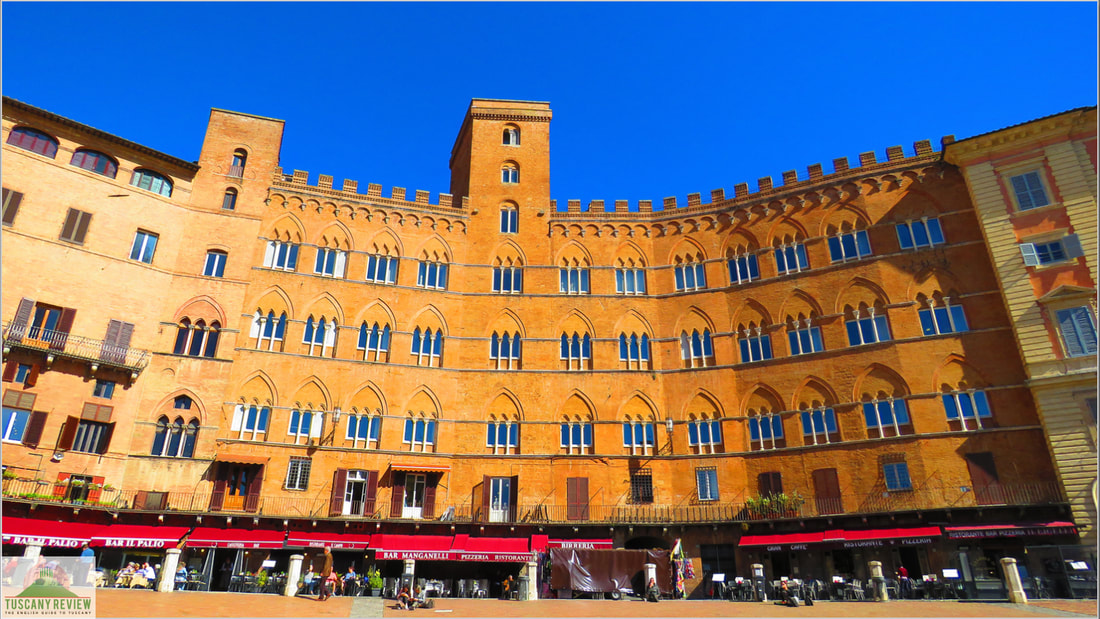
Its capital Florence is the Renaissance marvel that draws a multitude of visitors every day of the year, while Pisa's Leaning Tower has been confounding geometrists for years. Siena and its Palio is one of the world's most colourful and exciting events while islands such as Elba and Giglio are breathtakingly beautiful. |
Regione Toscana
What People Ask About Tuscany
Is Tuscany worth visiting?
Yes—Tuscany is one of Italy’s most iconic regions, famous for its Renaissance cities, hill towns, vineyards, and rolling countryside. It combines world-class art, historic architecture, and some of the best food and wine in the country.
What are the main attractions in Tuscany?
Highlights include Florence’s art and museums, Siena’s medieval centre, Pisa’s Leaning Tower, and the hill towns of San Gimignano, Montepulciano, and Pienza. The region is also known for the Chianti wine area and Val d’Orcia landscapes.
How do I get to Tuscany?
Tuscany is well connected by train, with high-speed and regional lines linking Florence, Pisa, Lucca, Siena, and Arezzo. Florence and Pisa have international airports, and the region is easily accessible by car via the A1 and SS roads.
What is Tuscany known for?
Tuscany is known for its Renaissance heritage, wine production, and countryside scenery. It’s famous for Florentine steak, medieval festivals, Romanesque churches, and as the birthplace of figures like Leonardo da Vinci and Michelangelo.
When is the best time to visit Tuscany?
The best times to visit are spring (April to June) and autumn (September to October), with pleasant temperatures and fewer crowds. Summer is good for festivals and sunflowers, while winter offers quieter towns and art museums with shorter queues.
Related links
Discover
Discover Tuscany
Tuscany's ancient Etruscan origins
The word Tuscany comes from its first civilised settlers: the Etruscans, who settled the region as far back as the 8th century BC in an area known as Etruria.
These days, the borders of the modern region of Tuscany are quite different; it occupies a position on Italy's west coast on the Ligurian Sea, just south of Liguria itself and north of Lazio, the region of which Rome is the capital. Tuscany's hinterland borders three further regions: Emilia Romagna to the north east, Umbria and Marche to the east.
Florence: the capital of Tuscany
As with each of Italy's twenty regions, (with the exception of Valle d'Aosta), Tuscany is divided up into a series of provinces which take the name of their most important city. The province of Florence was recently renamed the Metropolitan City of Florence but its geographical area remained largely unchanged.
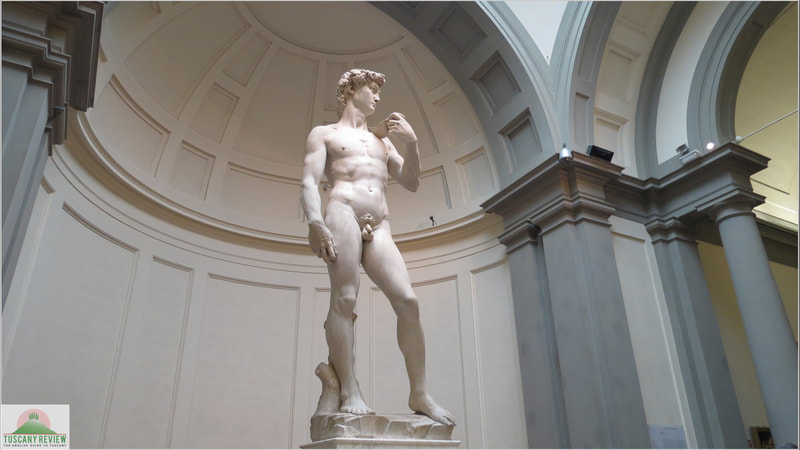
Florence the city needs little introduction; an open-air museum of renaissance design and town-planning of quite exquisite charm. Headline sights in Florence include the Cathedral with its distinctive dome designed by the architect Brunelleschi, the Ponte Vecchio bridge which traverses the River Arno and the Statue of David in the Galleria dell'Accademia.
World-famous historic cities: Pisa and Siena
Never far from tourist's plans is the city of Pisa, primarily because of its Torre Pendente (Leaning Tower), but visitors always come away equally-impressed by the magnificent Piazza dei Miracoli which it shares with the Cathedral and Baptistery, something for which it is recognised by UNESCO as a World Heritage Site.
Vying with Pisa and Florence for attention in Tuscany is the beautiful city of Siena. Its Piazza del Campo is one of the coolest squares in the world; shaped in the form of a shell, it slopes inwards and is overlooked by a glorious set of buildings including the imposing Torre del Mangia.
Provincial capitals: Lucca, Arezzo and beyond
In any other region, Lucca would be at the top of the list of cities and even in such good company as it gets in Tuscany, it's still one of the major attractions. Arezzo has bundles of history and a sloping square of its own (Piazza Grande), while the churches and towers on display in the cities of Prato and Pistoia rival the finest anywhere in the region.
Each of the cities mentioned so far is the capital of its own province; the remaining provincial capitals are Livorno, an important ferry port and Grosseto, the southernmost city in the region. The smaller cities of Massa and Carrara combine to make the final province, just below Liguria; Carrara famous for its production of marble.
The Tuscan hill towns
Tuscany's hill towns are a thing of legend; San Gimignano is listed by UNESCO and has been dubbed the Medieval Manhattan due to its proliferation of historic towers that might have one day been seen as skyscrapers of their time.
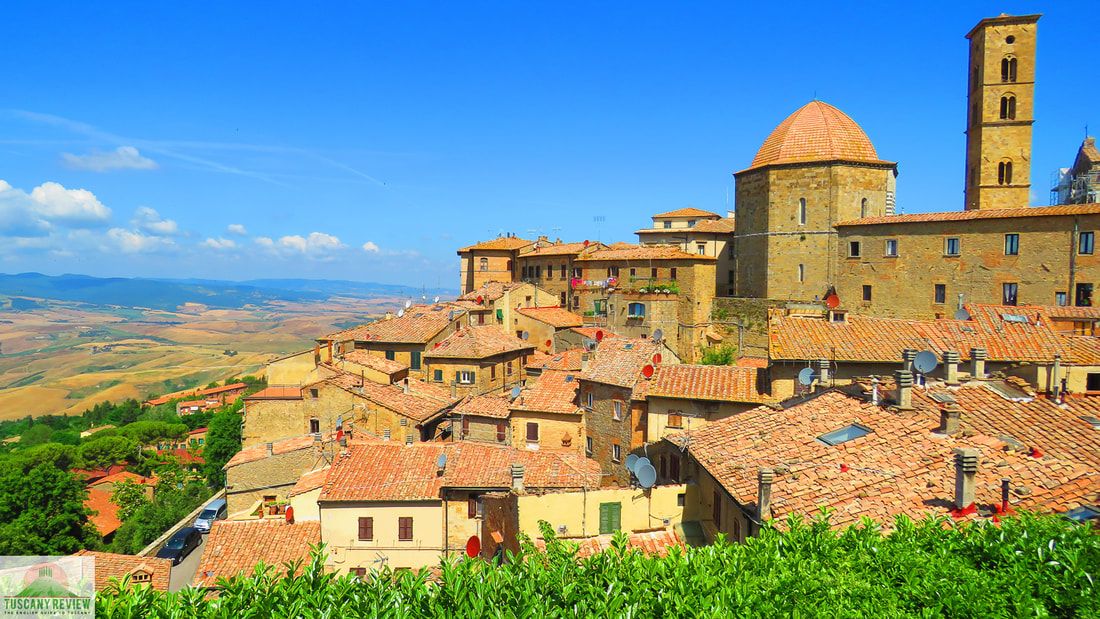
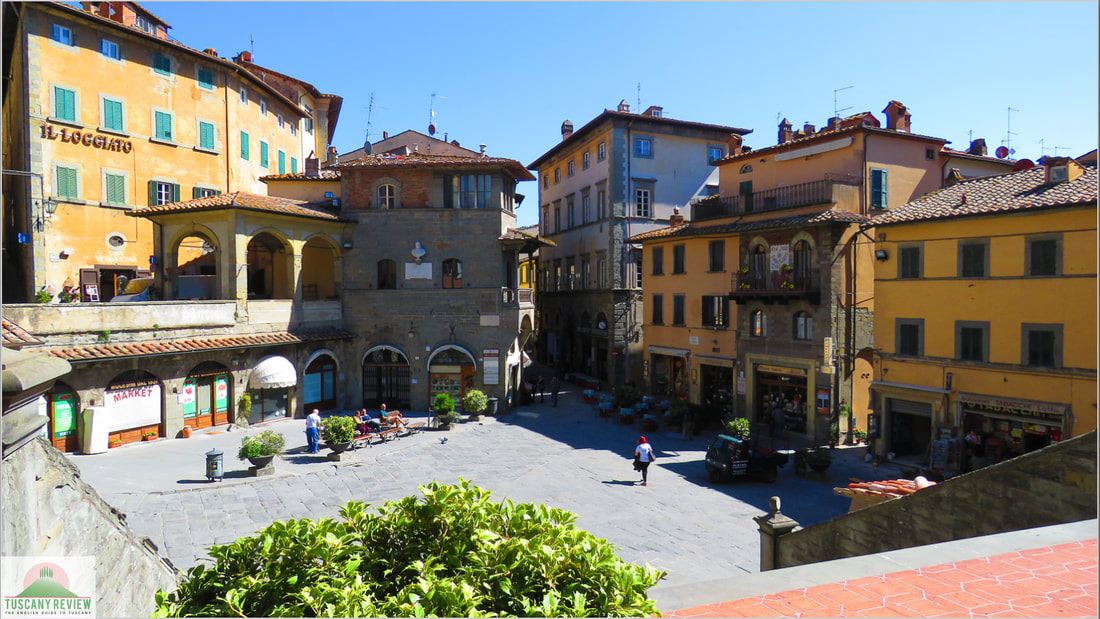
Volterra, Pienza and Montepulciano combine aesthetic beauty with historical fascination while the likes of Pitigliano and Cortona give you a feeling of stepping back in time.
Elba and the Tuscan Archipelago
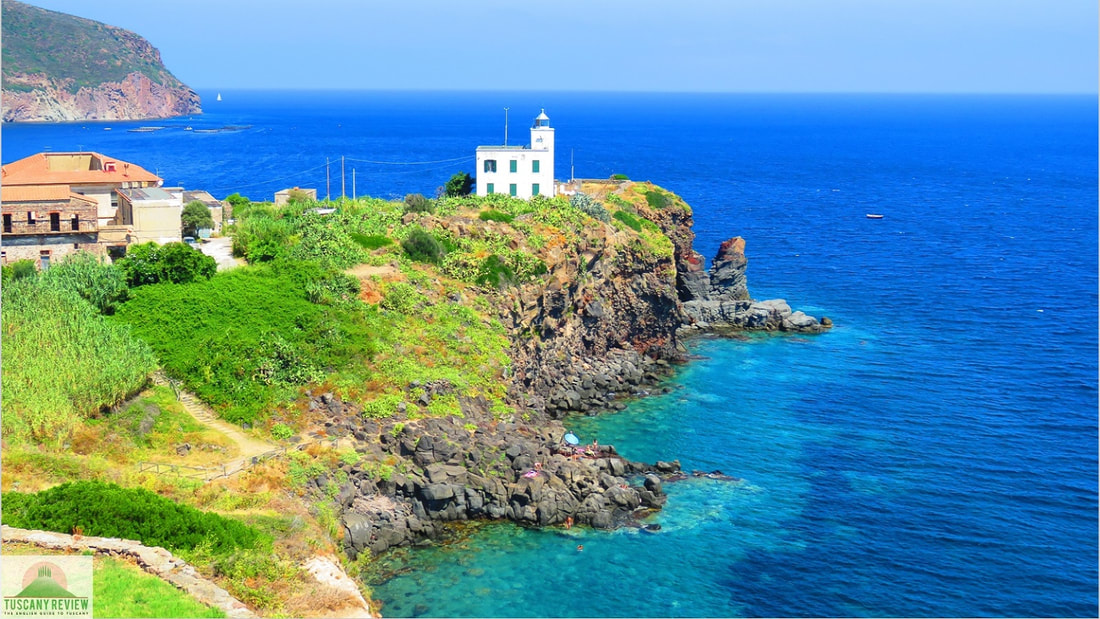
The southern section of Tuscany's coastline is dominated by the group of islands known as the Tuscan Archipelago. Most famous among the seven inhabited islands is Elba, once the home of Napoleon Bonaparte, but in modern times appreciated for its beaches and excellent accommodation options.
Of the remaining six islands, Giglio dazzles with its crystalline waters and bountiful countryside while Capraia stands somewhat aloof from the others, further away but worth every ounce of effort it takes to reach it. Giannutri is home to the beautiful Cala Spalmatoio beach while Pianosa confuses with its combination of prison, nature reserve and beach.
Montecristo and Gorgona are not widely available to visit although you can probably find a way to Gorgona's prison if you misbehave badly enough!
Of the remaining six islands, Giglio dazzles with its crystalline waters and bountiful countryside while Capraia stands somewhat aloof from the others, further away but worth every ounce of effort it takes to reach it. Giannutri is home to the beautiful Cala Spalmatoio beach while Pianosa confuses with its combination of prison, nature reserve and beach.
Montecristo and Gorgona are not widely available to visit although you can probably find a way to Gorgona's prison if you misbehave badly enough!
The Versilia coastal area
Occupying the northern stretch of Tuscany's coastline is an area known as Versilia. Some of Italy's most popular seaside resorts are situated here including Viareggio, Pietrasanta and Forte dei Marmi.
At the opposite end of Tuscany, the Maremma is another coastal region that numbers Castiglione della Pescaia and Porto Santo Stefano among its seaside towns, the latter of which is the departure port for ferries across to Giglio and Giannutri. Elba and Capraia meanwhile can be reached from ports further north: Piombino and Livorno.
The Val d'Orcia, Chianti and other valley regions to explore
The best place to see those archetypal images of Tuscany of cypress tress and rolling hills is the Val d'Orcia. Yet another UNESCO World Heritage Site, the Val d'Orcia is an area of unrivalled natural beauty, punctuated by the towns of Pienza and nearby San Quirico d'Orcia, both within the province of Siena.
Further Tuscan valley regions to explore include the Val di Cecina and Crete Senesi, while Tuscany's Chianti region can also boast a number of vineyard tows such as Radda in Chianti and Greve in Chianti. Wine enthusiasts will also find great pleasure in the merits of the vineyard town of Bolgheri, close to Marina di Cecina on the coast.
Travelling to and around Tuscany
Getting to Tuscany is as straightforward as you would wish it to be. The two international airports at Florence and Pisa cover the two most-visited cities but you can also fly into any of Rome's airports and head north if necessary.
Tuscany's major cities have good rail links with most train stations centrally-located while the buses will enable you to access some of the harder to reach locations if you don't have a car. Ferry links to Elba and the other islands of the Tuscan Archipelago are well-established and efficient.
Things to Do
Things to Do in Tuscany
- Florence and the Duomo Complex form the artistic centre of the region, home to Brunelleschi’s dome, Giotto’s bell tower, and the Baptistery of San Giovanni. Florence also includes the Uffizi Gallery, Michelangelo’s David in the Accademia, and a compact historic centre filled with Renaissance architecture and museums.
- Siena and Piazza del Campo offer a striking shell-shaped square where the Palio horse race takes place twice each summer. The Gothic cathedral features striped marble, sculpture, and frescoes, while the narrow streets lead to views over the Tuscan countryside and traces of the city’s medieval past.
- San Gimignano and the Medieval Towers create a distinctive skyline of stone towers that once symbolised family power. The town’s historic centre is a UNESCO World Heritage Site with cobbled streets, Romanesque churches, and local specialities such as saffron and Vernaccia wine.
- Val d’Orcia and the Hill Towns stretch through southern Tuscany with cypress-lined roads, rolling hills, and towns like Pienza, Montepulciano, and Montalcino. The area is known for its wines, pecorino cheese, and Renaissance town planning, with thermal baths at Bagno Vignoni and panoramic walks through the countryside.
- Pisa and the Leaning Tower form part of the Piazza dei Miracoli, along with the cathedral, baptistery, and monumental cemetery. The tower is open to visitors who climb its spiral staircase, while the surrounding square is one of the most visited architectural ensembles in Italy.
- Lucca and the Renaissance Walls preserve intact defensive walls now used as tree-lined cycling and walking paths. The historic centre includes the oval-shaped Piazza dell’Anfiteatro, the Cathedral of San Martino, and a network of quiet streets with towers, churches, and cafés.
- Elba Island and Napoleon’s Residence lie off the Tuscan coast, reached by ferry from Piombino. Elba offers beaches, hiking trails, and the former homes of Napoleon during his exile. The island also features hilltop villages, mining history, and clear waters for swimming and diving.
- Volterra and the Etruscan Gate showcase one of Tuscany’s oldest settlements, with archaeological remains from Etruscan and Roman times. The town also includes a medieval centre, alabaster workshops, and a fortress overlooking the surrounding hills and valleys.
- Cortona and the Val di Chiana Views sit on a hillside near the border with Umbria, known from the book Under the Tuscan Sun. The town includes a Romanesque-Gothic cathedral, the Diocesan Museum with works by Fra Angelico, and views across Lake Trasimeno and the plain below.
- Arezzo and the Piero della Francesca Frescoes blend Roman origins with medieval and Renaissance culture. The Basilica of San Francesco holds the Legend of the True Cross fresco cycle, while the town hosts antiques fairs and has Roman amphitheatre ruins and a sloping central square framed by historic buildings.
Tours and Activities
Tuscany Tours and Activities
What to Eat
What to Eat in Tuscany
- Ribollita – A thick soup made from stale bread, black cabbage (cavolo nero), cannellini beans, carrots, and other vegetables, simmered and reheated. The name means “reboiled,” as it’s traditionally cooked once and eaten again the next day for deeper flavour.
- Pappa al pomodoro – A tomato and bread soup flavoured with garlic, olive oil, and basil, cooked until thick and smooth. It’s a summer dish, made when tomatoes are ripe, and reflects the Tuscan tradition of using leftover bread rather than wasting it.
- Bistecca alla fiorentina – A large, bone-in T-bone steak from Chianina cattle, grilled rare over hot coals and seasoned only with salt and olive oil. Served thick-cut and often shared, it’s a centrepiece of Tuscan cuisine, particularly in Florence and the surrounding countryside.
- Crostini di fegatini – Toasted bread topped with chicken liver pâté, sometimes mixed with anchovies, capers, and white wine. Often served as an appetiser at family gatherings and festive meals, it is a staple of traditional Tuscan antipasti platters.
- Pici all’aglione – Thick, hand-rolled spaghetti served with a sauce of tomatoes and aglione (a mild, local garlic from the Val di Chiana). Found mostly in southern Tuscany, this dish is prized for its simple ingredients and strong, yet not overpowering, garlic flavour.
- Cacciucco – A rich fish stew from the Tuscan coast, especially Livorno, made with a variety of seafood, tomato, wine, and garlic. Traditionally served with toasted bread rubbed with garlic, it reflects the maritime roots of Tuscan port towns.
- Lampredotto – A Florentine street food made from the fourth stomach of the cow, slow-cooked in broth and served in a sandwich with green sauce. Once working-class fare, it’s now widely available from lampredottai (market stalls) and loved across generations.
- Fagioli all’uccelletto – Cannellini beans stewed in tomato sauce with sage, garlic, and olive oil, usually served alongside sausages or pork. This humble side dish appears on many Tuscan menus and represents the region’s strong bean-based culinary tradition.
- Castagnaccio – A dense chestnut flour cake made with raisins, pine nuts, rosemary, and olive oil, traditionally eaten in autumn. Popular in the hilly and mountainous areas, it reflects the use of chestnuts as a vital food source in rural Tuscan life.
- Cantucci e vin santo – Hard almond biscuits traditionally dipped in vin santo, a sweet Tuscan dessert wine, and eaten at the end of a meal. Originating in Prato, the biscotti are baked twice for crunch and are a signature finish to Tuscan dining.
Photo Gallery
Tuscany Photo Gallery
Tuscany Top 10 - My Recommended Destinations in Tuscany
1. Florence
2. Siena
3. Val d'Orcia
4. Pisa
5. Lucca
6. San Gimignano
7. Giglio
8. Volterra
9. Pienza
10. Elba
👉 Explore the Top 10 Places to Visit in Tuscany
1. Florence
2. Siena
3. Val d'Orcia
4. Pisa
5. Lucca
6. San Gimignano
7. Giglio
8. Volterra
9. Pienza
10. Elba
👉 Explore the Top 10 Places to Visit in Tuscany
How to Get to [Place Name]
How to Get to Tuscany
By Rail: Tuscany is served by an extensive rail network, with key hubs in Florence, Pisa, Livorno, Lucca, and Grosseto. Trenitalia operates high-speed services connecting Florence with Rome, Milan, Bologna, and Venice, while regional trains link smaller towns and coastal areas. Journey times are around 1 hour and 30 minutes from Florence to Rome and just over 1 hour to Bologna. Branch lines serve destinations such as Siena, Volterra, and Arezzo.
By Road: Tuscany is accessible via several major motorways, including the A1 (Milan–Rome), A11 (Florence–Viareggio), and the SS1 Aurelia along the coast. The drive from Rome to Florence takes about 3 hours, from Bologna around 1 hour and 30 minutes, and from Pisa to Siena roughly 1 hour and 45 minutes. Public parking is available in most towns and cities, often with park-and-ride systems for historic centres.
Nearest International Airports:
Ferry Connections:
By Road: Tuscany is accessible via several major motorways, including the A1 (Milan–Rome), A11 (Florence–Viareggio), and the SS1 Aurelia along the coast. The drive from Rome to Florence takes about 3 hours, from Bologna around 1 hour and 30 minutes, and from Pisa to Siena roughly 1 hour and 45 minutes. Public parking is available in most towns and cities, often with park-and-ride systems for historic centres.
Nearest International Airports:
- Florence Airport (Aeroporto di Firenze Peretola): Located about 6 kilometres from the city centre, it offers domestic flights and short-haul European routes.
- Pisa Airport (Aeroporto di Pisa Galileo Galilei): Situated around 1 kilometre from central Pisa, it is Tuscany’s main international airport with extensive connections across Europe.
- Bologna Airport (Aeroporto di Bologna Guglielmo Marconi): Approximately 100 kilometres north of Florence, the drive takes around 1 hour and 30 minutes.
Ferry Connections:
- Tuscany’s principal ferry port is Piombino, offering regular services to the Tuscan Archipelago, particularly Elba.
- Routes include ferries to Portoferraio, Cavo, and Rio Marina, operated by companies such as Toremar and Moby Lines. Crossings to Elba take between 30 and 60 minutes depending on the route.
- Seasonal services also connect Livorno with Sardinia and Corsica, with sailings to Olbia, Golfo Aranci, and Bastia.
- Ferry terminals in Piombino and Livorno are accessible by car or train, with Piombino Marittima station located near the port.
Private Transfers
Tuscany Private Transfers
A private transfer provides a comfortable and flexible way to travel throughout Tuscany, connecting its towns, countryside, and major cities with ease. You’ll be collected from your chosen location and taken directly to your destination by a professional driver, allowing you to relax and enjoy the journey without the need to navigate or coordinate public transport.
Private transfers in Tuscany can connect you with Florence Airport, Pisa International Airport, and Perugia Airport, as well as long-distance routes to Rome Fiumicino Airport and Bologna Guglielmo Marconi Airport. They are equally convenient for shorter journeys between towns such as Siena, Arezzo, Lucca, San Gimignano, and Montepulciano, or for travelling between rural areas and the region’s main rail hubs.
To request a quote or check availability for a private transfer, just fill out the short form below and we’ll get back to you with all the details.
Private transfers in Tuscany can connect you with Florence Airport, Pisa International Airport, and Perugia Airport, as well as long-distance routes to Rome Fiumicino Airport and Bologna Guglielmo Marconi Airport. They are equally convenient for shorter journeys between towns such as Siena, Arezzo, Lucca, San Gimignano, and Montepulciano, or for travelling between rural areas and the region’s main rail hubs.
To request a quote or check availability for a private transfer, just fill out the short form below and we’ll get back to you with all the details.
Tuscany by Category
Beach Resorts of Tuscany
Beaches of Tuscany
Cities of Tuscany
Ferry Ports of Tuscany
Hill Towns of Tuscany
Historic Towns of Tuscany
Landmarks of Tuscany
Natural Spas of Tuscany
Orange Flag Towns of Tuscany
Parks and Nature Reserves of Tuscany
Pretty Villages of Tuscany
Religious Sites of Tuscany
Scenic Towns of Tuscany
Seaside Towns of Tuscany
Ski Resorts of Tuscany
Things to see in Tuscany
Top 10 Places to Visit in Tuscany
Top 10 Small Towns in Tuscany
Tuscany's Borghi Piu Belli d'Italia
UNESCO World Heritage Sites of Tuscany
Valley and Coastal Regions of Tuscany
Vineyard Towns of Tuscany
Beaches of Tuscany
Cities of Tuscany
Ferry Ports of Tuscany
Hill Towns of Tuscany
Historic Towns of Tuscany
Landmarks of Tuscany
Natural Spas of Tuscany
Orange Flag Towns of Tuscany
Parks and Nature Reserves of Tuscany
Pretty Villages of Tuscany
Religious Sites of Tuscany
Scenic Towns of Tuscany
Seaside Towns of Tuscany
Ski Resorts of Tuscany
Things to see in Tuscany
Top 10 Places to Visit in Tuscany
Top 10 Small Towns in Tuscany
Tuscany's Borghi Piu Belli d'Italia
UNESCO World Heritage Sites of Tuscany
Valley and Coastal Regions of Tuscany
Vineyard Towns of Tuscany
Tuscany Destinations A-Z
Abbey of Monte Oliveto Maggiore
Abetone
Alpi Apuane Regional Park
Anghiari
Ansedonia
Arcidosso
Arezzo
Asciano
Bagni San Filippo
Bagni di Lucca
Bagno Vignoni
Baratti
Barberino Val d'Elsa
Barberino di Mugello
Barga
Biodola
Bolgheri
Borgo San Lorenzo
Borgo a Mozzano
Buonconvento
Cala del Leone
Cala delle Cannelle Beach
Calafuria Nature Reserve
Capalbio
Carmignano
Carrara
Casale Marittimo
Casciana Terme
Casentino
Casole d'Elsa
Castelfranco Piandiscò
Castelnuovo di Garfagnana
Castelnuovo di Val di Cecina
Castiglion Fiorentino
Castiglioncello
Castiglione d'Orcia
Castiglione della Pescaia
Castiglione di Garfagnana
Cavoli Beach
Certaldo
Certosa di Pontignano
Cetona
Chianciano Terme
Chianti
Chiusi
Colle di Val d'Elsa
Collodi
Coreglia Antelminelli
Cortona
Crete Senesi
Cutigliano
Fiesole
Florence
Follonica
Forte dei Marmi
Fosdinovo
Garfagnana
Giglio Castello
Greve in Chianti
Grosseto
Impruneta
Lacona
Lajatico
Lake Bilancino
Lake Santa Luce
Lari
Le Rocchette
Lido di Camaiore
Livorno
Loro Ciuffenna
Lucca
Lucignano
Mammiano
Maremma
Marina di Bibbona
Marina di Carrara
Marina di Cecina
Marina di Massa
Marina di Pietrasanta
Marina di Pisa
Massa Marittima
Massa
Montalcino
Monte Argentario
Montecatini Terme
Montefollonico
Montemassi
Montemerano
Montepulciano
Monterchi
Monteriggioni
Montescudaio
Monti dell'Uccellina
Mugello
Murlo
Orbetello
Ortignano Raggiolo
Panzano in Chianti
Peccioli
Pienza
Pietrasanta
Piombino
Pistoia
Pitigliano
Pomarance
Pontremoli
Ponzanello
Poppi
Porto Ercole
Porto Santo Stefano
Prata
Prato
Punta Ala
Quercianella
Radda in Chianti
Radicofani
Reggello
Roccatederighi
Rosignano Marittimo
San Casciano dei Bagni
San Gimignano
San Miniato
San Quirico d'Orcia
San Vincenzo
San Vivaldo
Sansepolcro
Sansone Beach
Santa Fiora Amiata
Sarteano
Saturnia
Scarperia
Siena
Sorano
Sovana
Spiagge Bianche
Suvereto
Talamone
Tirrenia
Trequanda
Val d'Elsa
Val d'Orcia
Val di Cecina
Valdichiana
Vallombrosa Abbey
Versilia
Viareggio
Vicchio
Villa Medicea La Ferdinanda
Villa di Poggio a Caiano
Vinci
Volterra
Abetone
Alpi Apuane Regional Park
Anghiari
Ansedonia
Arcidosso
Arezzo
Asciano
Bagni San Filippo
Bagni di Lucca
Bagno Vignoni
Baratti
Barberino Val d'Elsa
Barberino di Mugello
Barga
Biodola
Bolgheri
Borgo San Lorenzo
Borgo a Mozzano
Buonconvento
Cala del Leone
Cala delle Cannelle Beach
Calafuria Nature Reserve
Capalbio
Carmignano
Carrara
Casale Marittimo
Casciana Terme
Casentino
Casole d'Elsa
Castelfranco Piandiscò
Castelnuovo di Garfagnana
Castelnuovo di Val di Cecina
Castiglion Fiorentino
Castiglioncello
Castiglione d'Orcia
Castiglione della Pescaia
Castiglione di Garfagnana
Cavoli Beach
Certaldo
Certosa di Pontignano
Cetona
Chianciano Terme
Chianti
Chiusi
Colle di Val d'Elsa
Collodi
Coreglia Antelminelli
Cortona
Crete Senesi
Cutigliano
Fiesole
Florence
Follonica
Forte dei Marmi
Fosdinovo
Garfagnana
Giglio Castello
Greve in Chianti
Grosseto
Impruneta
Lacona
Lajatico
Lake Bilancino
Lake Santa Luce
Lari
Le Rocchette
Lido di Camaiore
Livorno
Loro Ciuffenna
Lucca
Lucignano
Mammiano
Maremma
Marina di Bibbona
Marina di Carrara
Marina di Cecina
Marina di Massa
Marina di Pietrasanta
Marina di Pisa
Massa Marittima
Massa
Montalcino
Monte Argentario
Montecatini Terme
Montefollonico
Montemassi
Montemerano
Montepulciano
Monterchi
Monteriggioni
Montescudaio
Monti dell'Uccellina
Mugello
Murlo
Orbetello
Ortignano Raggiolo
Panzano in Chianti
Peccioli
Pienza
Pietrasanta
Piombino
Pistoia
Pitigliano
Pomarance
Pontremoli
Ponzanello
Poppi
Porto Ercole
Porto Santo Stefano
Prata
Prato
Punta Ala
Quercianella
Radda in Chianti
Radicofani
Reggello
Roccatederighi
Rosignano Marittimo
San Casciano dei Bagni
San Gimignano
San Miniato
San Quirico d'Orcia
San Vincenzo
San Vivaldo
Sansepolcro
Sansone Beach
Santa Fiora Amiata
Sarteano
Saturnia
Scarperia
Siena
Sorano
Sovana
Spiagge Bianche
Suvereto
Talamone
Tirrenia
Trequanda
Val d'Elsa
Val d'Orcia
Val di Cecina
Valdichiana
Vallombrosa Abbey
Versilia
Viareggio
Vicchio
Villa Medicea La Ferdinanda
Villa di Poggio a Caiano
Vinci
Volterra