Basilicata
|
Latest page update: 23 August 2025
|
By: Dion Protani
|
Where to Stay
Where to Stay in Basilicata
Basilicata offers a distinctive mix of accommodation, with many of the region’s best-rated hotels located in historic centres carved from stone or overlooking dramatic landscapes. Sextantio Le Grotte della Civita in Matera is among the most unique, with suites created within ancient cave dwellings that retain their character while providing modern comfort. Also in Matera, Palazzo Gattini Luxury Hotel occupies a noble residence on Piazza Duomo, featuring a spa, fine dining and terraces with sweeping views of the Sassi. Another celebrated choice is Aquatio Cave Luxury Hotel & Spa, which blends contemporary design with the cave structures of Matera, offering a stylish spa and well-regarded restaurant.
Elsewhere in the region, Hotel Sant’Angelo is set within the Sassi district, with individually styled rooms connected by narrow alleyways and courtyards that reflect the historic setting. Locanda di San Martino provides a similar experience, with cave-style rooms, thermal baths and a central location ideal for exploring Matera on foot. Moving away from Matera, Hotel Del Campo offers a more traditional format on the edge of the city, combining a historic building with modern facilities and easy access by car.
On the coast, Marinagri Hotel & Spa in Policoro is a popular choice, situated on a private island within a lagoon setting and offering water views, pools and direct beach access. In the mountains, La Locanda delle Donne Monache in Maratea is a boutique hotel housed in a former convent, characterised by its rooftop pool and hillside position with views towards the Tyrrhenian Sea.
For visitors looking for countryside tranquillity, Albergo La Primula near Potenza is a long-established property set in gardens with a pool and traditional restaurant, well suited for touring the central part of the region. Completing the selection, Hotel Martino in Maratea combines a cliffside location with access to the coast, offering a family-run atmosphere alongside consistent guest feedback for comfort and value.
Elsewhere in the region, Hotel Sant’Angelo is set within the Sassi district, with individually styled rooms connected by narrow alleyways and courtyards that reflect the historic setting. Locanda di San Martino provides a similar experience, with cave-style rooms, thermal baths and a central location ideal for exploring Matera on foot. Moving away from Matera, Hotel Del Campo offers a more traditional format on the edge of the city, combining a historic building with modern facilities and easy access by car.
On the coast, Marinagri Hotel & Spa in Policoro is a popular choice, situated on a private island within a lagoon setting and offering water views, pools and direct beach access. In the mountains, La Locanda delle Donne Monache in Maratea is a boutique hotel housed in a former convent, characterised by its rooftop pool and hillside position with views towards the Tyrrhenian Sea.
For visitors looking for countryside tranquillity, Albergo La Primula near Potenza is a long-established property set in gardens with a pool and traditional restaurant, well suited for touring the central part of the region. Completing the selection, Hotel Martino in Maratea combines a cliffside location with access to the coast, offering a family-run atmosphere alongside consistent guest feedback for comfort and value.
Where is
Where is Basilicata?
|
Occupying an area of land that could be described as the instep of Italy's boot, Basilicata lies firmly off the typical beaten path of tourism and this is perhaps its greatest charm.
The region has two stretches of coastline: one on the western Tyrrhenian Sea and another on the Ionian Sea to the east. The two coastlines aren't connected, but separated by the regional border with Calabria, most of which is covered by the Pollino National Park. This fact is perhaps best celebrated in the 2010 Italian film Basilicata Coast to Coast. |
Regione Basilicata
What People Ask About Basilicata
Is Basilicata worth visiting?
Yes, Basilicata is worth visiting for its unique landscapes, hill towns, and historical sites. The region is home to Matera, famous for its ancient cave dwellings, and offers quiet beaches on both the Tyrrhenian and Ionian coasts.
What are the main attractions in Basilicata?
Main attractions include the Sassi of Matera, the Pollino National Park, and the coastal town of Maratea. Other highlights are the Dolomiti Lucane, the medieval village of Castelmezzano, and the archaeological site of Metaponto on the Ionian coast.
How do I get to Basilicata?
Basilicata is accessible by train from neighbouring regions, with major stations in Potenza and Matera. The nearest airports are Bari and Naples, with road access via the A2 and SS407. Buses also connect the region to Puglia and Campania.
What is Basilicata known for?
Basilicata is known for the Sassi cave dwellings in Matera, one of Italy’s oldest continuously inhabited cities. It’s also known for its mountainous terrain, remote villages, traditional cuisine, and two coastlines on separate seas.
When is the best time to visit Basilicata?
The best time to visit Basilicata is from April to June and September to October, when the weather is mild and suitable for walking and sightseeing. July and August are popular for beach visits but can be hot inland.
Related links
Discover
Discover Basilicata
Ancient origins
A quirky comedy, the film offers a gentle introduction to the region and is worth watching before you plan a visit. The storyline sees the protagonists walk from the town of Maratea on the Tyrrhenian Coast to Scanzano Ionico on the Ionian, making friends and getting into scapes along the way.
The official name of the region is derived from the word basileus which is a Greek word meaning a ruler such as a king or an emperor. The Greek influence is very strong in Basilicata as it once made up the ancient area known as Magna Graecia which also included the neighbouring regions of Puglia, Campania and Calabria, as well as Sicily.
To many people, Basilicata is known as Lucania, this is the region's ancient name which derived from a tribe called the Lucani who were among the first to settle here before the Romans. You'll see the term used in various place names such as Muro Lucano or Satriano di Lucania to give just two examples.
Primo Levi's 1945 work Christ Stopped at Eboli has given rise to certain stereotypes about Basilicata. The town of Eboli sits on the border with Campania with the title suggesting that beyond Eboli there was nothing but a barren, godless land. Whether that was true at the time of political upheaval and the author's incarceration is a matter of debate but nothing could be further from the truth in modern times.
The official name of the region is derived from the word basileus which is a Greek word meaning a ruler such as a king or an emperor. The Greek influence is very strong in Basilicata as it once made up the ancient area known as Magna Graecia which also included the neighbouring regions of Puglia, Campania and Calabria, as well as Sicily.
To many people, Basilicata is known as Lucania, this is the region's ancient name which derived from a tribe called the Lucani who were among the first to settle here before the Romans. You'll see the term used in various place names such as Muro Lucano or Satriano di Lucania to give just two examples.
Primo Levi's 1945 work Christ Stopped at Eboli has given rise to certain stereotypes about Basilicata. The town of Eboli sits on the border with Campania with the title suggesting that beyond Eboli there was nothing but a barren, godless land. Whether that was true at the time of political upheaval and the author's incarceration is a matter of debate but nothing could be further from the truth in modern times.
The jewel in Basilicata's crown: Matera
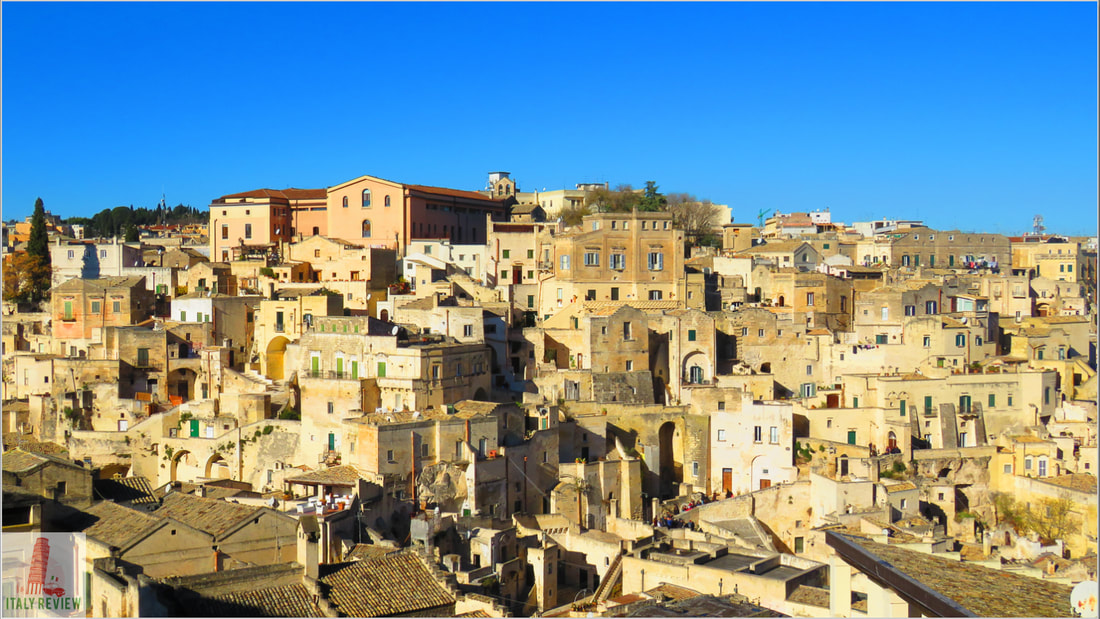
Using the word modern is perhaps the wrong place to start with Basilicata though, as the main places of interest's attractions lie in their ancient roots. The region's number one visitor attraction is the town of Matera which is also the capital of the eponymous province.
The third oldest continuously populated city in the world is quite an accolade and much has happened in Matera since its foundation in the year 251 BC. The haunting, mysterious landscape of Matera is underscored by its Sassi and Rupestrian Churches which prompted UNESCO to include it in their list of World Heritage Sites in 1993. The city shot to fame years later as it was used as a backdrop for the 1994 Mel Gibson film The Passion of the Christ and was named European City of Culture in 2019.
The two provinces of Basilicata
There are two provinces in Basilicata: Matera Province to the south which comprises the Ionian coastline and Potenza Province in the north which includes the Tyrrhenian coast and the regional capital of Potenza.
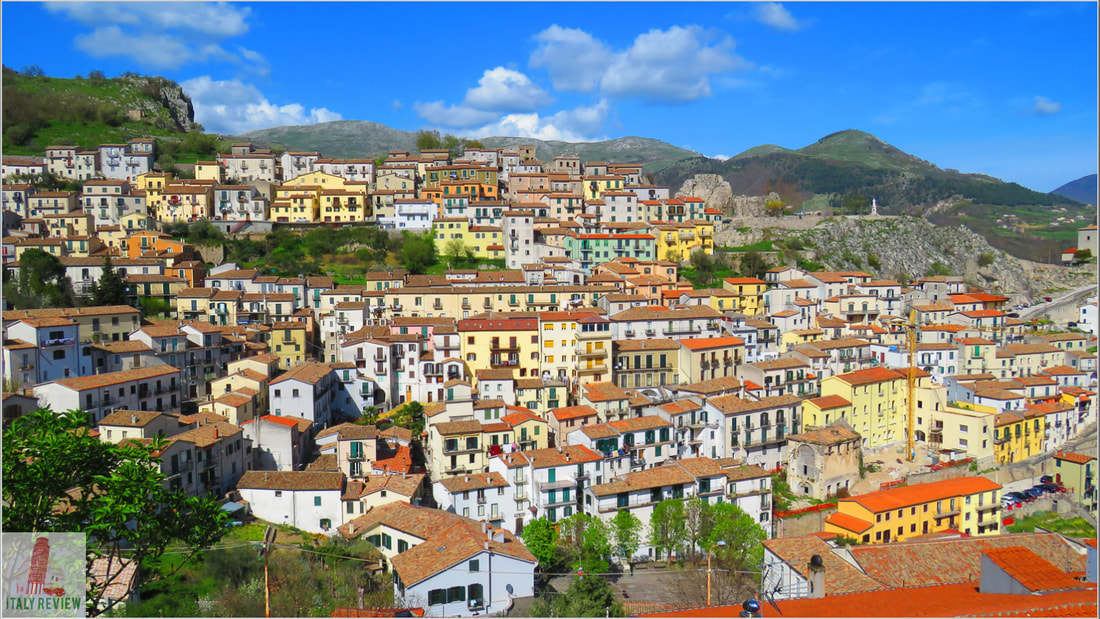
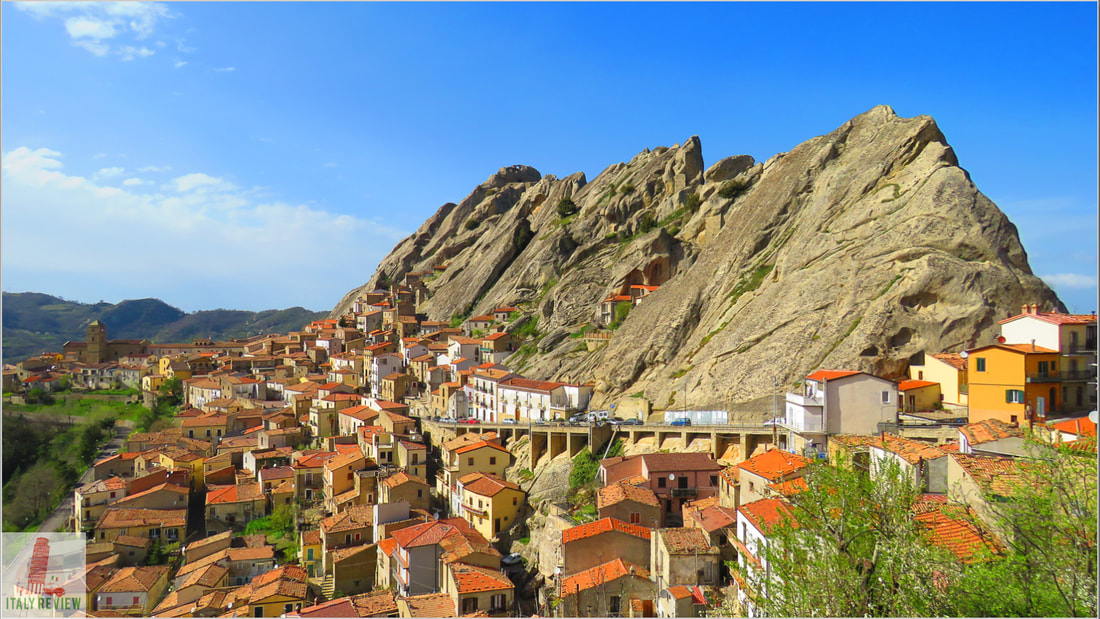
The hills and valleys around Potenza conceal a number of fascinating towns such as the medieval Melfi and Venosa, while the region as a whole is peppered with ancient hill towns. Among the most interesting are the likes of Muro Lucano, Rivello and San Fele while the remote villages of Pietrapertosa and Castelmezzano seem to almost defy gravity with their precarious-looking positions.
Craco: the ghost town
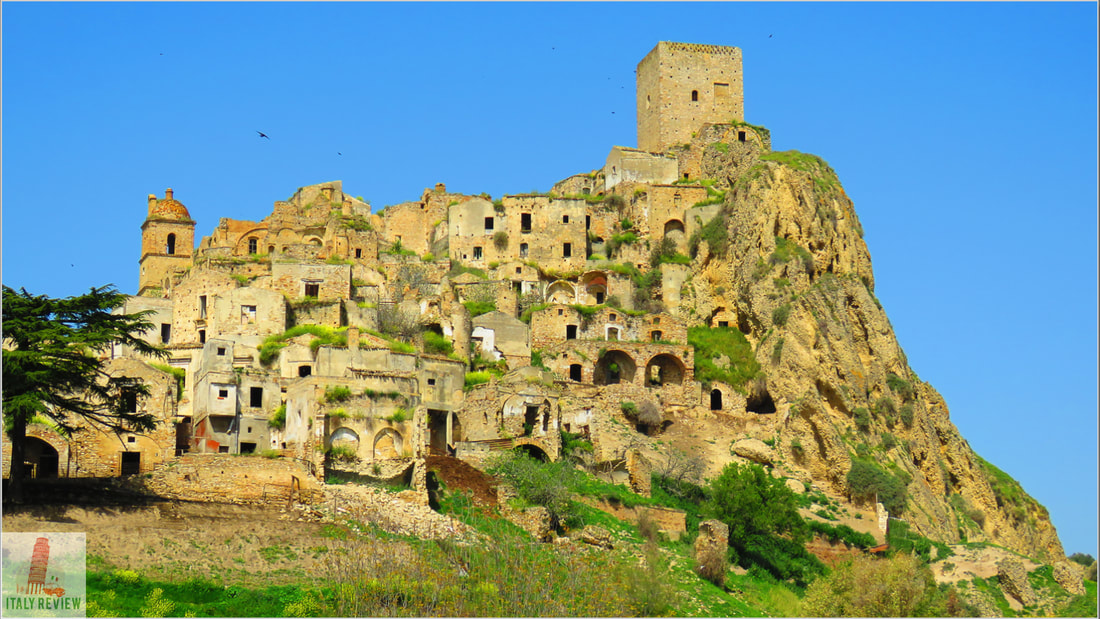
The sparsely-populated hill towns are one thing but the completely deserted ghost town of Craco is quite another. The town was completely abandoned after an earthquake in 1980 but is now safe to visit and you can take guided tours around the empty town.
One of the most unique settings in Italy, it has itself been used for a number of film backdrops from the screen version of the aforementioned Christ Stopped at Eboli, to the 2008 James Bond film Quantum of Solace.
The seaside joys of Maratea
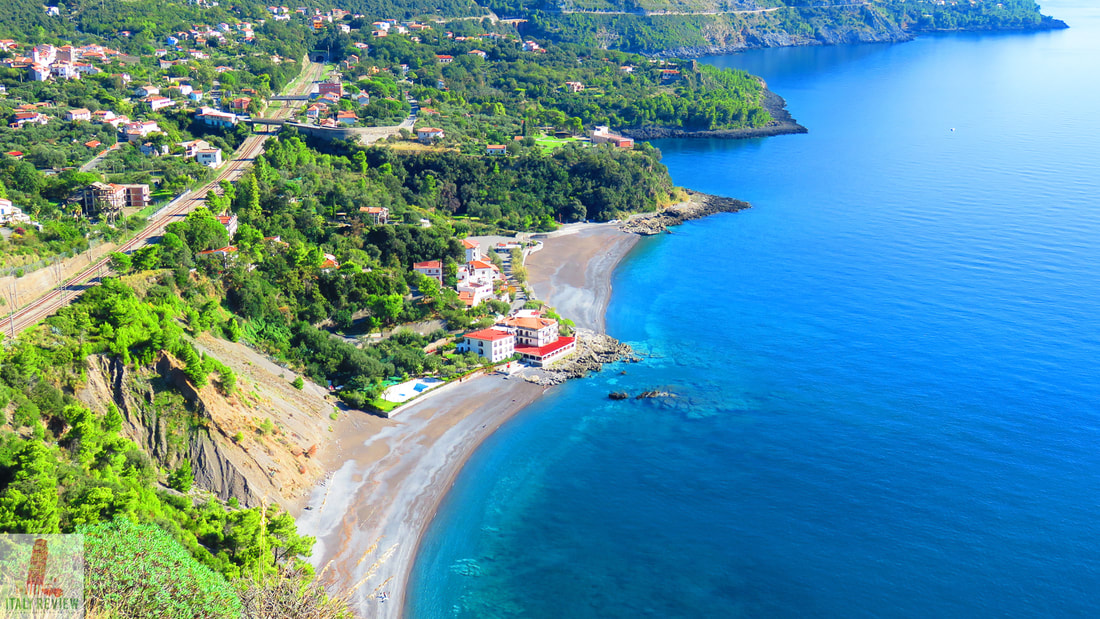
Basilicata's best seaside town is Maratea which sits on the Tyrrhenian Coast, just north of Calabria and a little way south of the beautiful Cilento National Park in Campania.
Maratea comprises not only a seaside beach resort but also a charming hill town and one of the most iconic sights in the region: the Statue of Christ the Redeemer situated on a vertiginous hill-top perch. A series of beach resorts are popular during the summer months on the Ionian Coast and include among others Lido di Policoro and Marina di Pisticci.
Archaeological sites, quirky mural towns and national parks
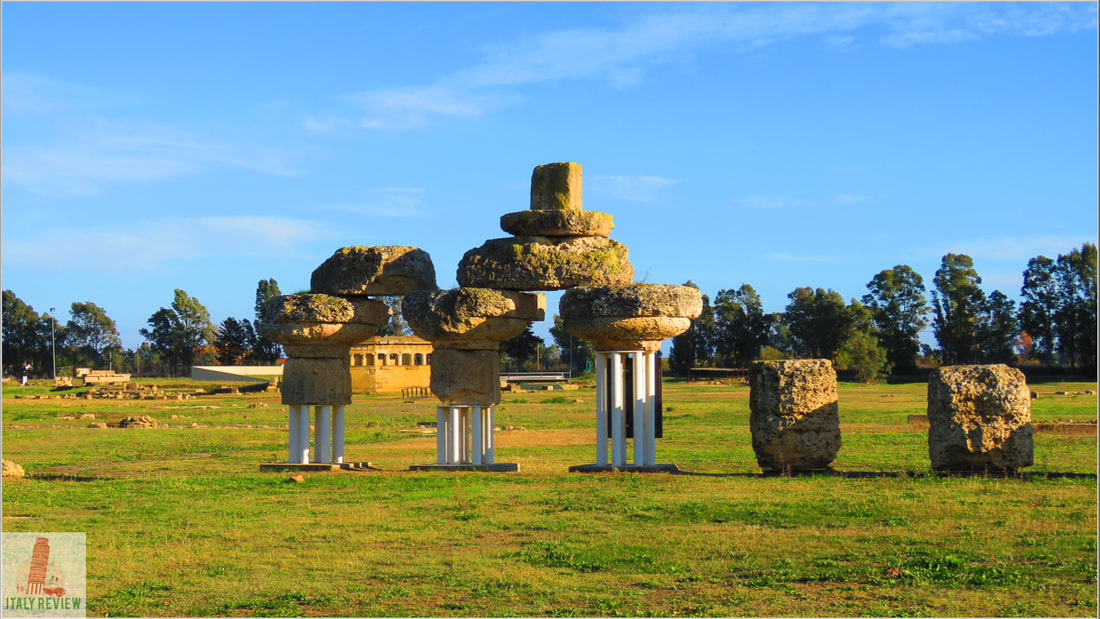
History buffs can explore Basilicata's Magna Graecia period at archaeological sites such as Metaponto which is situated on the Ionian Coast and also comprises a museum and the Tavole Palatine just a short distance away.
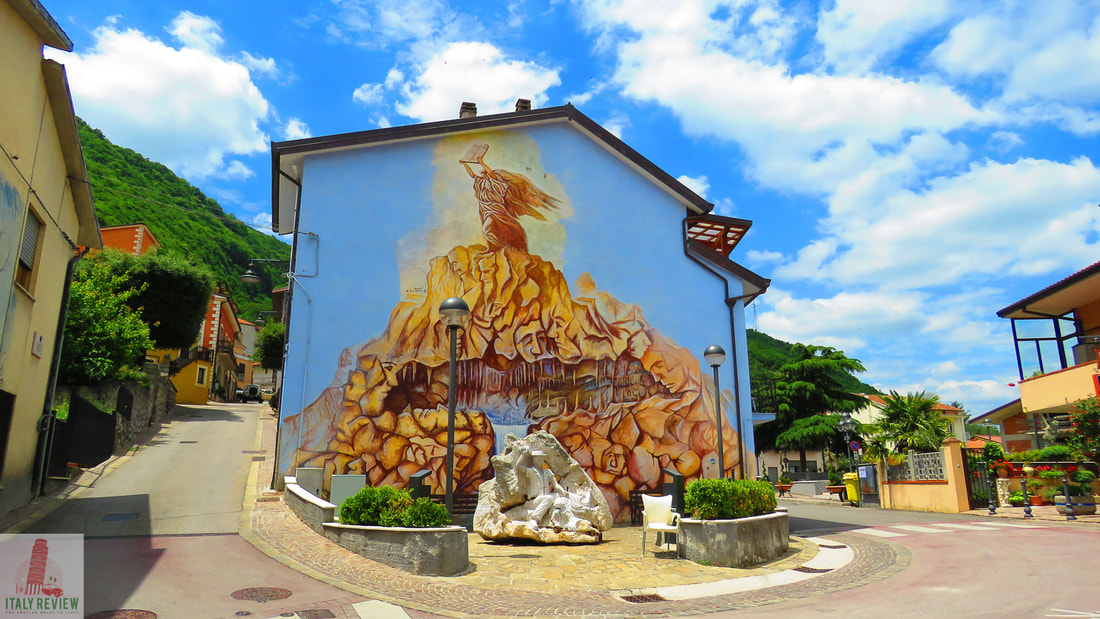
Away from the history of Basilicata, two towns offer a taste of modern-day culture. Satriano di Lucania and Sant'Angelo Le Fratte are separated by just 10 kilometres and offer a choice of "Mural Towns", one seemingly outdoing the other. Each town is covered head to toe in paintings on the sides of buildings and offer a great morning/afternoon artistic day out.
Nature lovers can enjoy two of Italy's national parks in Basilicata. The Pollino National Park covers the border region between Basilicata and Calabria while the Appennino Lucano Val d'Agri and Lagonegrese National Park is situated further to the north around Potenza.
Away from the history of Basilicata, two towns offer a taste of modern-day culture. Satriano di Lucania and Sant'Angelo Le Fratte are separated by just 10 kilometres and offer a choice of "Mural Towns", one seemingly outdoing the other. Each town is covered head to toe in paintings on the sides of buildings and offer a great morning/afternoon artistic day out.
Nature lovers can enjoy two of Italy's national parks in Basilicata. The Pollino National Park covers the border region between Basilicata and Calabria while the Appennino Lucano Val d'Agri and Lagonegrese National Park is situated further to the north around Potenza.
How to reach Basilicata
Basilicata doesn't have its own airport and is best accessed from Naples Airport which is just under two hours' drive from Potenza or from Bari Airport in Puglia which is under an hour by car from Matera. The region does have its own system of buses and trains but by far the best way to get around is by car with plenty of rental options available at the airports.
Things to Do
Things to Do in Basilicata
- Matera and the Sassi Districts are among Italy’s most distinctive sights, with ancient cave dwellings carved into the limestone cliffs. The Sassi di Matera are divided into two main areas, Sasso Caveoso and Sasso Barisano, both featuring rock-cut churches, winding alleys, and panoramic viewpoints over the Gravina ravine.
- Castelmezzano and Pietrapertosa are two cliffside villages connected by the Volo dell’Angelo zipline, offering dramatic views of the Lucanian Dolomites. Castelmezzano features narrow stone lanes and lookout terraces, while Pietrapertosa is home to the Saracen Fortress perched on a rocky peak above the town.
- Maratea and the Christ the Redeemer Statue sit along the Tyrrhenian coast, with a historic centre of churches, alleyways, and sea views. The 21-metre tall white statue stands on Monte San Biagio, overlooking the Gulf of Policastro. Below, the coastline offers pebble beaches, sea caves, and scenic viewpoints.
- Pollino National Park spans southern Basilicata and northern Calabria, with high mountains, beech forests, and rare flora such as the Bosnian pine. Outdoor activities include hiking to Monte Pollino and Serra Dolcedorme, river rafting, and exploring hill towns like Rotonda and Viggianello.
- Craco is a ghost town abandoned in the 20th century due to landslides, now open to visitors with guided tours. Its hilltop ruins of stone houses, towers, and the old church remain intact, making it a popular film location and one of Basilicata’s most atmospheric sights.
- Metaponto and the Tavole Palatine preserve the legacy of Magna Graecia along the Ionian coast. The archaeological park includes a well-preserved Doric temple dedicated to Hera, ancient theatre remains, and the National Archaeological Museum with artefacts from the Greek and Roman eras.
- Venosa and the Abbey of the Holy Trinity are closely associated with the Roman poet Horace. The abbey complex includes a 12th-century church, unfinished remains of a larger cathedral, and early Christian mosaics. Venosa also features Roman ruins, Jewish catacombs, and a medieval castle housing an archaeological museum.
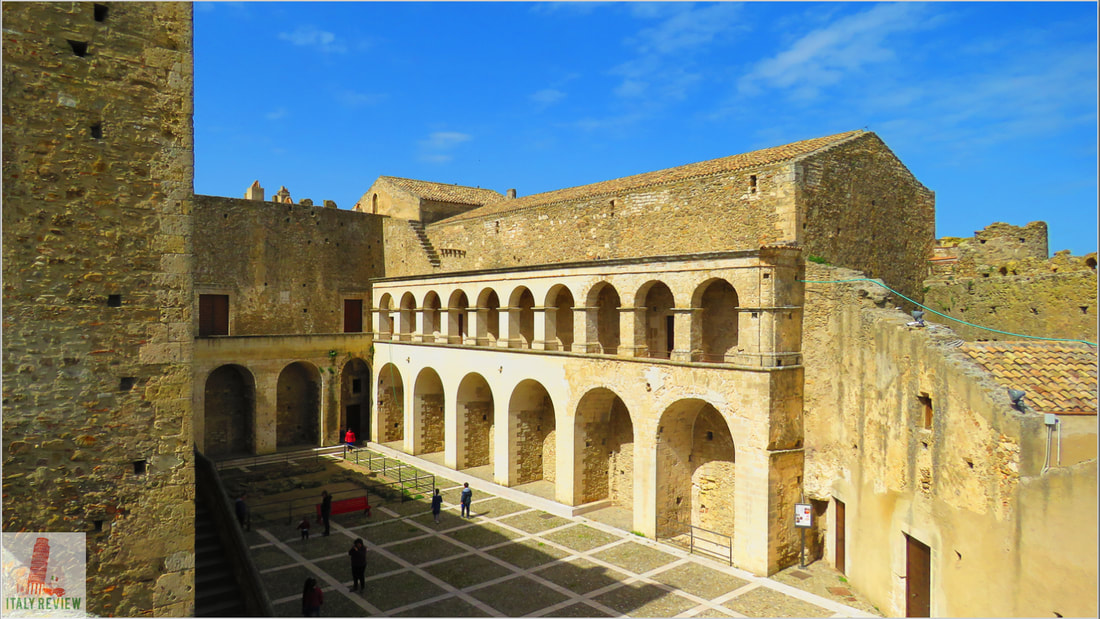
- Melfi and the Norman Castle offer a stronghold that has hosted emperors and popes. The castle contains a museum of archaeological finds, while the town’s streets feature medieval churches and noble palaces. Melfi is also near the extinct volcano Monte Vulture, surrounded by vineyards and lakes.
- Aliano and the Carlo Levi House provide insight into the exile of the writer and artist Carlo Levi, whose book Christ Stopped at Eboli made the area known. The town retains its isolated feel, with clay gullies surrounding its edges and museums dedicated to Levi’s time there.
- Lago di Monticchio and the Abbey of San Michele lie in a volcanic basin at the foot of Monte Vulture. Two small crater lakes are surrounded by woodland, with walking paths leading to a lakeside monastery. The abbey includes frescoes and archaeological remains from earlier periods of settlement.
Basilicata Tours and Activities
What to Eat
What to Eat in Basilicata
- Pecora alla pignata – A slow-cooked sheep stew prepared in a clay pot with onions, potatoes, tomatoes, wild herbs, and sometimes peperoncino. Traditionally cooked over a low flame for several hours, it was once prepared by shepherds during seasonal transhumance.
- Crapiata – A mixed legume and grain soup from Matera, made with chickpeas, lentils, beans, wheat, and sometimes potatoes. It is eaten in early August to celebrate the end of the harvest, a custom that dates back to ancient rural rituals of community sharing.
- Strascinati – Hand-made pasta, usually dragged along a board to give it a curled shape, similar to orecchiette but slightly larger. Typically served with rich sauces such as tomato and sausage or with sautéed turnip tops and breadcrumbs.
- Pane di Matera – A large, crusty bread made with durum wheat semolina and natural leavening, recognised for its unusual shapes and long fermentation. It has been a staple of Matera for centuries and remains central to the local diet and identity.
- Lucanica sausage – A seasoned pork sausage that traces its origins back to Roman times, when it was introduced to the empire as lucanica ex regione Lucania. Today it is either cured or cooked fresh and often includes fennel seeds or peperoncino for added flavour.
- Peperoni cruschi – Sun-dried red peppers fried quickly in oil until they become crisp, used as a garnish or snack. These peppers are a local speciality of Senise and are often crumbled over pasta, meat dishes, or simply eaten on their own with bread.
- Cavatelli con rucola e mollica – Small pasta shells served with sautéed rocket and toasted breadcrumbs, often flavoured with garlic and chilli. The dish combines bold bitter greens with the crunch of golden crumbs and is a typical example of cucina povera.
- Acquasale – A humble dish made with stale bread soaked in warm water, then topped with tomatoes, onions, olive oil, and oregano. Once eaten by shepherds and farmers in the fields, it remains a traditional summer dish across rural areas of Basilicata.
- Baccalà alla lucana – Salt cod cooked with potatoes, peppers, tomatoes, and sometimes olives, often served during Christmas and Easter. As inland areas lacked access to fresh fish, salt cod became a popular and long-lasting alternative in local homes.
- Calzoncelli di castagne – Sweet pastries filled with a mixture of chestnuts, cocoa, cinnamon, and sometimes rum or coffee, then fried or baked. Typically served at Christmas, they reflect Basilicata’s mountain produce and its love of nut-based desserts.
Photo Gallery
Basilicata Photo Gallery
How to Get to [Place Name]
How to Get to Basilicata
By Rail: Basilicata is served by regional Trenitalia services on the Battipaglia–Metaponto line, which connects towns such as Potenza, Ferrandina, and Metaponto with Salerno, Naples, and Taranto. Journey times are approximately 2 hours from Salerno to Potenza and 1 hour and 30 minutes from Taranto to Metaponto. In addition, Ferrovie Appulo Lucane (FAL) operates narrow-gauge lines connecting Potenza and Matera with Bari, though journey times are slower. Major stations in the region include Potenza Centrale, Metaponto, and Ferrandina Scalo.
By Road: Basilicata is bordered by Campania, Puglia, and Calabria, and is connected to the national road network by the SS407 Basentana and SS658 Potenza–Melfi roads. The A2 motorway runs just west of the region, with exits leading to towns such as Lauria and Lagonegro. The drive from Naples to Potenza takes around 2 hours, while Bari to Matera takes approximately 1 hour and 15 minutes. Roads in the region vary between fast routes and winding rural sections, particularly in the mountainous interior. Parking is available in all major towns and tourist areas.
Nearest International Airports:
By Road: Basilicata is bordered by Campania, Puglia, and Calabria, and is connected to the national road network by the SS407 Basentana and SS658 Potenza–Melfi roads. The A2 motorway runs just west of the region, with exits leading to towns such as Lauria and Lagonegro. The drive from Naples to Potenza takes around 2 hours, while Bari to Matera takes approximately 1 hour and 15 minutes. Roads in the region vary between fast routes and winding rural sections, particularly in the mountainous interior. Parking is available in all major towns and tourist areas.
Nearest International Airports:
- Bari Airport (Aeroporto di Bari Karol Wojtyła): Located in neighbouring Puglia, this is the most commonly used airport for eastern Basilicata. It is approximately 65 kilometres north of Matera, with a driving time of about 1 hour. The airport offers extensive domestic and international connections.
- Naples Airport (Aeroporto di Napoli-Capodichino): Situated about 160 kilometres west of Potenza, the drive takes roughly 2 hours and 15 minutes. This airport serves a wide range of destinations across Europe and Italy.
- Lamezia Terme Airport (Aeroporto di Lamezia Terme): Located in Calabria, around 190 kilometres south of Potenza, with a journey time of approximately 2 hours and 30 minutes by car. It offers seasonal and regular flights to several European cities.
Basilicata Top 10 - My Recommended Destinations in Basilicata
1. Matera
2. Craco
3. Maratea
4. Melfi
5. Pietrapertosa
6. Sant'Angelo Le Fratte
7. Venosa
8. Pollino National Park
9. Satriano di Lucania
10. Castelmezzano
👉 Explore the Top 10 Places to Visit in Basilicata
1. Matera
2. Craco
3. Maratea
4. Melfi
5. Pietrapertosa
6. Sant'Angelo Le Fratte
7. Venosa
8. Pollino National Park
9. Satriano di Lucania
10. Castelmezzano
👉 Explore the Top 10 Places to Visit in Basilicata
Private Transfers
Basilicata Private Transfers
A private transfer is one of the most practical ways to explore Basilicata or travel to and from the region, particularly useful for reaching places not easily accessible by train or bus. You’ll be collected from your chosen location and driven directly by a local driver—no waiting, no changes, and no need to hire a car.
From central parts of Basilicata, the drive to Bari Airport usually takes between 1 hour 30 minutes and 2 hours, while Naples Capodichino Airport is typically around 2 hours 30 minutes away, depending on your starting point. Transfers to towns such as Matera, Potenza, or Maratea vary from 45 minutes to 2 hours based on your location.
To check availability or request a personalised quote, simply fill out the short form below.
From central parts of Basilicata, the drive to Bari Airport usually takes between 1 hour 30 minutes and 2 hours, while Naples Capodichino Airport is typically around 2 hours 30 minutes away, depending on your starting point. Transfers to towns such as Matera, Potenza, or Maratea vary from 45 minutes to 2 hours based on your location.
To check availability or request a personalised quote, simply fill out the short form below.
Basilicata by Category
Archaeological Sites of Basilicata
Basilicata's Borghi Piu Belli d'Italia
Beach Resorts of Basilicata
Hill Towns of Basilicata
Major Cities and Towns of Basilicata
Orange Flag Towns of Basilicata
Parks of Basilicata
Pretty Villages of Basilicata
Scenic Towns of Basilicata
Things to see in Basilicata
Top 10 Places to Visit in Basilicata
Basilicata's Borghi Piu Belli d'Italia
Beach Resorts of Basilicata
Hill Towns of Basilicata
Major Cities and Towns of Basilicata
Orange Flag Towns of Basilicata
Parks of Basilicata
Pretty Villages of Basilicata
Scenic Towns of Basilicata
Things to see in Basilicata
Top 10 Places to Visit in Basilicata
Basilicata Destinations A-Z
Acerenza
Acquafredda
Aliano
Bella
Bernalda
Brienza
Castel Lagopesole
Castelmezzano
Cersosimo
Chiaromonte
Craco
Digna di Monte Cotugno
Ferrandina
Francavilla in Sinni
Genzano di Lucania
Guardia Perticara
Irsina
Lagonegro
Latronico
Lauria
Lido di Metaponto
Lido di Policoro
Lido di Scanzano
Maratea
Marina di Pisticci
Marsico Nuovo
Matera
Melfi
Miglionico
Moliterno
Montescaglioso
Muro Lucano
Nova Siri
Parco della Murgia Materana
Pietrapertosa
Pignola
Pisticci
Policoro
Potenza
Rivello
Rotonda
Rotondella
San Fele
San Giuliano Nature Reserve
San Severino Lucano
Sant'Angelo Le Fratte
Satriano di Lucania
Senise
Spinoso
Terranova di Pollino
Tricarico
Tursi
Valsinni
Venosa
Viggianello
Viggiano
Acquafredda
Aliano
Bella
Bernalda
Brienza
Castel Lagopesole
Castelmezzano
Cersosimo
Chiaromonte
Craco
Digna di Monte Cotugno
Ferrandina
Francavilla in Sinni
Genzano di Lucania
Guardia Perticara
Irsina
Lagonegro
Latronico
Lauria
Lido di Metaponto
Lido di Policoro
Lido di Scanzano
Maratea
Marina di Pisticci
Marsico Nuovo
Matera
Melfi
Miglionico
Moliterno
Montescaglioso
Muro Lucano
Nova Siri
Parco della Murgia Materana
Pietrapertosa
Pignola
Pisticci
Policoro
Potenza
Rivello
Rotonda
Rotondella
San Fele
San Giuliano Nature Reserve
San Severino Lucano
Sant'Angelo Le Fratte
Satriano di Lucania
Senise
Spinoso
Terranova di Pollino
Tricarico
Tursi
Valsinni
Venosa
Viggianello
Viggiano