Veneto
|
Latest page update: 25 June 2025
|
By: Dion Protani
|
Where to Stay
Where to Stay in Veneto
Veneto offers an exceptional range of highly rated hotels, from grand Venetian palazzi on the lagoon to refined countryside estates and elegant lakefront retreats. In Venice, Aman Venice is one of the most exclusive addresses, set within a 16th-century palazzo on the Grand Canal with original frescoes, private gardens and discreet, personalised service. Also in the city, Gritti Palace exemplifies historic Venetian luxury with opulent interiors, lagoon views and a celebrated restaurant overlooking the canal, while Hotel Danieli combines gothic grandeur and a dramatic waterfront position near the Piazza San Marco and the Doge’s Palace.
Beyond the lagoon, Byblos Art Hotel Villa Amistà near Verona offers a completely different experience, set in a restored villa where contemporary art meets classical architecture, featuring extensive gardens, a spa and a renowned restaurant. In the heart of Verona itself, Due Torri Hotel provides a long-established base close to the Basilica di Sant’Anastasia, appreciated for its elegant décor, traditional hospitality and roof terrace with views over the city’s rooftops.
On Lake Garda, Lefay Resort & SPA Lago di Garda above Gargnano is one of Veneto’s highest-rated wellness retreats, combining lake views, contemporary suites and extensive spa facilities in a secluded hillside setting. Also on the lake, Villa Cortine Palace Hotel in Sirmione offers a blend of Belle Époque elegance, landscaped grounds and direct lake access just a short walk from the town’s historic centre. On the Adriatic coast, Almar Jesolo Resort & Spa in Lido di Jesolo provides a beachfront alternative with modern design, a large spa and spacious rooms facing the sea.
In the foothills of the Dolomites, Cristallo, a Luxury Collection Resort & Spa in Cortina d’Ampezzo delivers alpine refinement with panoramic mountain views, fine dining and exceptional wellness facilities in one of Italy’s most iconic ski resorts. Completing the region, Ca’ Sagredo Hotel in Venice offers a quieter but equally distinguished option, housed in a historic palace filled with art, frescoes and canal-facing rooms that reflect the grandeur of the Venetian Republic.
Beyond the lagoon, Byblos Art Hotel Villa Amistà near Verona offers a completely different experience, set in a restored villa where contemporary art meets classical architecture, featuring extensive gardens, a spa and a renowned restaurant. In the heart of Verona itself, Due Torri Hotel provides a long-established base close to the Basilica di Sant’Anastasia, appreciated for its elegant décor, traditional hospitality and roof terrace with views over the city’s rooftops.
On Lake Garda, Lefay Resort & SPA Lago di Garda above Gargnano is one of Veneto’s highest-rated wellness retreats, combining lake views, contemporary suites and extensive spa facilities in a secluded hillside setting. Also on the lake, Villa Cortine Palace Hotel in Sirmione offers a blend of Belle Époque elegance, landscaped grounds and direct lake access just a short walk from the town’s historic centre. On the Adriatic coast, Almar Jesolo Resort & Spa in Lido di Jesolo provides a beachfront alternative with modern design, a large spa and spacious rooms facing the sea.
In the foothills of the Dolomites, Cristallo, a Luxury Collection Resort & Spa in Cortina d’Ampezzo delivers alpine refinement with panoramic mountain views, fine dining and exceptional wellness facilities in one of Italy’s most iconic ski resorts. Completing the region, Ca’ Sagredo Hotel in Venice offers a quieter but equally distinguished option, housed in a historic palace filled with art, frescoes and canal-facing rooms that reflect the grandeur of the Venetian Republic.
Where is
Where is Veneto?
|
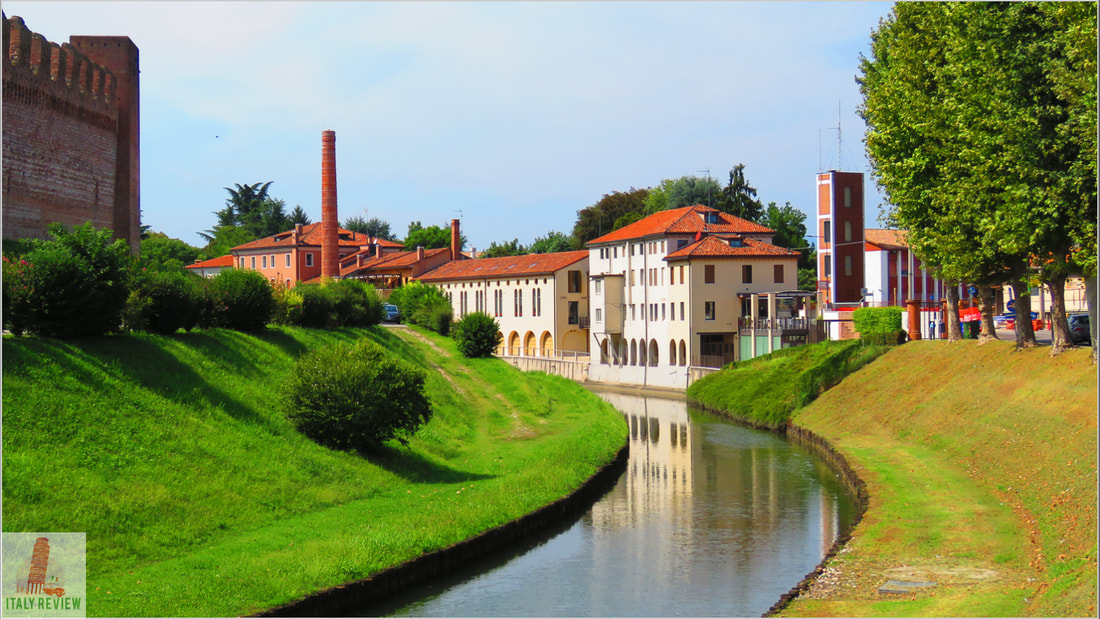
The Veneto is one of the prettiest regions of Italy that will appeal in particular to lovers of nature, history and glamorous locations. It's capital Venice needs little introduction but is one of four different cities in the region listed as UNESCO World Heritage Sites.
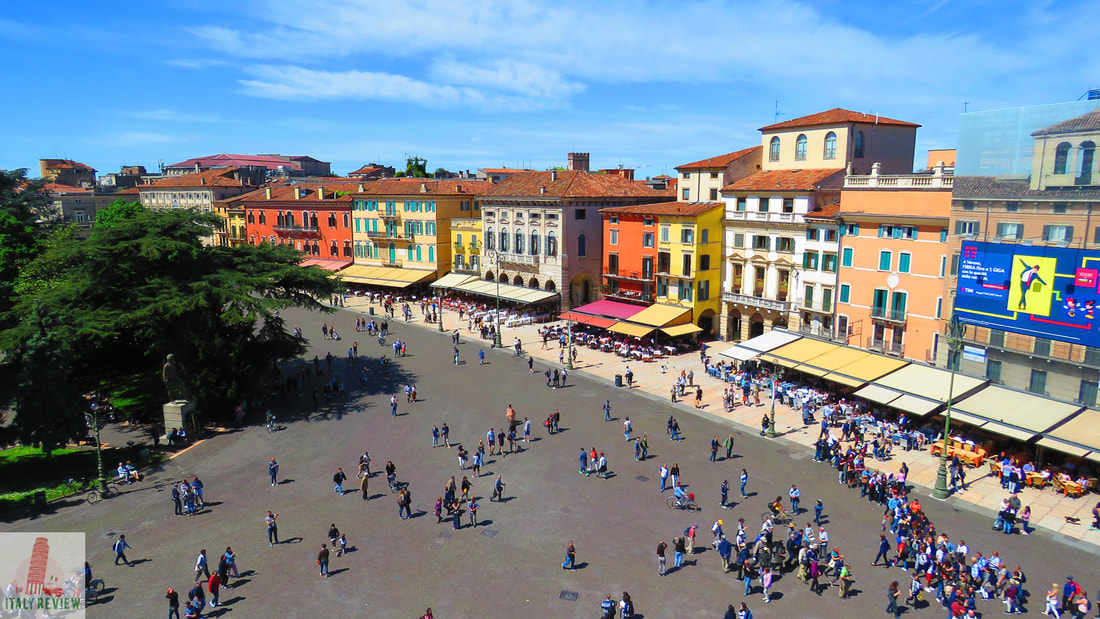
One of those cities listed by UNESCO is the ancient city of Verona which particularly flourished during medieval times and then the Renaissance. The Verona Arena can be likened to a mini-Colosseum but the big difference is Verona's ancient structure is still used to this day for evening concerts and other events. |
Regione Veneto
|
Regional capital: Venice
Population: 4,851,972 (in 2024 - source) Size: 18,345 km² Provinces: 7 Fly to: Venice Marco Polo Airport or Treviso Airport Highlights: Venice, Verona, Padova, Vicenza, Bassano del Grappa |
What People Ask About Veneto
Is Veneto worth visiting?
Yes—Veneto is one of Italy’s most visited regions, home to Venice, Verona, and the Dolomites. It offers a wide variety of experiences, from romantic canals and lakeside towns to alpine hiking and historic cities filled with art and culture.
What are the main attractions in Veneto?
Top attractions include Venice’s Grand Canal and St Mark’s Basilica, Juliet’s Balcony in Verona, Lake Garda towns like Bardolino, and the Dolomites for skiing and hiking. Other highlights are Padua, Vicenza, and Palladian villas throughout the region.
How do I get to Veneto?
Veneto is easily reached by train, with high-speed services to Venice, Verona, Padua, and Vicenza. Venice Marco Polo and Verona airports offer domestic and international flights, and major motorways link the region to Milan, Austria, and Slovenia.
What is Veneto known for?
Veneto is known for Venice and its lagoon, Prosecco wine, and well-preserved Renaissance and Roman sites. The region has a strong cultural identity, alpine landscapes, and some of Italy’s most important opera, art, and film events.
When is the best time to visit Veneto?
Spring (April to June) and early autumn (September to October) are ideal, offering good weather and fewer crowds. Summer is busy in Venice and Lake Garda, while winter is perfect for skiing in the Dolomites and festive markets in the cities.
Related links
Discover
Discover Veneto
Palladio's Vicenza and around
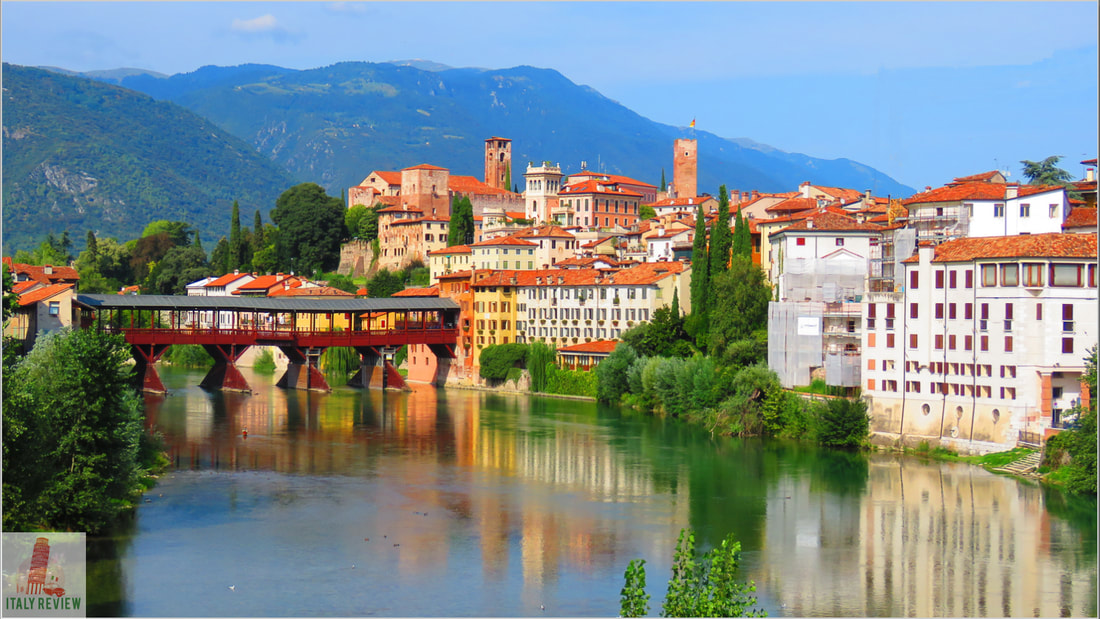
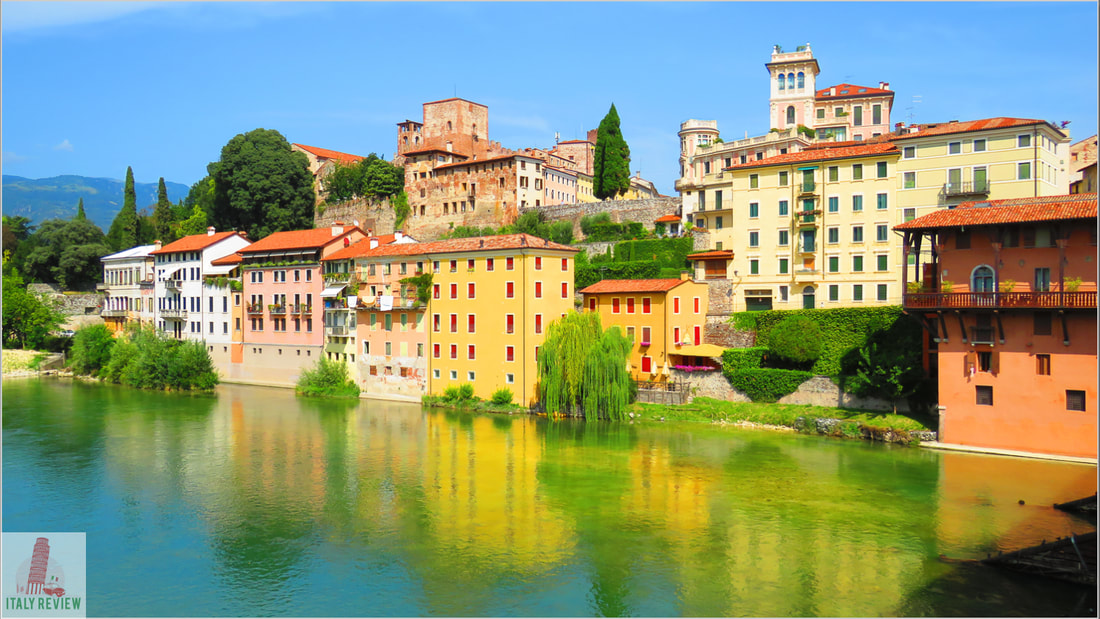
The city centre of Vicenza is a treasure trove of Palladian architecture while the surrounding area is home to many villas designed in the same style. Another example of Palladio's work can be found in nearby Bassano del Grappa where his unique bridge (Ponte Vecchio - not the one in Florence) spans the River Brenta.
The treasures of Padova
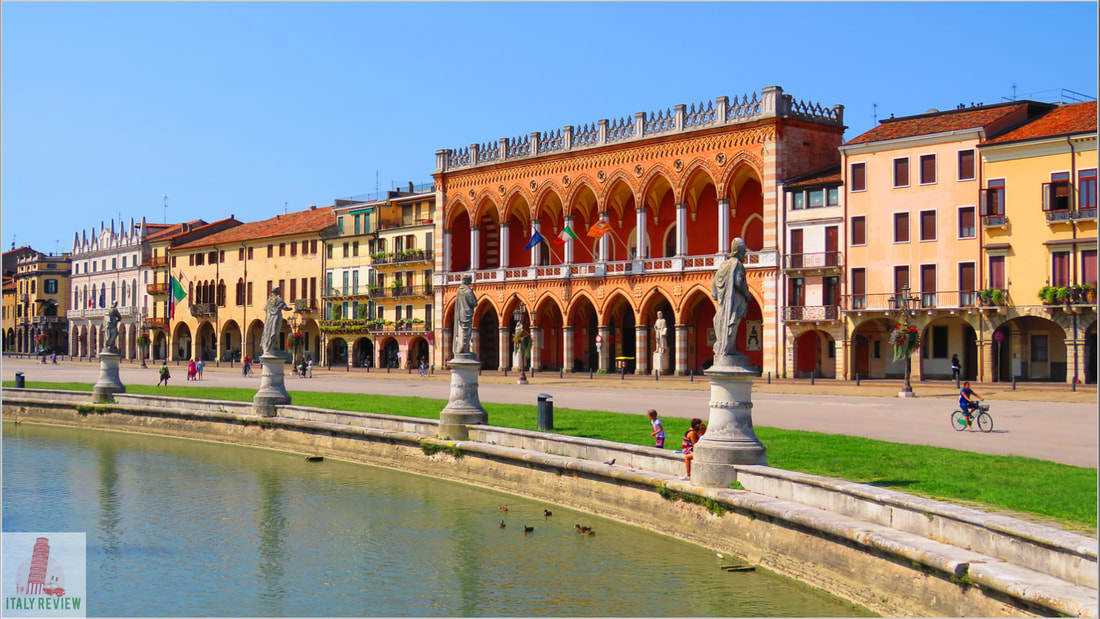
The fourth UNESCO listed city, Padua, owes its inscription to its Botanical Garden of Padua, founded in 1545 making it the longest-surviving of its kind in the world. Padova can also boast arguably the finest square in Italy: the incredible Prato della Valle along with other sights such as the Scrovegni Chapel with its frescoes by Giotto.
Treviso
Veneto is divided into seven provinces and the four cities listed above are the capitals of their provinces of the same name. The three remaining cities of Treviso, Belluno and Rovigo each have their own distinct characters, as do their provinces.
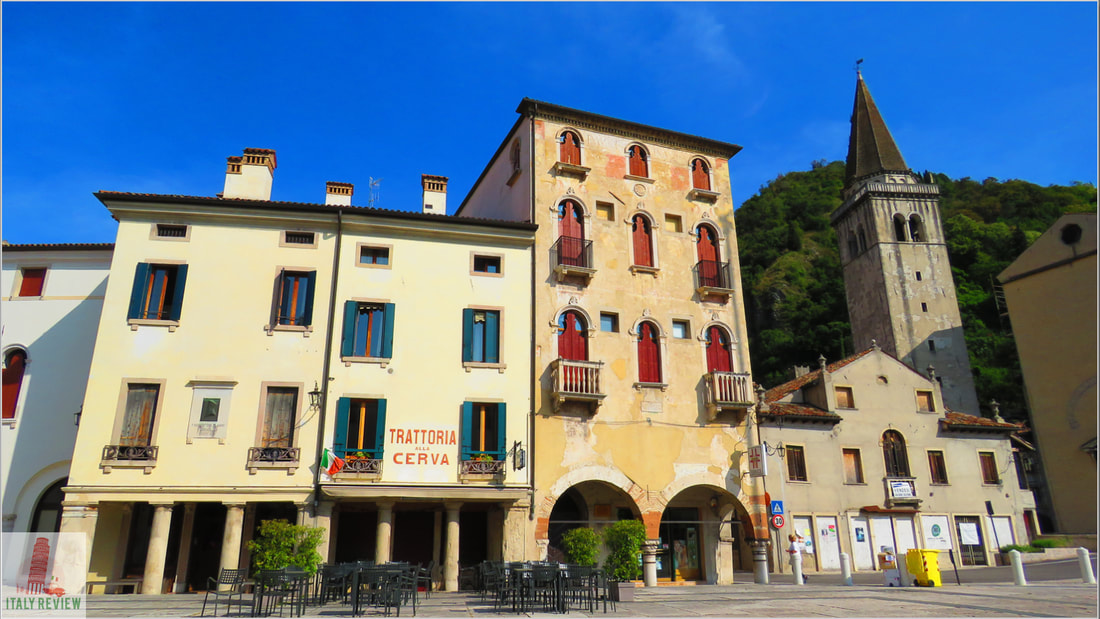
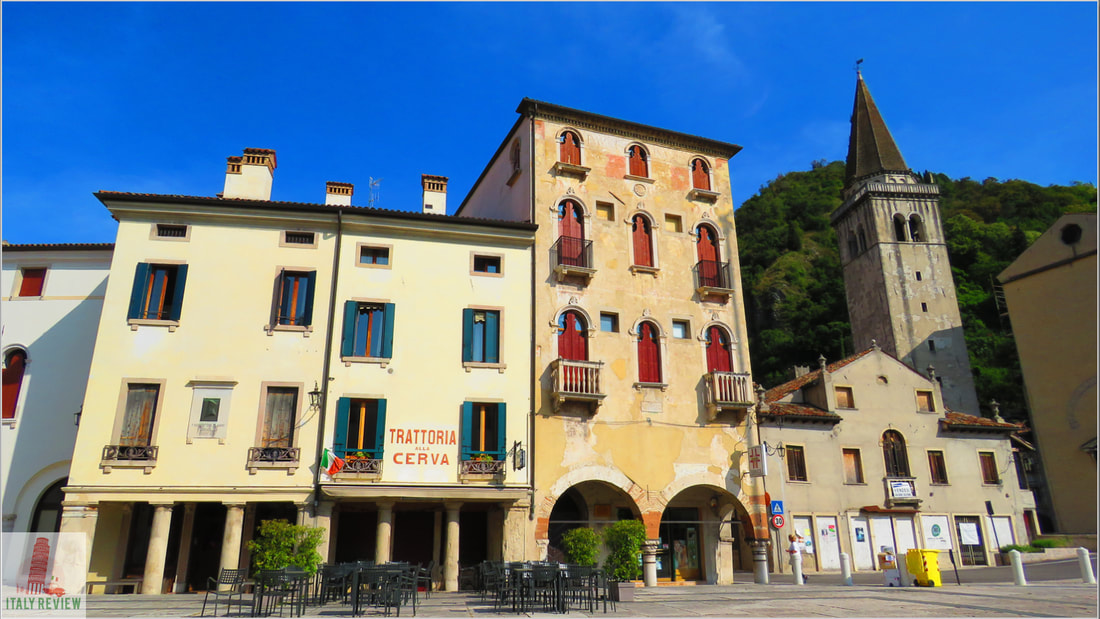
The city of Treviso rests on a series of canals while the eponymous province is the buffer zone between sea and mountain. One of the main sights here is the historic town of Vittorio Veneto, a town whose name is celebrated throughout the country as it was the location of a decisive battle between Italian and Austro-Hungarian forces during World War One.
The medieval borgo of Serravalle is of particular interest; not only for its architecture but for the fact you can still see bullet-holes on the walls from the aforementioned battle.
The city of Treviso rests on a series of canals while the eponymous province is the buffer zone between sea and mountain. One of the main sights here is the historic town of Vittorio Veneto, a town whose name is celebrated throughout the country as it was the location of a decisive battle between Italian and Austro-Hungarian forces during World War One.
The medieval borgo of Serravalle is of particular interest; not only for its architecture but for the fact you can still see bullet-holes on the walls from the aforementioned battle.
Rovigo: hugging the Adriatic
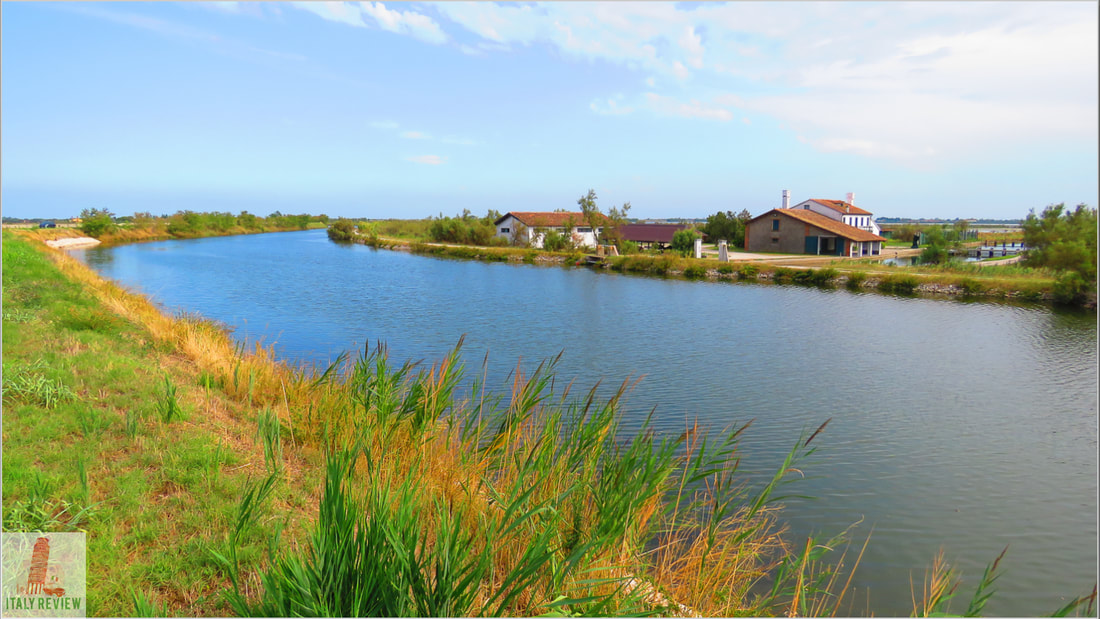
Rovigo is the province of the Po Delta Regional Park, an area of wetlands, where the River Po meets the Adriatic Sea, teeming with wildlife and a unique biodiversity.
Mountainous Belluno
The northernmost province of Veneto is Belluno, a mountain region where the Dolomites loom large, providing breathtaking scenery and some of the country's best ski resorts; Cortina d'Ampezzo among them.
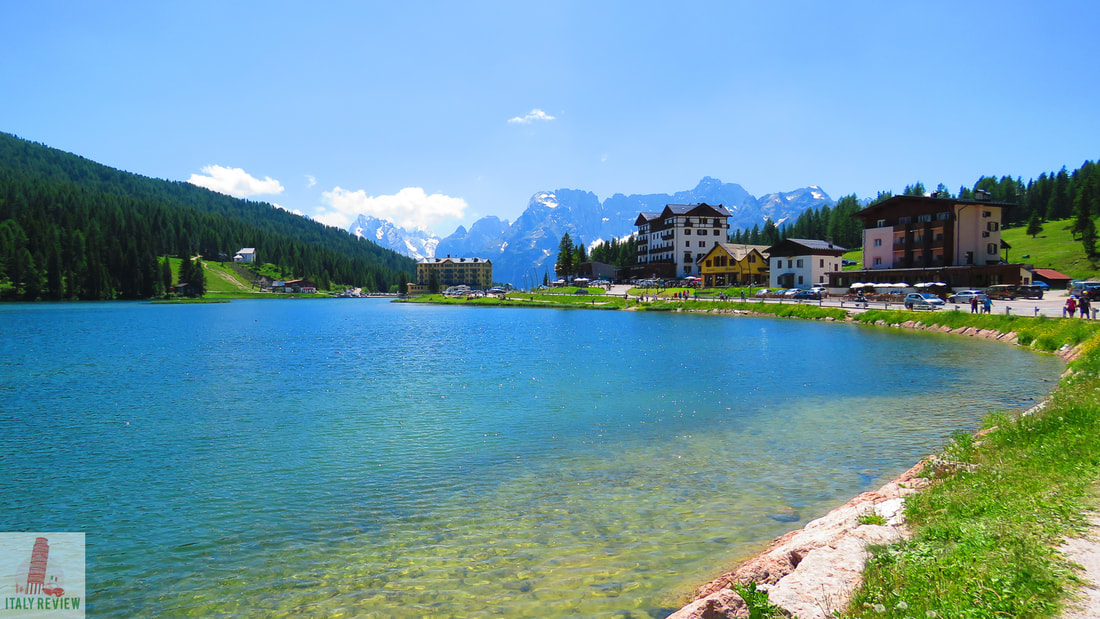
Here you'll also find a vibrant summer destination with beautiful lakes such as Misurina and Alleghe, the mountain town of Asiago or the smaller towns of the Cadore region such as Pieve, Auronzo, San Vito and Santo Stefano.
Famous resorts around Lake Garda
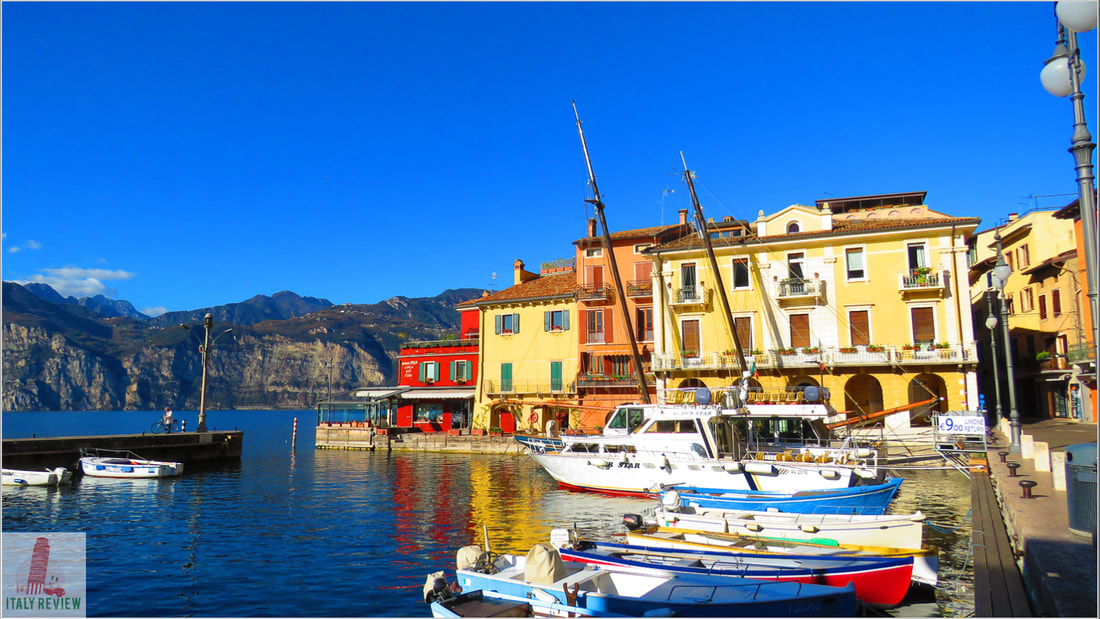
Of course when mentioning lakes, it's impossible to omit Lake Garda, the largest lake in Italy which covers three regions. Lombardy and Trentino Alto-Adige/South Tyrol make up Lake Garda's western and northern shores while Veneto has most of the eastern half including the towns of Peschiera del Garda, Malcesine and Lazise.
Venice and its Lagoon
Venice is the province not only of the famous city and former maritime republic, but also of the Venice Lagoon with its many islands waiting to be discovered; my personal favourites are Burano and Pellestrina for their displays of colour.
At the southern end of the lagoon is a wonderful seaside town called Chioggia which is like a mini-Venice without the crowds, while further north, above Venice is the resort of Caorle, with its own brightly-coloured buildings but also, an expansive, sandy beach.
Beautiful gardens
The province of Verona is home not only to Lake Garda and Verona itself, but also to a wonderful park called Parco Giardino Sigurtà. You can make your way around the park by golf buggy or electric bicycle and this really is one of the most enjoyable days out you can have in the whole region. The gardens are immaculate with incredible pristine lawns and a maze that takes a good while to fathom.
Famous wines
Veneto is also one of the most important wine regions in Italy; it's the home to Prosecco, Valpolicella and Bardolino to name just a few and there are dozens of great vineyards where you can try the wines.
Things to Do
Things to Do in Veneto
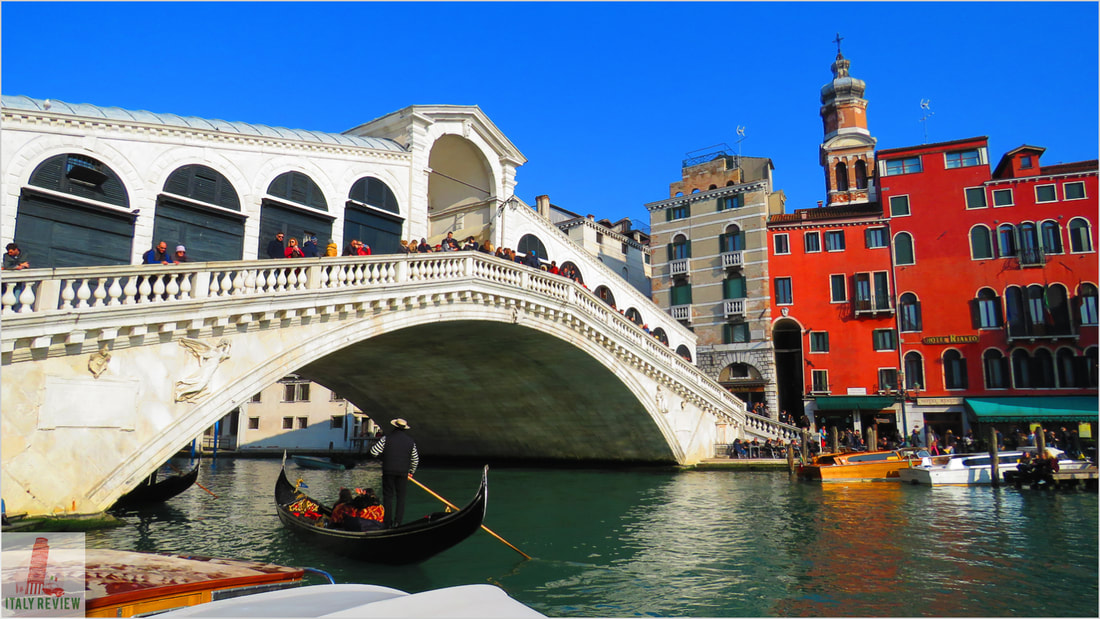
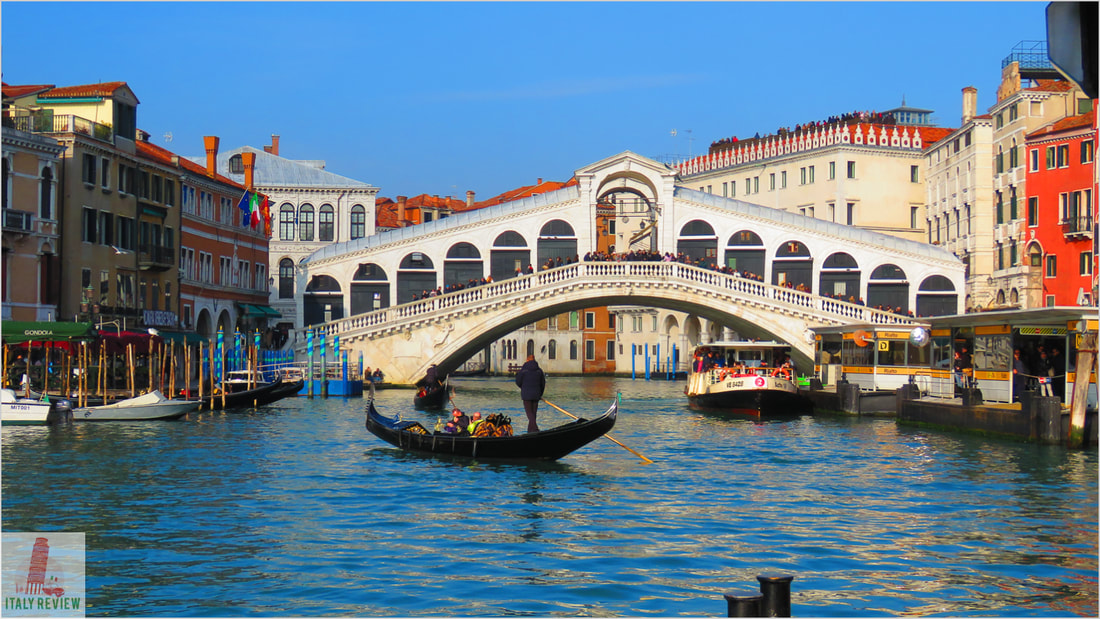
- Venice and St Mark’s Square are among Italy’s most iconic sights, with the basilica, Doge’s Palace, and campanile all overlooking the lagoon. The Grand Canal winds through the city with gondolas and vaporetti, while Venice’s smaller islands like Murano, Burano, and Torcello offer traditional crafts and quieter walks.
- Verona and the Roman Arena combine Roman heritage with medieval streets and literary fame. The Arena still hosts opera performances, and Juliet’s House draws visitors to its balcony. The historic centre includes Piazza delle Erbe, the Castelvecchio bridge, and views from the Torre dei Lamberti.
- Padua and the Scrovegni Chapel preserve one of Europe’s most important fresco cycles, painted by Giotto in the early 14th century. The city also includes the Basilica of Saint Anthony, the world’s oldest botanical garden, and a lively university atmosphere with arcaded streets and historic cafés.
- Vicenza and the Palladian Architecture are centred around the works of Renaissance architect Andrea Palladio. The Teatro Olimpico and Villa La Rotonda are key highlights, while the town includes elegant palaces, squares, and walking routes through Palladian heritage sites recognised by UNESCO.
- Lake Garda and the Eastern Shore stretch into Veneto with resort towns such as Peschiera del Garda, Lazise, and Malcesine. The lake offers ferries, beaches, and lakeside promenades, with Monte Baldo rising above for hiking and cable car rides. Gardaland, one of Italy’s top theme parks, is nearby.
- The Dolomites and Cortina d’Ampezzo form part of the eastern alpine range, with peaks like the Tofane and Cristallo. Cortina is a year-round resort for skiing, hiking, and climbing, and hosted the Winter Olympics. The surrounding area includes mountain lakes and scenic passes like the Tre Croci and Giau.
- Treviso and the Canals of the Old Town offer a quieter alternative to Venice, with a network of waterways, frescoed buildings, and medieval gates. The town is known for prosecco, radicchio, and being the birthplace of tiramisù, with peaceful piazzas and riverside walks.
- Chioggia and the Fishing Port are located at the southern end of the Venetian Lagoon, with a strong maritime tradition. Known as “Little Venice,” Chioggia features canals, a lively fish market, and a more authentic local atmosphere. It is also a gateway to the beaches of Sottomarina.
- Asolo and the Hilltop Views are found in the foothills of the Dolomites, long favoured by poets, artists, and writers. The town includes villas, a medieval fortress, and cobbled streets with views over vineyards and olive groves. It is part of the Strada del Prosecco wine route.
- Belluno and the Piave Valley stand at the entrance to the Dolomites, with mountain backdrops and a small historic centre. The town includes Renaissance palaces, a Duomo, and access to natural parks like the Dolomiti Bellunesi, with trails, river walks, and alpine wildlife.
Tours and Activities
Veneto Tours and Activities
What to Eat
What to Eat in Veneto
- Risotto al nero di seppia – Creamy risotto cooked with cuttlefish and their black ink, giving the dish a deep colour and briny flavour. Popular in Venice and the lagoon islands, it’s traditionally made with vialone nano rice and finished with parsley and olive oil.
- Baccalà alla vicentina – Salt cod slow-cooked with onions, milk, anchovies, and olive oil until tender, usually served with polenta. Originating in Vicenza, it is one of the region’s most famous dishes and takes several hours to prepare for full flavour.
- Sarde in saor – Fried sardines marinated in vinegar, onions, raisins, and pine nuts, served cold after resting for at least a day. This sweet-sour antipasto comes from Venetian seafaring traditions and was once used to preserve fish on long voyages.
- Bigoli in salsa – Thick wholemeal spaghetti served with a sauce of slow-cooked onions and anchovies or sardines. Eaten especially during Lent and on Christmas Eve, the dish is deeply rooted in the culinary traditions of Venice and the Veneto plains.
- Fegato alla veneziana – Thin slices of calf’s liver sautéed with onions and sometimes white wine or vinegar, served with polenta. A classic dish from Venice, it balances richness and acidity and is found in traditional osterie and family kitchens alike.
- Polenta e osei (savoury) – Creamy polenta served with small roasted game birds, such as thrush or sparrow, once common in the countryside. Today, it is often made with quail and served in the hills and mountains around Verona and Vicenza.
- Risi e bisi – A springtime risotto-like dish of rice and fresh peas, typically made with pancetta and a light stock. Traditionally offered to the Doge of Venice on St Mark’s Day, it sits between a soup and a risotto in texture and is eaten with a spoon.
- Pastissada de caval – Horsemeat stew marinated in wine and cooked with onions, cloves, and bay leaves, served with polenta. Common around Verona, it has ancient roots and remains a robust and traditional main dish, though now less widely consumed.
- Gnocchi di malga – Cheese-based potato gnocchi dressed with butter and mature alpine cheese, typical of the mountain huts (malghe) in the Dolomites. Hearty and filling, they reflect the Alpine character of northern Veneto and are eaten especially in winter.
- Bussolà buranello – Rich, ring-shaped butter biscuits flavoured with lemon zest or vanilla, originally from the island of Burano. Once made by fishermen’s families for long sea journeys, they are now sold widely in Venice and enjoyed with dessert wine or coffee.
Photo Gallery
Veneto Photo Gallery
Veneto Top 10 - My Recommended Destinations in Veneto
1. Venice
2. Lake Garda
3. Verona
4. Padua
5. Burano
6. Vicenza
7. Bassano del Grappa
8. Cortina d'Ampezzo
9. Chioggia
10. Soave
👉 Explore the Top 10 Places to Visit in Veneto
1. Venice
2. Lake Garda
3. Verona
4. Padua
5. Burano
6. Vicenza
7. Bassano del Grappa
8. Cortina d'Ampezzo
9. Chioggia
10. Soave
👉 Explore the Top 10 Places to Visit in Veneto
How to Get to [Place Name]
How to Get to Veneto
By Rail: Veneto is well connected by Trenitalia and Italo high-speed and regional trains. Major rail hubs include Venice Santa Lucia, Mestre, Padua, Verona, Vicenza, and Treviso. High-speed services link Venice with Milan, Florence, Rome, and Trieste, while regional trains serve towns across the region. Journey times are approximately 2 hours and 30 minutes from Rome to Venice and around 1 hour and 15 minutes from Milan to Verona.
By Road: Veneto is accessible via the A4 (Turin–Trieste), A13 (Padua–Bologna), and A27 (Venice–Belluno) motorways, as well as regional highways connecting the plains, hills, and Dolomites. The drive from Milan to Verona takes about 1 hour and 30 minutes, from Florence to Padua around 2 hours, and from Trieste to Venice just under 2 hours. Public parking is available in most towns and cities, including large terminals outside Venice’s historic centre.
Nearest International Airports:
Ferry Connections:
By Road: Veneto is accessible via the A4 (Turin–Trieste), A13 (Padua–Bologna), and A27 (Venice–Belluno) motorways, as well as regional highways connecting the plains, hills, and Dolomites. The drive from Milan to Verona takes about 1 hour and 30 minutes, from Florence to Padua around 2 hours, and from Trieste to Venice just under 2 hours. Public parking is available in most towns and cities, including large terminals outside Venice’s historic centre.
Nearest International Airports:
- Venice Marco Polo Airport (Aeroporto di Venezia Marco Polo): Located about 13 kilometres north of Venice, the drive to the mainland terminal at Piazzale Roma takes approximately 20 minutes. It is the main international gateway to the region.
- Verona Airport (Aeroporto di Verona Villafranca): Around 12 kilometres south-west of Verona, reachable in about 20 minutes by car. It serves a wide range of domestic and European destinations.
- Treviso Airport (Aeroporto di Treviso Antonio Canova): Situated around 30 kilometres from Venice, the drive takes about 40 minutes. It is mainly used by low-cost carriers.
Ferry Connections:
- Venice operates a comprehensive public ferry system (Vaporetto), providing transport throughout the lagoon to Murano, Burano, Torcello, and Lido di Venezia.
- Seasonal services run from Venice to coastal towns such as Chioggia and Jesolo, as well as ferries across the Venetian Lagoon.
- Passenger ferries also connect Lido di Venezia and Pellestrina, with options to transport bicycles and vehicles on specific routes.
- Terminals are located at key access points including Piazzale Roma, Tronchetto, and Fondamente Nove, with regular schedules throughout the year.
Private Transfers
Veneto Private Transfers
A private transfer is the most convenient way to travel within Veneto or connect the region to other parts of northern Italy, avoiding the need to coordinate train schedules or drive long distances yourself. You’ll be collected from your chosen location and driven by a local, professional driver, ensuring a smooth and reliable service.
Within Veneto, the main hub is Venice Marco Polo Airport, which is the most commonly used gateway for international arrivals. From the regional capital Venice to Verona, transfers take around 1 hour 30 minutes with a distance of 120 km. Treviso Airport, another key hub, is just 40 minutes from Venice, while Verona Villafranca Airport is well placed for those visiting the western side of the region, about 20 minutes from Verona city centre. Longer transfers connect Veneto to Milan Malpensa Airport in about 3 hours (270 km) or Bologna Airport in roughly 1 hour 45 minutes (150 km).
To request a quote or check availability for a private transfer, just fill out the short form below and we’ll get back to you with all the details.
Within Veneto, the main hub is Venice Marco Polo Airport, which is the most commonly used gateway for international arrivals. From the regional capital Venice to Verona, transfers take around 1 hour 30 minutes with a distance of 120 km. Treviso Airport, another key hub, is just 40 minutes from Venice, while Verona Villafranca Airport is well placed for those visiting the western side of the region, about 20 minutes from Verona city centre. Longer transfers connect Veneto to Milan Malpensa Airport in about 3 hours (270 km) or Bologna Airport in roughly 1 hour 45 minutes (150 km).
To request a quote or check availability for a private transfer, just fill out the short form below and we’ll get back to you with all the details.
Veneto by Category
Beach Resorts of Veneto
Blue Flag Locations in Veneto
Lakes of Veneto
Lakeside Towns of Veneto
Landmarks of Veneto
Major Cities of Veneto
Mountain Towns of Veneto
Orange Flag Towns of Veneto
Parks of Veneto
Scenic Towns of Veneto
Seaside Towns of Veneto
Ski Resorts of Veneto
Things to see in Veneto
Top 10 Places to Visit in Veneto
UNESCO World Heritage Sites of Veneto
Veneto's Borghi Piu Belli d'Italia
Blue Flag Locations in Veneto
Lakes of Veneto
Lakeside Towns of Veneto
Landmarks of Veneto
Major Cities of Veneto
Mountain Towns of Veneto
Orange Flag Towns of Veneto
Parks of Veneto
Scenic Towns of Veneto
Seaside Towns of Veneto
Ski Resorts of Veneto
Things to see in Veneto
Top 10 Places to Visit in Veneto
UNESCO World Heritage Sites of Veneto
Veneto's Borghi Piu Belli d'Italia
Veneto Destinations A-Z
Abano Terme
Alleghe
Arabba
Arquà Petrarca
Asiago
Asolo
Auronzo di Cadore
Bardolino
Bassano del Grappa
Battaglia Terme
Belluno
Bibione
Borghetto
Brenzone sul Garda
Caorle
Castelfranco Veneto
Cavallino Treporti
Chioggia
Cibiana di Cadore
Cison di Valmarino
Cittadella
Conegliano
Cortina d'Ampezzo
Euganean Hills Regional Park
Feltre
Ferrara di Monte Baldo
Follina
Garda
Lake Alleghe
Lake Antorno
Lake Auronzo
Lake Garda
Lake Misurina
Lake Santa Croce
Lazise
Lido di Jesolo
Livinallongo del Col di Lana
Malcesine
Marostica
Mel
Monselice
Montagnana
Padua
Parco Giardino Sigurtà
Peschiera del Garda
Pieve del Grappa
Pieve di Cadore
Portobuffolé
Portogruaro
Rosolina Mare
Rovigo
San Giorgio di Valpolicella
San Vito di Cadore
Santo Stefano di Cadore
Soave
Sottoguda
Sottomarina
Stra
Tempio Canoviano
Torri del Benaco
Treviso
Valeggio sul Mincio
Valpolicella
Venice
Verona
Vicenza
Villa Pisani
Vittorio Veneto
Alleghe
Arabba
Arquà Petrarca
Asiago
Asolo
Auronzo di Cadore
Bardolino
Bassano del Grappa
Battaglia Terme
Belluno
Bibione
Borghetto
Brenzone sul Garda
Caorle
Castelfranco Veneto
Cavallino Treporti
Chioggia
Cibiana di Cadore
Cison di Valmarino
Cittadella
Conegliano
Cortina d'Ampezzo
Euganean Hills Regional Park
Feltre
Ferrara di Monte Baldo
Follina
Garda
Lake Alleghe
Lake Antorno
Lake Auronzo
Lake Garda
Lake Misurina
Lake Santa Croce
Lazise
Lido di Jesolo
Livinallongo del Col di Lana
Malcesine
Marostica
Mel
Monselice
Montagnana
Padua
Parco Giardino Sigurtà
Peschiera del Garda
Pieve del Grappa
Pieve di Cadore
Portobuffolé
Portogruaro
Rosolina Mare
Rovigo
San Giorgio di Valpolicella
San Vito di Cadore
Santo Stefano di Cadore
Soave
Sottoguda
Sottomarina
Stra
Tempio Canoviano
Torri del Benaco
Treviso
Valeggio sul Mincio
Valpolicella
Venice
Verona
Vicenza
Villa Pisani
Vittorio Veneto