Giglio
⭐ Ranked #82 in the Italy Review Top 100 – My Most Recommended Destinations
|
Latest page update: 7 September 2025
|
By: Dion Protani
|
Where to Stay
Where to Stay in Giglio
Giglio has a modest but appealing hotel offering, with accommodation spread between Giglio Porto, Campese and Castello. The best-reviewed options focus on sea views, straightforward comfort and convenient access to the island’s beaches, coves and walking routes.
Hotel Saraceno in Giglio Porto is one of the most established choices, appreciated for its panoramic terraces, welcoming atmosphere and easy access to the harbour and boat services (€€€). Hotel Campese, set above the bay at Campese, offers a relaxed seaside stay with wide views and a practical position close to the beach, making it a popular choice in summer (€€€). For a quieter base inland, Hotel Castello Monticello provides character, pleasant outdoor areas and a scenic hilltop setting between Porto and Campese, earning positive feedback for comfort and hospitality (€€€).
Where is
Where is Giglio?
|
The second largest island in the Tuscan Archipelago (Arcipelago Toscano), is the incomparable, Giglio, which means Lilly in English.
Its total size of just under twenty four square kilometres and population of around one and a half thousand make it one of the smaller Italian islands but this is one of those occasions when size doesn't matter. Giglio manages to pack in two of the best beaches in Italy, one of its prettiest ports and a gorgeous hill town which is included in the list of Borghi Più Belli d'Italia (Italy's most beautiful villages). |
Comune di Isola del Giglio
|
Province: Grosseto
Region: Tuscany Population: 1,269 (in 2025 - source) Size: 24 km² Highlights: Cala delle Caldane, Cala delle Cannelle, Giglio Porto Recommended accommodation: La Guardia Hotel |
What People Ask About Giglio, Tuscany
Is Giglio worth visiting?
Yes, Giglio is worth visiting for its crystal-clear waters, scenic hiking trails, and quiet beaches. It’s a small island in the Tuscan Archipelago known for its natural beauty and relaxed atmosphere.
How do I get to Giglio?
Giglio is accessible by ferry from Porto Santo Stefano on the mainland. The crossing takes around one hour, with multiple sailings per day, especially during the summer season.
What can you do on Giglio Island?
Activities include swimming and snorkelling at beaches like Cala delle Cannelle, walking the coastal paths, visiting Giglio Castello, and enjoying seafood in the harbour town of Giglio Porto.
When is the best time to visit Giglio?
The best time to visit Giglio is from late spring to early autumn. June and September offer warm weather with fewer visitors, while July and August are the busiest months for tourism.
How many days should you spend on Giglio?
A stay of 2 to 3 days is enough to explore the island’s beaches, hilltop village, and hiking routes. Many visitors also come for day trips during the summer months.
Related links
Discover
Discover Giglio
Giglio's best beaches
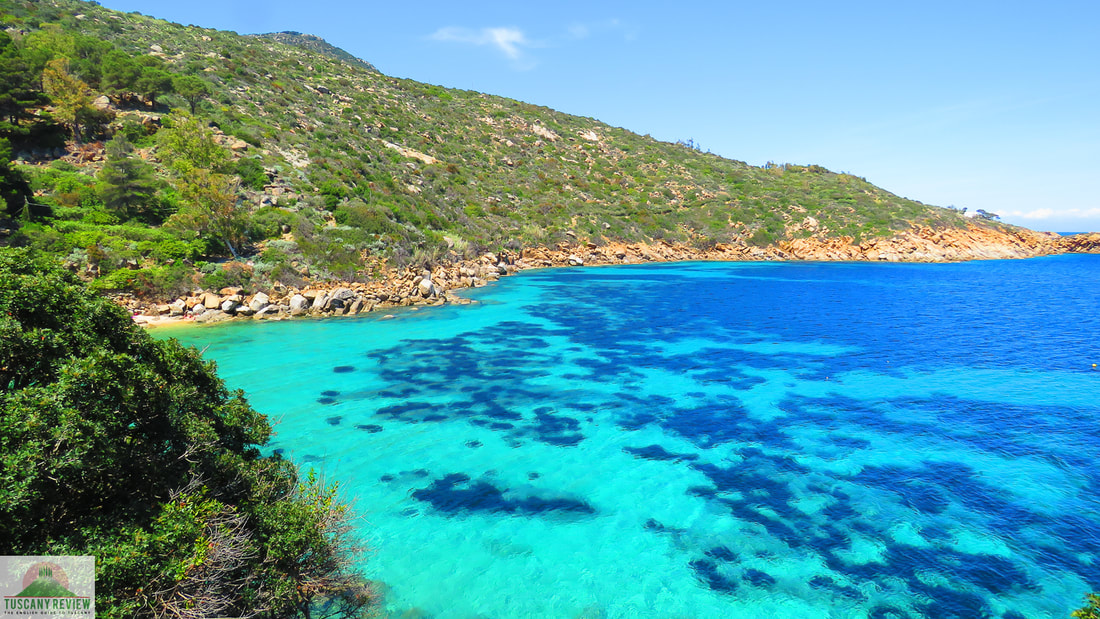
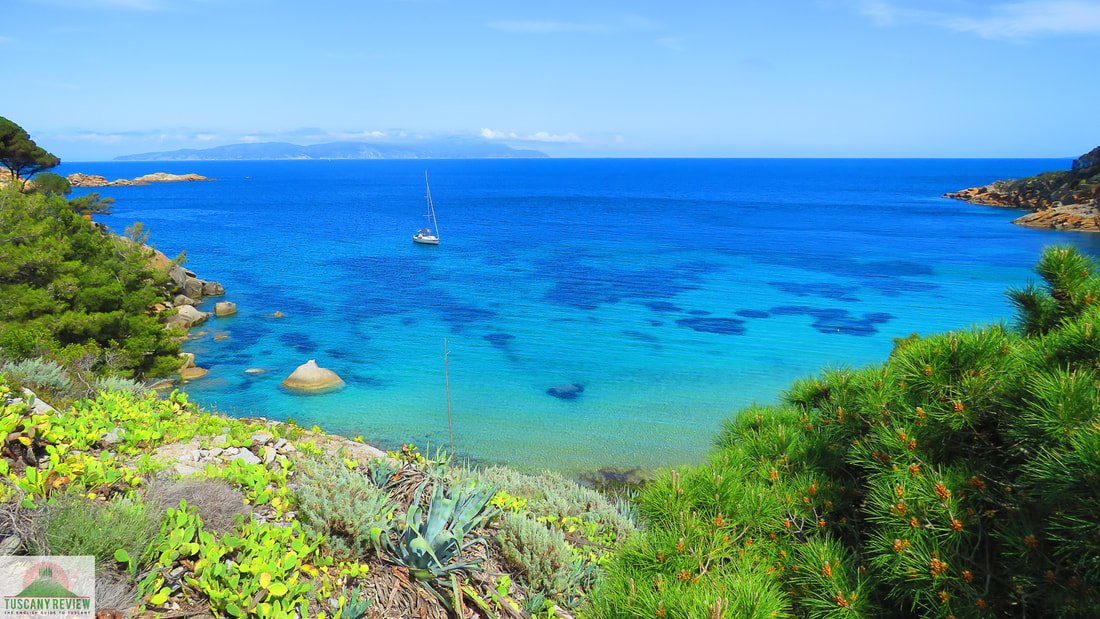
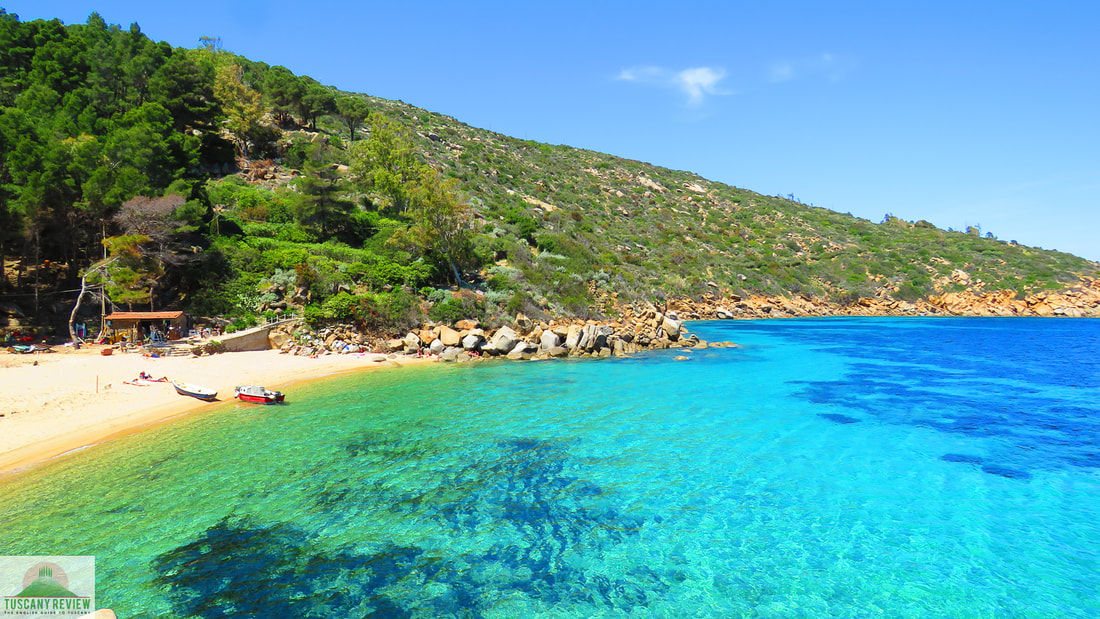
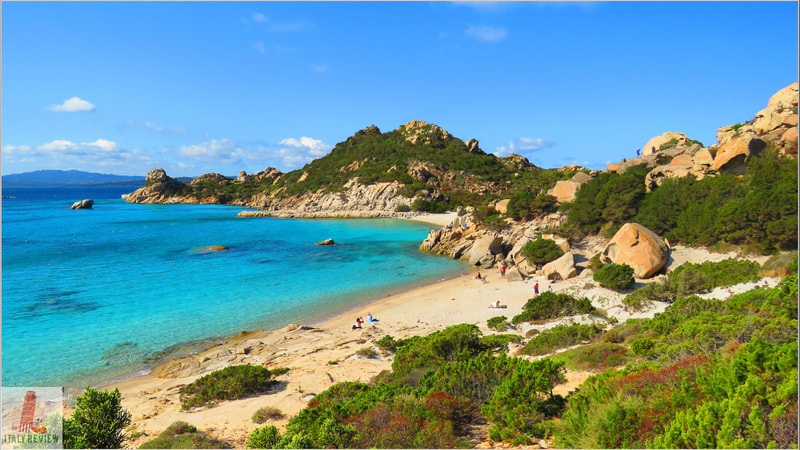
The two standout beaches are Cala delle Cannelle and Cala delle Caldane, easily confused with their similar names. At a distance of just one and a half kilometres from Giglio Porto, it takes around twenty minutes to reach Cala delle Cannelle Beach. The main road leads up the hill, away from the port and on the way you pass another gorgeous bay called Cala dello Smeraldo (Emerald Bay).
If you're planning to explore the whole island in a day then it's best to rent a scooter (if you do, make sure you check it thoroughly before you take it out as they're often faulty), but if you just want to hit the beach you can just get around on foot.
The path to Cala delle Caldane
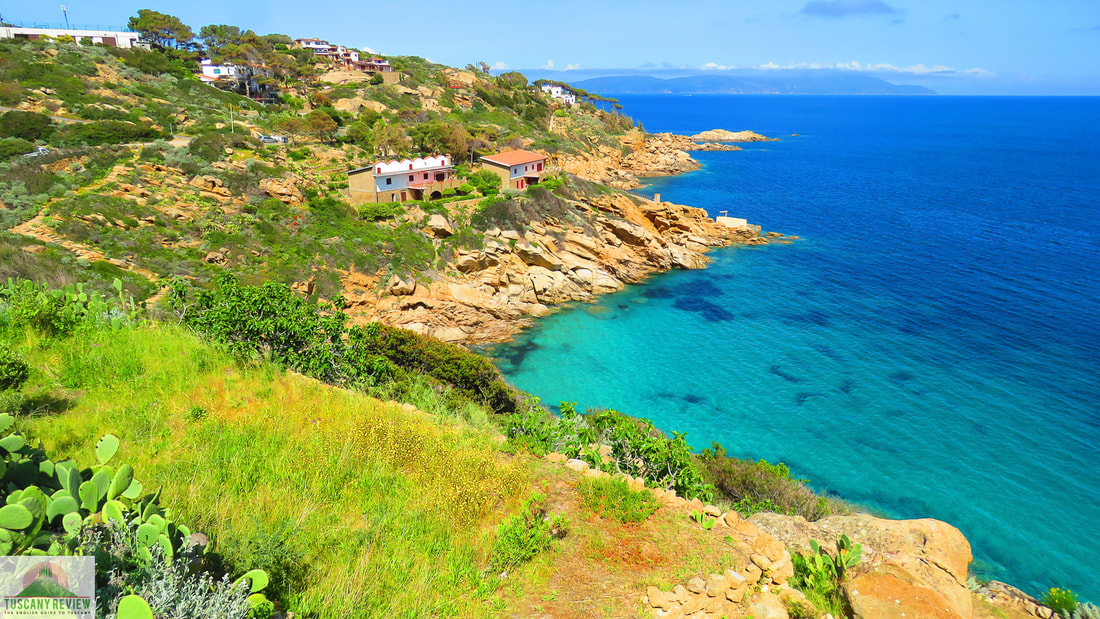
The second of the two most spectacular beaches is Cala delle Caldane which can only be reached by walking. The path leads from Cala delle Cannelle, around the rocky coastline where you will encounter some exceptional scenery, including Punta di Capo Marino. If you just want to park yourself on a beach for the day then Cala della Caldane is just about the prettier, but there are more facilities at Cala delle Cannelle which has a few restaurants to choose from.
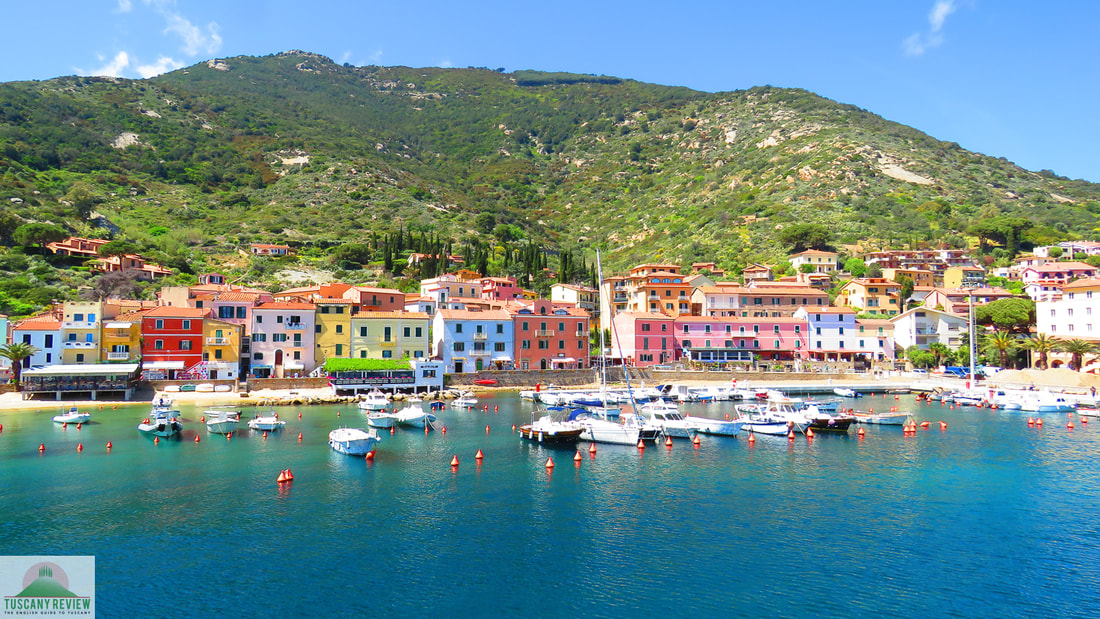
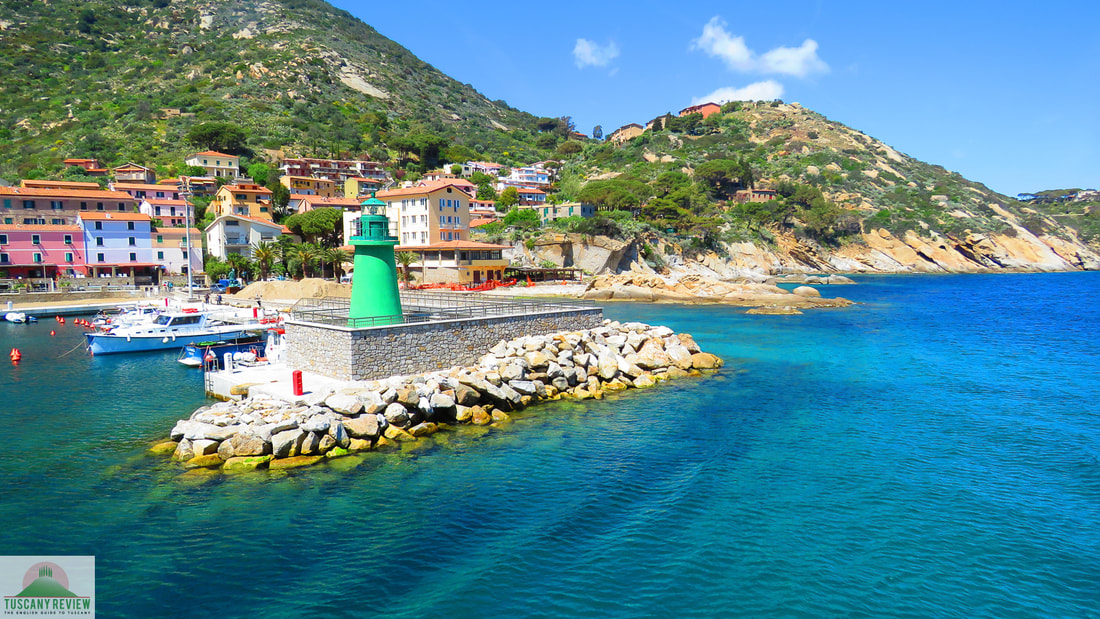
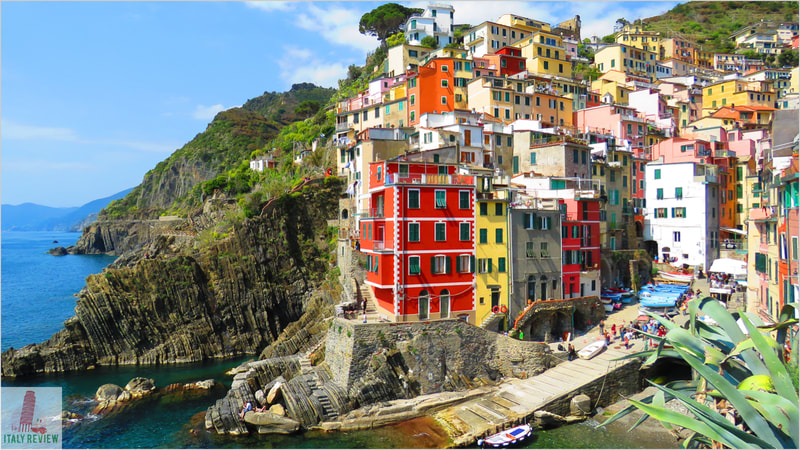
The arrival port in Giglio is, unsurprisingly perhaps, known as Giglio Porto. As alluded to earlier, this in my opinion is one of the prettiest ports in Italy; you pass a lighthouse on the way in where you're then confronted by a row of multi-coloured buildings and sparkling blue seas below, a prominent feature all around Giglio.
Giglio Castello
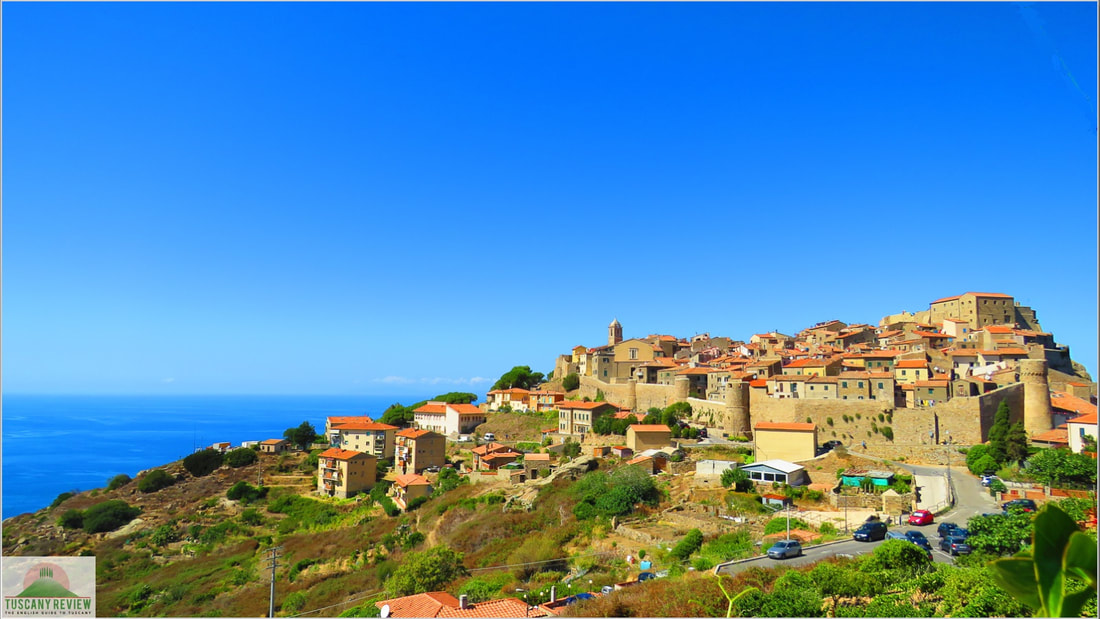
Heading in the opposite direction to the beaches mentioned above, you can find another beach called Arenella and if you continue to climb the road you eventually reach the village of Giglio Castello which is one of the Borghi Più Belli d'Italia (Italy's most beautiful villages). This is a great place to stop for a bite to eat or to admire the views down to the western coast of the island.
The main area of the western coast is occupied by Campese Beach which is more of a resort than an actual town. Here is where you'll find the majority of the island's hotels and restaurants although Giglio Porto is a good alternative for food, drink and shopping.
Giglio hit the news in 2012 when it was the location of the Costa Concordia disaster; the huge cruise ship sinking after hitting a rock slightly to the north of Giglio Porto.
The main area of the western coast is occupied by Campese Beach which is more of a resort than an actual town. Here is where you'll find the majority of the island's hotels and restaurants although Giglio Porto is a good alternative for food, drink and shopping.
Giglio hit the news in 2012 when it was the location of the Costa Concordia disaster; the huge cruise ship sinking after hitting a rock slightly to the north of Giglio Porto.
Getting there
To reach Giglio you need to first make your way to Porto Santo Stefano on the Tuscan mainland. I say mainland but it's actually situated on a kind of island itself called Monte Argentario which is connected to the main mainland via a causeway and a bridge. From Porto Santo Stefano you take a ferry with either Toremar or Maregiglio with a journey time of one hour.
Things to Do
Things to Do in Giglio
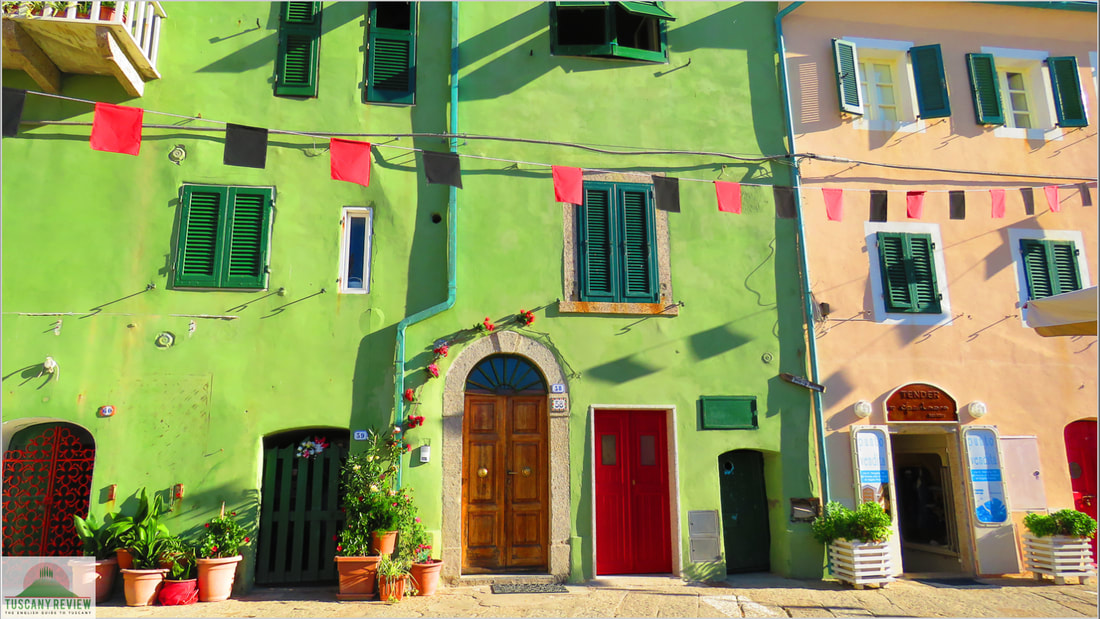
- Giglio Porto is the main village on the island, featuring narrow streets, colourful houses, and a lively harbour. The waterfront is lined with cafés, restaurants, and shops, creating a welcoming atmosphere where visitors can enjoy fresh seafood and watch the daily rhythm of island life.
- Spiaggia Campese is a long sandy beach on the western side of the island, known for its clear waters and gentle waves. The beach is popular for swimming, sunbathing, and water sports such as windsurfing, with facilities that cater to visitors while preserving its natural charm.
- Monte Giove is the island’s highest point, offering hiking trails through Mediterranean scrub and woodland. The summit rewards walkers with panoramic views over the Tyrrhenian Sea, nearby islands, and the rolling hills of Giglio, making it a favourite for outdoor enthusiasts.
- The Church of San Pietro in Giglio Castello is a historic building with a simple yet elegant façade. The church holds significance for the local community and is surrounded by narrow streets and traditional houses, offering a glimpse into the island’s cultural heritage.
- Guided boat tours and nature walks explore Giglio’s coastline, hidden coves, and marine reserves. Local guides share stories about the island’s geology, history, and traditions. These tours often include tastings of regional food and wine, providing a rich cultural and natural experience.
Tours and Activities
Giglio Tours and Activities
Where to Eat
Where to Eat in Giglio
- Da Maria: Located in Giglio Porto, Da Maria has been a long-standing favourite for traditional island cooking. Known for its spaghetti with lobster and grilled catch of the day, the restaurant pairs local flavours with a friendly, no-frills setting. It’s particularly popular in the summer months, so booking ahead is recommended. Price guide: €€€ (Mid-range)
- La Vecchia Pergola: Tucked behind the port, this family-run spot offers outdoor seating shaded by vines and a menu focused on seasonal fish. Highlights include seafood risotto, calamari, and local white wine. The intimate setting and relaxed pace make it ideal for an unhurried evening meal. Price guide: €€€ (Mid-range)
- Punta di Capel Rosso: Situated in the southern part of the island near the lighthouse, this remote restaurant is worth the journey. The views are exceptional, and the food includes regional specialities such as cacciucco and tagliolini with bottarga. It's a good option for those exploring the island by car or scooter. Price guide: €€€ (Mid-range)
- La Porta: In the village of Giglio Castello, La Porta is popular for its island meats, handmade pasta, and dishes inspired by inland Tuscany. The terrace overlooks the surrounding hills, and service is attentive. It’s a good choice if you're visiting the historic centre. Price guide: €€ (Affordable)
- L’Archetto: Also based in Giglio Castello, this small eatery serves a compact but well-executed menu including gnocchi with pesto, grilled meats, and tiramisù. It has a cosy interior and a few tables outside along the narrow lanes. Price guide: €€ (Affordable)
Photo Gallery
Giglio Photo Gallery
Places Close to [Place Name]
Places Close to Giglio
- Porto Santo Stefano (approx. 25 km south of Giglio): A charming coastal town on the Monte Argentario peninsula, Porto Santo Stefano offers a picturesque harbour, stunning views of the sea, and a relaxed atmosphere. Visitors can explore the town’s narrow streets, enjoy seafood at local restaurants, or take boat trips to nearby islands such as Giglio and Giannutri.
- Orbetello (approx. 35 km southeast of Giglio): A historic town located on a narrow strip of land between the Laguna di Orbetello and the sea, Orbetello is known for its medieval walls and scenic surroundings. Visitors can explore the Cathedral of Santa Maria Assunta, enjoy the local wildlife in the lagoon, or relax by the nearby beaches.
- Grosseto (approx. 50 km northeast of Giglio): Known for its medieval walls and charming historic centre, Grosseto offers a mix of cultural heritage and scenic landscapes. Key attractions include the Cathedral of San Lorenzo, the Museo Archeologico, and the surrounding countryside, ideal for hiking and nature walks.
- Civitavecchia (approx. 75 km northwest of Giglio): A busy port town, Civitavecchia serves as the gateway to Rome for many travellers arriving by sea. Visitors can explore the Forte Michelangelo, stroll along the seafront promenade, or enjoy local seafood. The town offers easy access to the capital for day trips while providing a relaxing coastal atmosphere.
- Montalcino (approx. 120 km northeast of Giglio): Known for its famous wine, Brunello di Montalcino, Montalcino is a hilltop town in Tuscany surrounded by vineyards. Visitors can explore the Castello di Montalcino, visit local wineries for tastings, and enjoy the scenic Tuscan countryside. It’s a great destination for those interested in wine, history, and stunning views.
|
Tuscany Top 10 - My Recommended Destinations in Tuscany
1. Florence 2. Siena 3. Val d'Orcia 4. Pisa 5. Lucca 6. San Gimignano 7. Giglio 8. Volterra 9. Pienza 10. Elba 👉 Explore the Top 10 Places to Visit in Tuscany |
How to Get to [Place Name]
How to Get to Giglio
By Rail: Giglio does not have a train station. The nearest rail access is on the mainland at Orbetello-Monte Argentario station, which is served by Trenitalia regional trains. Journey times are approximately 1 hour 40 minutes from Grosseto and around 2 hours from Rome. From the station, travellers can continue by bus or taxi to the port of Porto Santo Stefano, which is around 15 kilometres away.
By Road: To reach Giglio by car, visitors must drive to the port of Porto Santo Stefano on the Monte Argentario peninsula. The drive from Rome takes about 2 hours (roughly 160 kilometres), while from Grosseto it takes approximately 45 minutes. Public parking is available near the ferry terminal, and vehicles can be transported to the island on designated ferry services.
Nearest International Airports:
Ferry Connections:
Porto Santo Stefano: Ferries to Giglio run daily throughout the year, with increased frequency in summer. The crossing takes around 1 hour and arrives at Giglio Porto on the island’s eastern coast. Services carry both foot passengers and vehicles, though advance booking is recommended during peak periods.
By Road: To reach Giglio by car, visitors must drive to the port of Porto Santo Stefano on the Monte Argentario peninsula. The drive from Rome takes about 2 hours (roughly 160 kilometres), while from Grosseto it takes approximately 45 minutes. Public parking is available near the ferry terminal, and vehicles can be transported to the island on designated ferry services.
Nearest International Airports:
- Rome Fiumicino Airport: Located around 150 kilometres from Porto Santo Stefano, with a drive time of about 2 hours. This is the most convenient airport for international visitors heading to Giglio.
- Pisa International Airport: Approximately 210 kilometres from Porto Santo Stefano, the journey takes around 2 hours 45 minutes by car. Suitable for those combining Giglio with other destinations in Tuscany.
Ferry Connections:
Porto Santo Stefano: Ferries to Giglio run daily throughout the year, with increased frequency in summer. The crossing takes around 1 hour and arrives at Giglio Porto on the island’s eastern coast. Services carry both foot passengers and vehicles, though advance booking is recommended during peak periods.
|
Arrival port: Giglio Porto
Journey time from mainland: 1 hour Distance from nearest mainland port: 18 km |
Arrive by: ferry
Arrive from: Porto Santo Stefano Best airports: Rome Fiumicino (159 km), Pisa Airport (218 km) |