Molise
|
Latest page update: 21 June 2025
|
By: Dion Protani
|
Where to Stay
Where to Stay in Molise
Molise offers a small but growing range of well-reviewed hotels, with many properties reflecting the region’s rural setting and historic towns. In the capital, Centrum Palace Hotel & Resort in Campobasso provides modern accommodation close to the city centre, offering spacious rooms, conference facilities and a restaurant that focuses on local ingredients. Also in Campobasso, Hotel San Giorgio is a reliable and long-established choice, appreciated for its convenient position, traditional service and comfortable interiors suited to both leisure and business travellers.
On the coast, Hotel Strand in Termoli is one of the best-rated seaside options, positioned directly on the beach with views of the Adriatic and easy access to the old town. Nearby, Hotel Santa Lucia offers modern rooms, a rooftop terrace and friendly service, making it popular with visitors exploring Termoli’s historic centre and harbour. Inland, Hotel Miletto in Campitello Matese is a well-equipped mountain hotel, providing ski access in winter and hiking routes in summer, along with wellness facilities and panoramic views of the Matese massif.
In the countryside near Isernia, Domus Hotel in Bagnoli del Trigno combines contemporary facilities with a peaceful hilltop setting, featuring a spa and restaurant with views over the valley. Il Duca del Sannio in Agnone is another consistently rated choice, located close to the historic bell foundry and offering comfortable accommodation with a focus on local hospitality.
For visitors looking for a more intimate stay, Hotel La Fonte dell’Astore near Castelpetroso provides wellness treatments and direct access to the nearby sanctuary, while Borgo Tufi in Castel del Giudice offers accommodation within restored stone houses that maintain a strong connection to local architecture. Completing the selection, Hotel Perrella in Bojano is a long-standing family-run property known for its central location, traditional restaurant and welcoming atmosphere.
On the coast, Hotel Strand in Termoli is one of the best-rated seaside options, positioned directly on the beach with views of the Adriatic and easy access to the old town. Nearby, Hotel Santa Lucia offers modern rooms, a rooftop terrace and friendly service, making it popular with visitors exploring Termoli’s historic centre and harbour. Inland, Hotel Miletto in Campitello Matese is a well-equipped mountain hotel, providing ski access in winter and hiking routes in summer, along with wellness facilities and panoramic views of the Matese massif.
In the countryside near Isernia, Domus Hotel in Bagnoli del Trigno combines contemporary facilities with a peaceful hilltop setting, featuring a spa and restaurant with views over the valley. Il Duca del Sannio in Agnone is another consistently rated choice, located close to the historic bell foundry and offering comfortable accommodation with a focus on local hospitality.
For visitors looking for a more intimate stay, Hotel La Fonte dell’Astore near Castelpetroso provides wellness treatments and direct access to the nearby sanctuary, while Borgo Tufi in Castel del Giudice offers accommodation within restored stone houses that maintain a strong connection to local architecture. Completing the selection, Hotel Perrella in Bojano is a long-standing family-run property known for its central location, traditional restaurant and welcoming atmosphere.
Where is
Where is Molise?
|
Of the twenty regions of Italy, Molise is the second smallest, just edging out the northern region of Valle d'Aosta both in terms of population and square kilometres.
Molise only came into being in 1970 when it was officially separated from the former region of Abruzzi e Molise, dividing the current regions of Abruzzo and Molise into two. Molise now expands from central to southern Italy with the Adriatic Coast to the east and Apennine Mountains to the west. |
Regione Molise
|
Regional capital: Campobasso
Population: 289,413 (in 2024 - source) Size: 4,438 km² Provinces: 2 Highlights: Termoli, Saepinum, Bagnoli Trigno, Cerro al Volturno |
What People Ask About Molise
Is Molise worth visiting?
Yes—Molise is one of Italy’s least visited regions, but it offers a unique combination of unspoilt countryside, traditional hill towns, Adriatic coastline, and archaeological sites. It’s ideal for travellers seeking quiet, authentic destinations.
What are the main attractions in Molise?
Highlights include the Roman ruins at Saepinum, the medieval towns of Agnone and Ferrazzano, the beaches of Termoli, and natural parks like the Majella foothills. Molise also offers a strong food culture and preserved traditions.
How do I get to Molise?
The easiest way to reach Molise is by train or car. Campobasso and Termoli have train stations with regional connections. By car, the region is served by the A14 motorway along the coast and the SS17 and SS87 inland from Naples and Rome.
What is Molise known for?
Molise is known for being off the beaten path, with a rich mix of nature, history, and tradition. It’s famous for handcrafted bells from Agnone, transhumance routes, Roman sites, and its uncrowded coastline along the Adriatic Sea.
When is the best time to visit Molise?
The best times to visit are spring (April to June) and early autumn (September to October), when the weather is comfortable and the landscapes are green. Summer is ideal for beach holidays, while winter suits mountain excursions and skiing.
Related links
Discover
Discover Molise
Geography of Molise
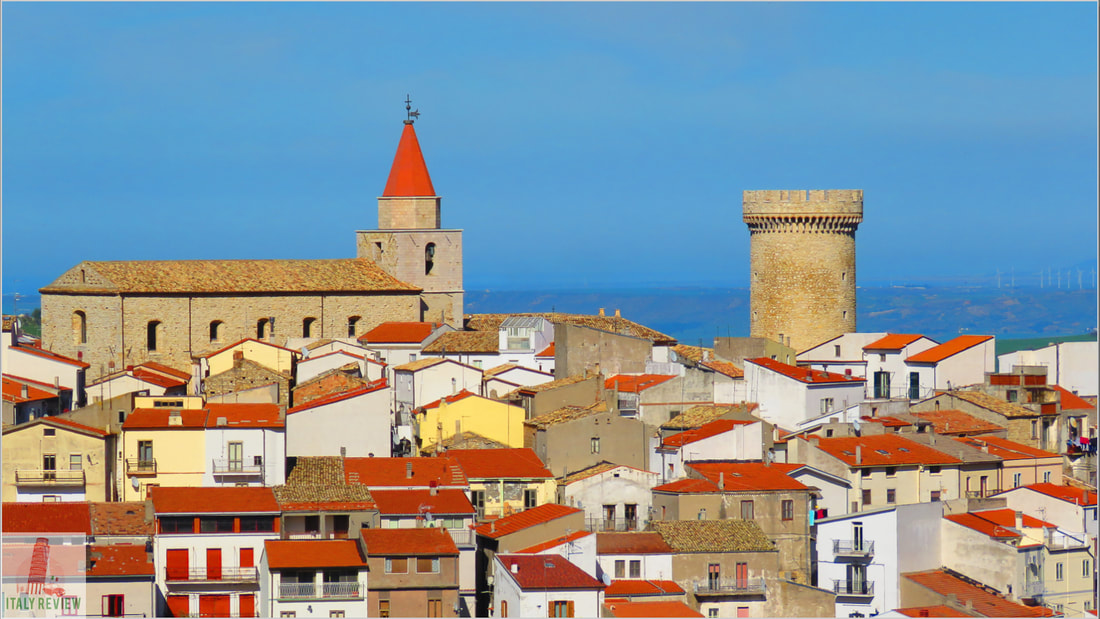
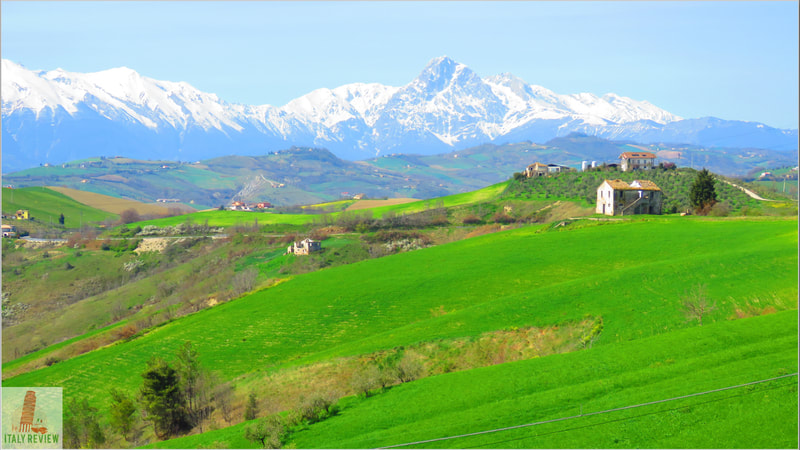
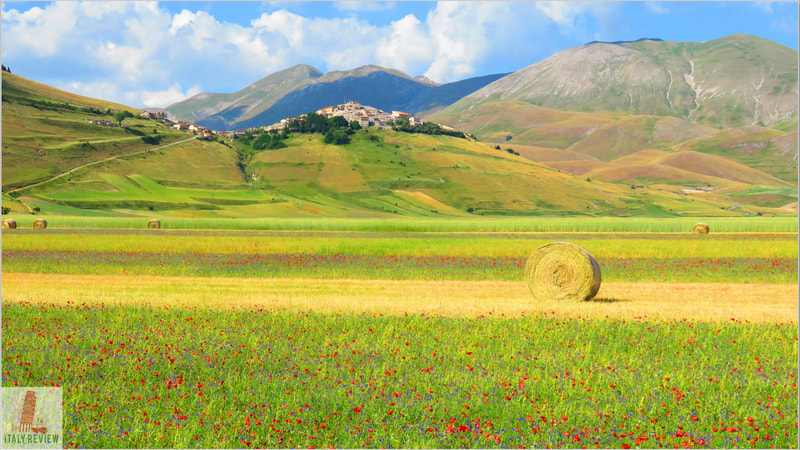
The coastal area is fairly short, stretching around 35 kilometres from Puglia to the south and Abruzzo to the north. Inland, among the hills and narrow roads that wind between them, you eventually reach borders with Lazio and Campania.
By far the largest city in Molise is Campobasso which is both the regional capital as well as the capital of Campobasso Province. As with most of the other Italian regions, Molise is divided into provinces, two in this case, with the other one being Isernia Province.
The city of Isernia is the third most populous in the region and one of fascinating history; it's home to the National Paleolithic Museum, built on a site that dates back some 700,000 years.
By far the largest city in Molise is Campobasso which is both the regional capital as well as the capital of Campobasso Province. As with most of the other Italian regions, Molise is divided into provinces, two in this case, with the other one being Isernia Province.
The city of Isernia is the third most populous in the region and one of fascinating history; it's home to the National Paleolithic Museum, built on a site that dates back some 700,000 years.
Sightseeing Molise
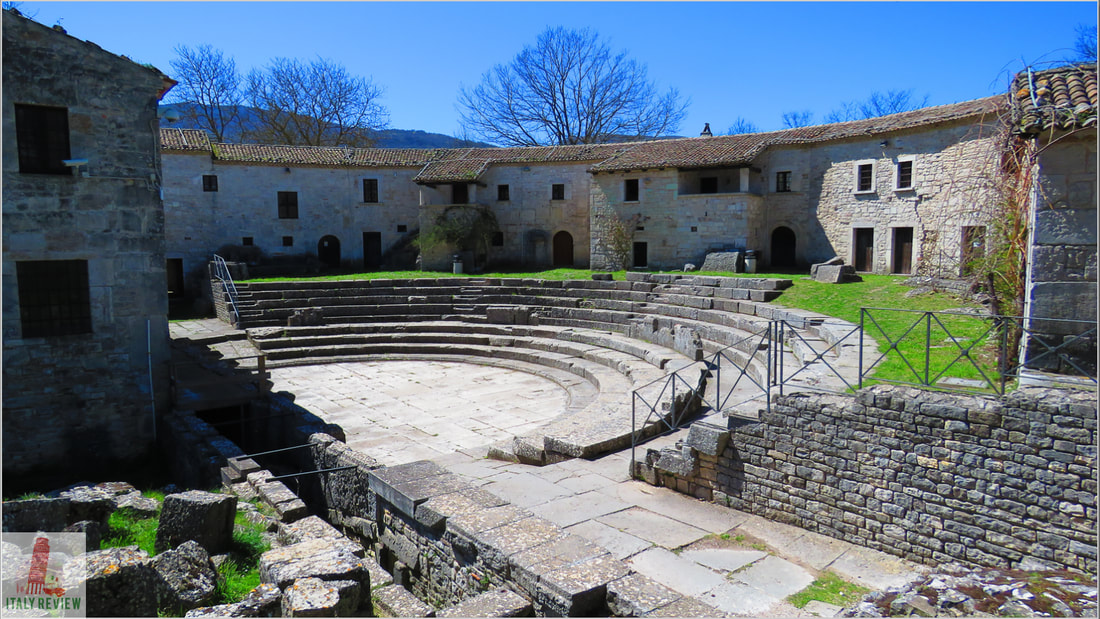
Perhaps the most famous historic sight in Molise is the Archaeological area of Saepinum, close to the border with Campania and the Matese Regional Park. One of the best-preserved archaeological sites in Italy, Saepinum was founded by the Romans and has a wide range of artefacts from the period.
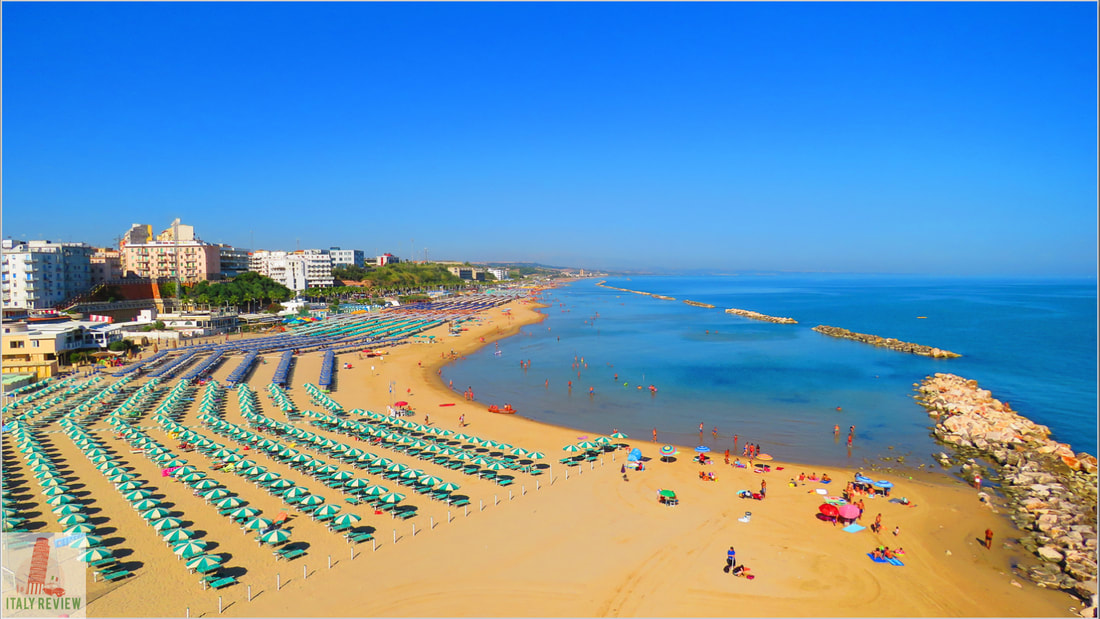
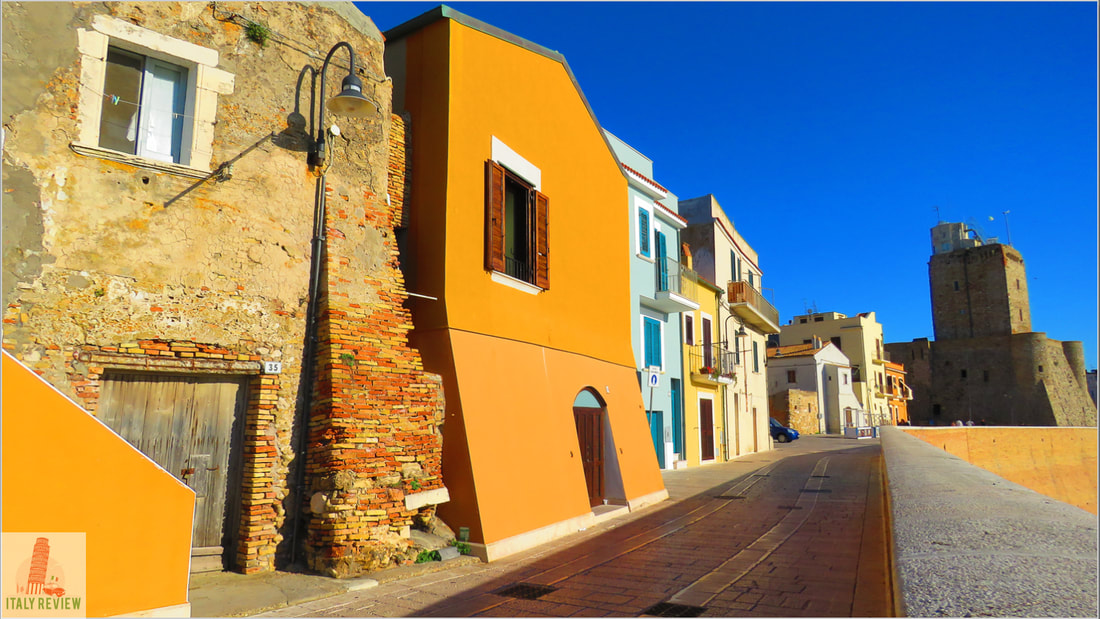
One of the major tourist destinations in Molise is the seaside town of Termoli, the second most populous in the region. It combines a fascinating hill town and centro storico (historic centre) with an expansive sandy beach and modern accommodation options. It's also the most popular port for ferries to the Tremiti Islands in Puglia.
Preserved in nature
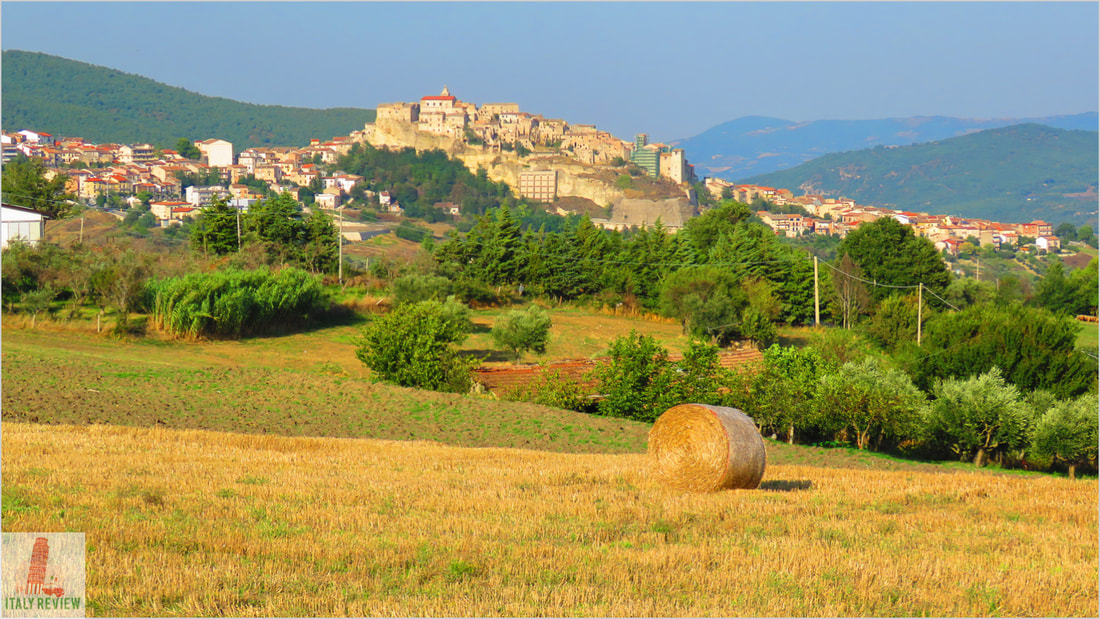
The terrain of Molise is typically one of hills and forests. This attracts hikers who are drawn to its nature trails, among which are a series of ancient paths called Tratturi which were principally used for the transportation of livestock. In recent years, much work has gone into restoring the Tratturi to make them fit for modern use.
In what can be seen as both a positive and a negative, Molise has one of the most under-developed road networks in Italy. The roads can at times cause some frustration, but the positive effect of their lack of maintenance is the preservation of small hill towns and their traditions, unspoilt and untouched by modernity.
Hill towns and ski resorts
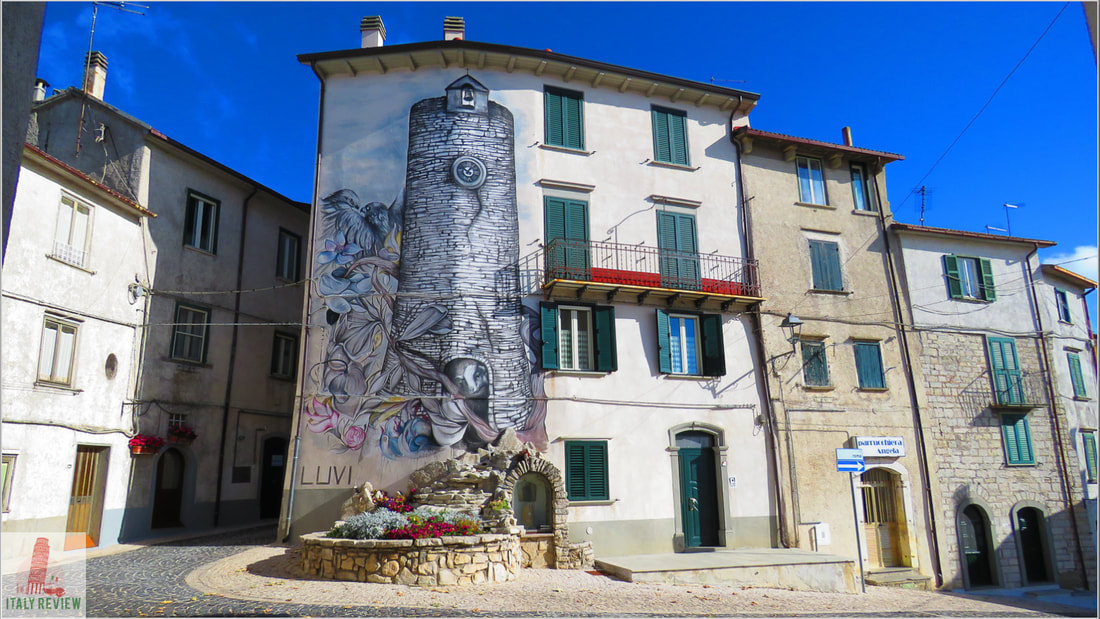
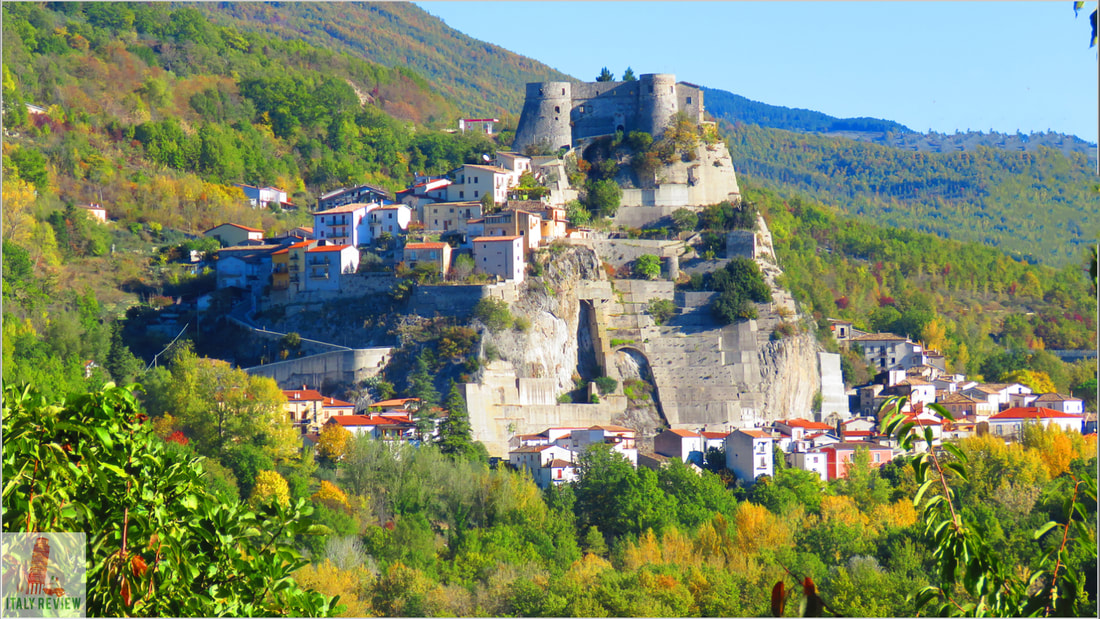
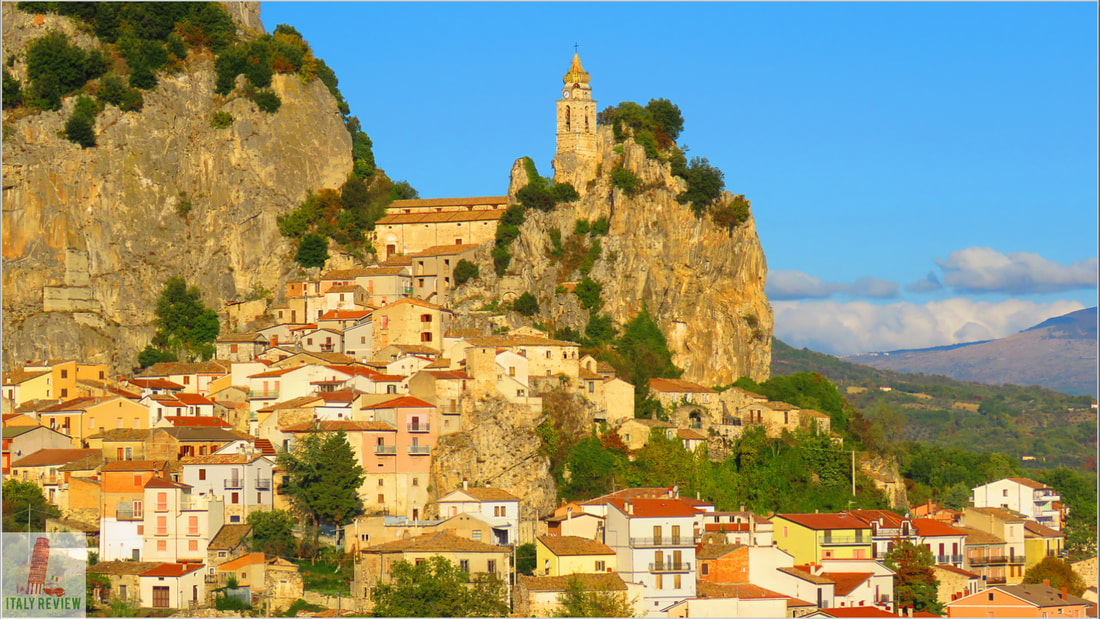
There are dozens of fascinating hills and villages sprinkled throughout the region including Bagnoli del Trigno, Cerro al Volturno and Sant'Angelo Limosano to name just a few. Also, keep an eye out for the town of Civitacampomarano with its artistic murals attracting a new breed of visitor in modern times.
Some of the most elevated ares of Molise become ski resorts during the winter. Among them are the town of Capracotta and the resort of Campitello Matese, both standing around 1,500 metres above sea level.
Things to Do
Things to Do in Molise
- Campobasso and the Castello Monforte form the cultural heart of the region, with a historic centre of stairways, churches, and views across the surrounding hills. The 15th-century castle sits above the town and offers panoramic views, while the Museo Sannitico explores the history of the Samnite people.
- Termoli and the Swabian Castle lie on the Adriatic coast, where a walled old town stands on a promontory overlooking the sea. The Swabian Castle dates to the 13th century and faces the beach, while Termoli’s historic core includes a Romanesque cathedral and colourful fishermen’s houses.
- Agnone and the Marinelli Bell Foundry preserve a centuries-old tradition of bronze bell-making. The foundry, one of the oldest in the world, offers guided tours showing the production process. The town is also known for its Ndocciata torchlight parade and artisan workshops.
- Pietrabbondante and the Samnite Theatre are set in the mountains near Isernia, with archaeological remains of a major pre-Roman sanctuary. The complex includes a theatre with carved stone seats, temples, and views across the Molise countryside. It is one of the most important Samnite sites in Italy.
- Sepino and the Roman Ruins of Saepinum include well-preserved remains of a Roman town, with city walls, gates, a forum, baths, and theatre. The site lies in open countryside at the foot of the Matese mountains and is easily explored on foot, offering insight into rural Roman life.
- Larino and the Roman Amphitheatre feature an oval structure built in the 1st century AD, still visible among fields and olive groves. The modern town includes medieval architecture, a Romanesque-Gothic cathedral, and mosaics from ancient Larinum preserved in the local museum.
- Isernia and the Paleolithic Museum highlight one of the most significant prehistoric sites in Europe. The Museo Nazionale del Paleolitico displays remains from a human settlement over 600,000 years old, while the old town includes fountains, piazzas, and traces of Roman origins.
- Castel San Vincenzo and the Abbey Ruins sit beside a mountain lake in Molise’s north. The area includes the remains of a Benedictine abbey founded in the 8th century and hiking paths into the nearby Abruzzo, Lazio and Molise National Park. The lake is popular for swimming and canoeing in summer.
- Carpinone and the Waterfalls offer a scenic natural attraction near Isernia, with a series of cascades in a wooded valley. The area includes walking trails and views of medieval bridges, with the historic village of Carpinone perched on a nearby ridge.
- Venafro and the Parco Regionale dell’Olivo preserve ancient olive groves on the slopes of the Volturno Valley. The town includes a Roman amphitheatre, cathedral, and the Pandone Castle with frescoes of horses. The olive park is dedicated to centuries-old cultivation traditions in the region.
Tours and Activities
Molise Tours and Activities
What to Eat
What to Eat in Molise
- Cavatelli – Small, shell-shaped pasta made from semolina and water, traditionally hand-rolled using fingers or a knife. Often served with pork ragù, tomato sauce, or broccoli and garlic, it is one of Molise’s most recognisable pasta shapes and a common Sunday dish.
- Pampanella – Slices of pork seasoned heavily with paprika, chilli, garlic, and vinegar, then slow-baked in the oven. Originally from San Martino in Pensilis, it is known for its bold, spicy flavour and is often eaten cold or packed into sandwiches.
- Polenta rognosa – A rustic cornmeal dish served with sausage, pork crackling, and grated cheese, sometimes finished with tomato sauce. Traditionally prepared in large quantities for family meals, especially in colder months, it reflects mountain cooking traditions.
- Agnello cacio e uova – Lamb cooked with beaten eggs and grated pecorino cheese, creating a rich and creamy coating. Typically served during Easter, this dish combines Molise’s pastoral meat traditions with the strong flavours of local sheep’s cheese.
- Baccalà arracanato – Salt cod baked with breadcrumbs, raisins, garlic, and herbs, sometimes with a topping of olives or nuts. A typical Christmas dish, it demonstrates how preserved ingredients were used to make festive meals in inland areas without fresh fish.
- Pizza scima – A dense, yeast-free bread made from flour, water, salt, and olive oil, often baked on hot stones or in wood-fired ovens. Known as ‘silly pizza’, the name comes from a local dialect word and the bread is often served alongside stews or cheese.
- Ravioli scapolesi – Large ravioli filled with a mixture of meat, cheese, eggs, and sometimes cinnamon or nutmeg, served with tomato sauce. This version of ravioli is specific to Scapoli and often made for local festivals and religious celebrations.
- Sagne e fagioli – Strips of hand-cut pasta served in a thick bean soup flavoured with garlic, tomatoes, and sometimes chilli. It is a classic example of cucina povera, combining two simple ingredients to make a hearty and filling meal.
- Fiadone molisano – A savoury Easter pie made with a thin dough and filled with eggs, cheese (often pecorino or parmigiano), and sometimes sausage. Found across central and southern Molise, it is baked until golden and eaten warm or cold.
- Mostarda d’uva – A thick grape must preserve made by boiling down local grapes with spices and flour to create a jam-like consistency. Traditionally made during the grape harvest, it is used to fill pastries or eaten with bread during autumn months.
Photo Gallery
Molise Photo Gallery
Molise Top 10 - My Recommended Destinations in Molise
1. Termoli
2. Saepinum
3. Campobasso
4. Capracotta
5. Sant'Angelo Limosano
6. Bagnoli del Trigno
7. Isernia
8. Cerro al Volturno
9. Civitacampomarano
10. Campitello Matese
👉 Explore the Top 10 Places to Visit in Molise
1. Termoli
2. Saepinum
3. Campobasso
4. Capracotta
5. Sant'Angelo Limosano
6. Bagnoli del Trigno
7. Isernia
8. Cerro al Volturno
9. Civitacampomarano
10. Campitello Matese
👉 Explore the Top 10 Places to Visit in Molise
How to Get to [Place Name]
How to Get to Molise
By Rail: Molise is served by Trenitalia regional trains, with main railway lines connecting Campobasso, Isernia, and Termoli. Key routes include Campobasso to Rome via Isernia and Termoli to Pescara along the Adriatic coast. Journey times are approximately 3 hours from Rome to Campobasso and 1 hour from Termoli to Pescara. Stations are located in or near town centres, with local buses providing onward connections across the region.
By Road: Molise is well connected by road via the SS17, SS647, and SS16 coastal routes, as well as the A14 motorway along the Adriatic side. The drive from Rome to Campobasso takes about 2 hours and 45 minutes, while from Naples to Isernia is around 1 hour and 30 minutes. From Pescara to Termoli, the journey takes just over 1 hour. Public parking is generally available in town centres and near major attractions.
Nearest International Airports:
By Road: Molise is well connected by road via the SS17, SS647, and SS16 coastal routes, as well as the A14 motorway along the Adriatic side. The drive from Rome to Campobasso takes about 2 hours and 45 minutes, while from Naples to Isernia is around 1 hour and 30 minutes. From Pescara to Termoli, the journey takes just over 1 hour. Public parking is generally available in town centres and near major attractions.
Nearest International Airports:
- Naples Airport (Aeroporto di Napoli Capodichino): Located about 110 kilometres south-west of Isernia and 140 kilometres from Campobasso. The drive takes approximately 1 hour and 30 minutes.
- Pescara Airport (Aeroporto di Pescara Abruzzo): Around 110 kilometres north of Termoli, reachable in about 1 hour and 30 minutes. It offers domestic and selected European flights.
- Rome Ciampino Airport (Aeroporto di Roma Ciampino G. B. Pastine): Approximately 180 kilometres west of Campobasso, with a driving time of around 2 hours and 45 minutes.
Private Transfers
Molise Private Transfers
A private transfer offers a convenient and reliable way to travel to or from Molise, connecting you comfortably with other parts of southern and central Italy. You’ll be collected directly from your chosen location and driven by a professional local driver, making your journey smooth and straightforward without the need for train connections or car hire.
Private transfers can be arranged to and from Naples International Airport, Rome Fiumicino Airport, and Rome Ciampino Airport, all offering access for both arrivals and departures. Depending on your destination within Molise, journey times typically range between 1 hour 30 minutes and 3 hours by car. Transfers can also be organised to major towns such as Campobasso, Isernia, and Termoli, or to nearby regions including Abruzzo, Puglia, and Lazio.
To request a quote or check availability for a private transfer, just fill out the short form below and we’ll get back to you with all the details.
Private transfers can be arranged to and from Naples International Airport, Rome Fiumicino Airport, and Rome Ciampino Airport, all offering access for both arrivals and departures. Depending on your destination within Molise, journey times typically range between 1 hour 30 minutes and 3 hours by car. Transfers can also be organised to major towns such as Campobasso, Isernia, and Termoli, or to nearby regions including Abruzzo, Puglia, and Lazio.
To request a quote or check availability for a private transfer, just fill out the short form below and we’ll get back to you with all the details.
Molise by Category
Beach Resorts of Molise
Hill Towns of Molise
Major Cities and Towns of Molise
Molise's Borghi Piu Belli d'Italia
Scenic Towns of Molise
Ski Resorts of Molise
Things to see in Molise
Hill Towns of Molise
Major Cities and Towns of Molise
Molise's Borghi Piu Belli d'Italia
Scenic Towns of Molise
Ski Resorts of Molise
Things to see in Molise
Molise Destinations A-Z
Agnone
Bagnoli del Trigno
Campitello Matese
Campobasso
Campomarino Lido
Capracotta
Castel San Vincenzo
Castelpetroso
Cerro al Volturno
Civita Superiore di Bojano
Civitacampomarano
Colletorto
Fornelli
Frosolone
Guardialfiera
Isernia
Jelsi
Larino
Limosano
Marina di Montenero
Montenero di Bisaccia
Monteroduni
Oratino
Pesche
Pescolanciano
Petacciato Marina
Pietrabbondante
Pizzone
Rocchetta a Volturno
Sant'Angelo Limosano
Sepino
Termoli
Trivento
Vastogirardi
Venafro
Bagnoli del Trigno
Campitello Matese
Campobasso
Campomarino Lido
Capracotta
Castel San Vincenzo
Castelpetroso
Cerro al Volturno
Civita Superiore di Bojano
Civitacampomarano
Colletorto
Fornelli
Frosolone
Guardialfiera
Isernia
Jelsi
Larino
Limosano
Marina di Montenero
Montenero di Bisaccia
Monteroduni
Oratino
Pesche
Pescolanciano
Petacciato Marina
Pietrabbondante
Pizzone
Rocchetta a Volturno
Sant'Angelo Limosano
Sepino
Termoli
Trivento
Vastogirardi
Venafro