Erto e Casso
|
Latest page update: 25 May 2025
|
By: Dion Protani
|
Where to Stay
Where to Stay in Erto e Casso
Accommodation options in Erto e Casso are very limited, with the village offering mainly small guesthouses and simple mountain lodgings that reflect its isolated Alpine setting. Travellers looking for established hotels with fuller facilities and stronger guest feedback will find better options in nearby towns within the Province of Pordenone, particularly in Spilimbergo, which provides a more reliable hotel base.
In Spilimbergo, Grand Hotel President offers comfortable rooms, a restaurant and a convenient position for exploring the town (€€). Albergo Roma provides a traditional stay with well-maintained rooms, friendly service and steady reviews for value and comfort (€€). For a quieter alternative, Albergo Belvedere in nearby Sequals offers a relaxed countryside setting, welcoming hospitality and a solid reputation for guest satisfaction (€€).
Where is
Where is Erto e Casso?
|
The village of Erto e Casso is situated within the Province of Pordenone and has a population of around 370 residents. It stands at an elevation of 775 metres above sea level.
Places of interest nearby include the towns of Barcis, Poffabro, Maniago, Spilimbergo and Polcenigo while the recommended accommodation for Erto e Casso is La Voce del Tempo hotel. |
Comune di Erto e Casso
|
Territory: UTI delle Valli e delle Dolomiti Friulane
Region: Friuli Venezia Giulia Population: 362 (in 2024 - source) Size: 52 km² Elevation: 775 metres Close by: Barcis, Poffabro, Maniago, Spilimbergo, Polcenigo Recommended hotel: La Voce del Tempo |
What People Ask About Erto e Casso, Friuli Venezia Giulia
Is Erto e Casso worth visiting?
Yes, Erto e Casso is worth visiting for its striking mountain setting, historic stone villages, and the poignant history of the Vajont Valley. It offers a mix of culture, remembrance, and nature within the Friulian Dolomites.
How do I get to Erto e Casso?
Erto e Casso can be reached by car via the SS251 through the Val Cellina and Vajont areas, around 1 hour 20 minutes from Pordenone and about 1 hour from Belluno. Public transport is limited; the nearest train stations are Maniago and Ponte nelle Alpi, followed by regional buses and local services.
What are the main attractions in Erto e Casso?
Highlights include the historic centres of Erto and Casso with their stone houses, viewpoints over the Vajont Valley and dam, and trails in the Friulian Dolomites Natural Park. There are visitor routes and guided experiences that explain the 1963 Vajont tragedy and the landscape it shaped.
When is the best time to visit Erto e Casso?
Late spring to early autumn is best for hiking and exploring the villages in mild weather. Autumn brings clear views and colourful foliage. Winter is very quiet; some mountain roads, paths, or services may be limited by snow and ice.
How long should I stay in Erto e Casso?
One full day is enough to visit both villages, viewpoints, and key remembrance sites. Stay two days if you plan to walk longer park trails or explore nearby valleys in the Friulian Dolomites.
Related links
Discover
Discover Erto e Casso
Erto e Casso is a mountain municipality in Friuli Venezia Giulia, located in the Vajont Valley within the Friulian Dolomites. The two villages, Erto and Casso, are set on the steep slopes above the Vajont River, with stone houses, narrow streets and terraced layouts that reflect their alpine origins. The surrounding landscape is marked by dramatic peaks and forests, forming part of the Friulian Dolomites Natural Park.
The area is strongly associated with the Vajont disaster of 1963, when a landslide into the Vajont Dam reservoir caused catastrophic flooding that devastated nearby communities. Both villages preserve memories of this event, alongside their medieval churches and traditional architecture. Today Erto e Casso stand as places of historical significance as well as starting points for trails into the Dolomites, with road connections linking them to Barcis, Longarone and the wider valleys of Friuli Venezia Giulia.
Things to Do
Things to Do in Erto e Casso
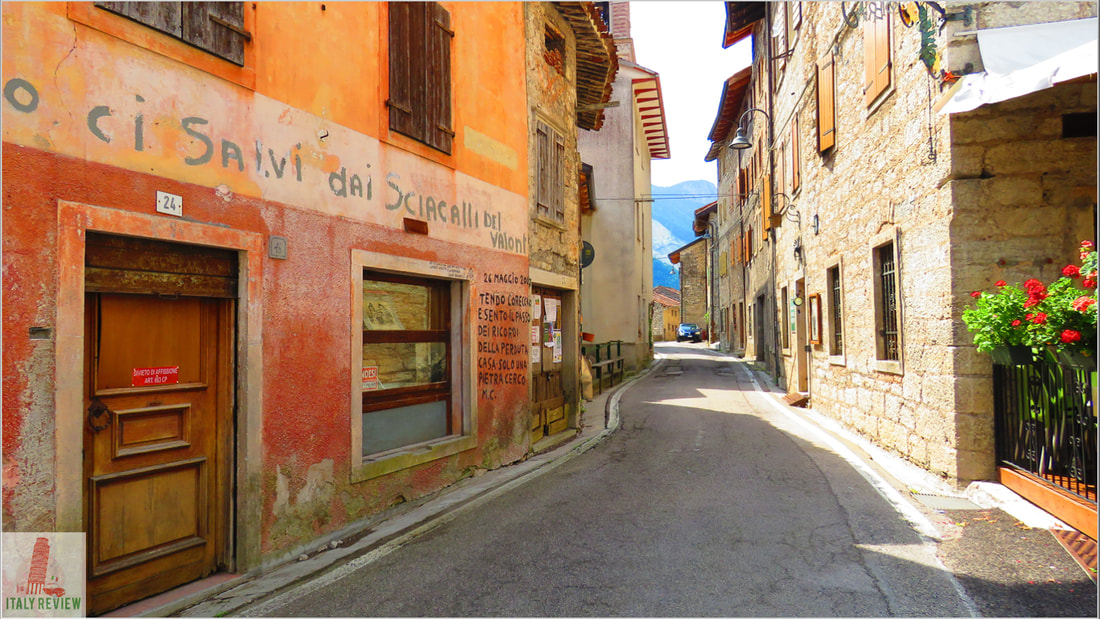
- Centro Storico di Erto is a cluster of stone houses perched on a steep mountainside, with narrow lanes and rustic wooden balconies. The village retains a distinctly Alpine character, shaped by centuries of mountain life. Many buildings still bear marks of the past, including the impact of the Vajont disaster. Its setting offers dramatic views of surrounding peaks and valleys.
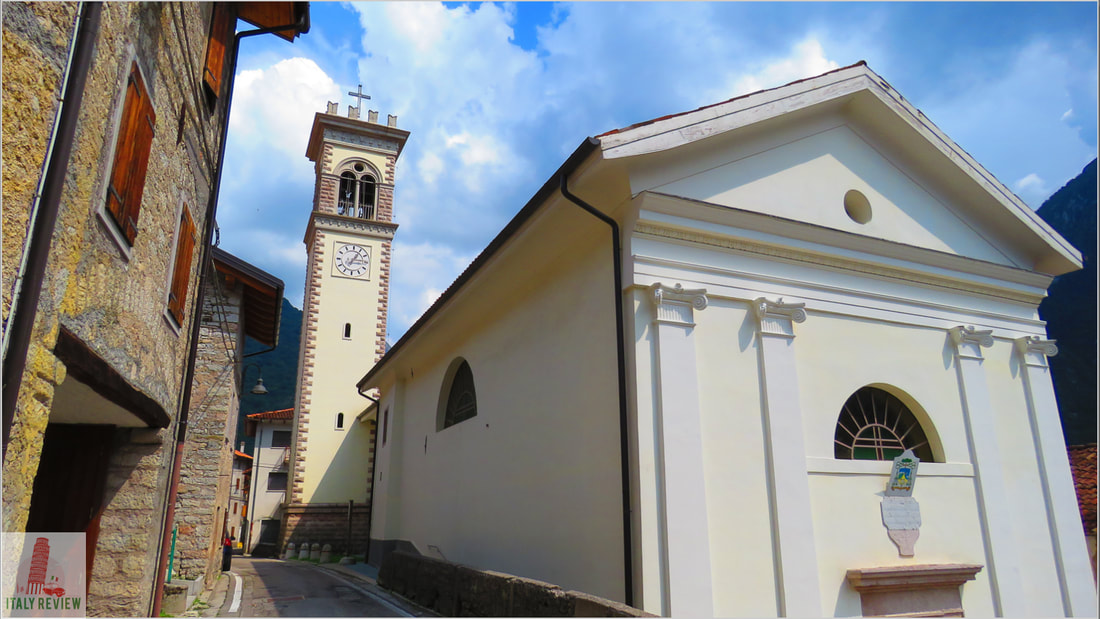
- Chiesa Parrocchiale di Santa Maria Assunta stands in Erto, with a simple stone façade typical of mountain churches. Inside are modest altars and religious artworks. The church has long been a centre of local religious life. It remains a quiet place for reflection amid the village streets.
- Centro Storico di Casso lies slightly lower on the slopes, similarly built in stone with narrow alleys and wooden balconies. Casso offers views of the Vajont valley and the scarred landscape left by the 1963 landslide. Walking through the village gives a sense of resilience and quiet beauty. Its atmosphere is peaceful and reflective.
- Museo Vajont documents the tragic Vajont dam disaster of 1963, which deeply affected both villages. Exhibits include photographs, survivor testimonies, and geological explanations. The museum preserves the memory of the event and the people who lived through it. It’s a moving and educational visit for those interested in history and human resilience.
- Guided walks around Erto e Casso lead visitors along trails overlooking the Vajont dam and the landslide area. Local guides share stories of the disaster, geology, and the cultural history of the valley. Routes vary in length and difficulty. It’s a powerful way to connect with the landscape and understand the villages’ past.
Tours and Activities
Erto e Casso Tours and Activities
Photo Gallery
Erto e Casso Photo Gallery
Friuli-Venezia Giulia Top 10 - My Recommended Destinations
1. Trieste
2. Lakes of Fusine
3. Udine
4. Grado
5. Cividale del Friuli
6. Spilimbergo
7. Palmanova
8. Aquileia
9. Sacile
10. Muggia
👉 Explore the Top 10 Places to Visit in Friuli-Venezia Giulia
1. Trieste
2. Lakes of Fusine
3. Udine
4. Grado
5. Cividale del Friuli
6. Spilimbergo
7. Palmanova
8. Aquileia
9. Sacile
10. Muggia
👉 Explore the Top 10 Places to Visit in Friuli-Venezia Giulia
How to Get to [Place Name]
How to Get to Erto e Casso
By Rail: Erto e Casso does not have its own railway station. The nearest station is in Longarone, about 15 kilometres away, on the Belluno–Calalzo line. From Longarone, regional trains connect to Belluno in around 25 minutes and to Venice in approximately 2 hours. From the station, onward travel to Erto e Casso is possible by car, taxi, or local bus, though services are limited.
By Road: The village lies in the Vajont valley in the Dolomites. From Longarone, the distance is about 15 kilometres, taking around 25 minutes by car. From Belluno, the journey is approximately 45 kilometres, with a driving time of about 1 hour. From Udine, the distance is around 120 kilometres and takes about 2 hours via the A23 and SS251 roads. Parking is available near the village centre and the Vajont Dam site.
Nearest International Airports:
By Road: The village lies in the Vajont valley in the Dolomites. From Longarone, the distance is about 15 kilometres, taking around 25 minutes by car. From Belluno, the journey is approximately 45 kilometres, with a driving time of about 1 hour. From Udine, the distance is around 120 kilometres and takes about 2 hours via the A23 and SS251 roads. Parking is available near the village centre and the Vajont Dam site.
Nearest International Airports:
- Treviso Antonio Canova Airport: Located about 100 kilometres from Erto e Casso, with a driving time of around 1 hour and 40 minutes. It mainly serves low-cost European carriers.
- Venice Marco Polo Airport: Approximately 120 kilometres away, with a journey time of about 2 hours. It is one of Italy’s major airports, with extensive European and intercontinental flights.
- Trieste – Friuli Venezia Giulia Airport: Roughly 160 kilometres from Erto e Casso, taking about 2 hours and 15 minutes by car. It offers domestic services and several European routes.
Private Transfers
Erto e Casso Private Transfers
A private transfer offers a reliable way to reach Erto e Casso, a mountain village in the Dolomites, or to continue your journey to other destinations in Friuli Venezia Giulia and neighbouring regions. You’ll be collected from your chosen location and taken directly to your destination by a professional driver, without the need to organise onward connections or drive alpine roads yourself.
From Erto e Casso, transfers provide access to Trieste – Friuli Venezia Giulia Airport, with longer services also available to Venice Marco Polo Airport and Treviso Airport. They are also a convenient choice for shorter journeys to nearby places such as Barcis, Maniago, and Longarone, or for travelling further into the Dolomites and across to other parts of northern Italy.
To request a quote or check availability for a private transfer, just fill out the short form below and we’ll get back to you with all the details.
From Erto e Casso, transfers provide access to Trieste – Friuli Venezia Giulia Airport, with longer services also available to Venice Marco Polo Airport and Treviso Airport. They are also a convenient choice for shorter journeys to nearby places such as Barcis, Maniago, and Longarone, or for travelling further into the Dolomites and across to other parts of northern Italy.
To request a quote or check availability for a private transfer, just fill out the short form below and we’ll get back to you with all the details.