Santo Stefano di Sessanio
|
Latest page update: 21 May 2025
|
By: Dion Protani
|
Where to Stay
Where to Stay in Santo Stefano di Sessanio
Santo Stefano di Sessanio offers distinctive accommodation in restored stone buildings that preserve the village’s medieval character within the Gran Sasso National Park. Most hotels focus on authenticity and sustainability, with interiors that reflect the area’s historic charm while offering modern amenities.
Sextantio Albergo Diffuso is the best-known option, with rooms set in restored houses across the village, maintaining original materials and furnishings while providing comfort and privacy (€€€). La Locanda del Parco offers simple, comfortable rooms and an on-site restaurant serving traditional Abruzzese cuisine, popular among walkers and cyclists (€€). Residenza La Torre provides well-equipped apartments within historic buildings near the main square, ideal for longer stays and highly rated for atmosphere and location (€€).
Where is
Where is Santo Stefano di Sessanio?
|
The village of Santo Stefano di Sessanio is situated within the Province of l'Aquila and has a population of 116 inhabitants. Listed as one of the "Borghi Più Belli d'Italia" (Italy's most beautiful villages), it stands at an elevation of 1,251 metres above sea level.
Much of the town itself is a hotel while nearby places of interest include Rocca Calascio, Castel del Monte & Castelvecchio Calvisio. |
Comune di Santo Stefano di Sessanio
|
Province: L'Aquila
Region: Abruzzo Population: 110 (in 2024 - source) Size: 33 km² Elevation: 1,251 metres Close by: Rocca Calascio, Castel del Monte, Castelvecchio Calvisio Recommended hotel: Sextantio Albergo Diffuso |
One of I Borghi più belli d'Italia (Italy's Most Beautiful Villages)
Listing headline: Il nido d'Aquila del Gran Sasso (The Eagle's Nest of the Gran Sasso)
What People Ask About Santo Stefano di Sessanio
Is Santo Stefano di Sessanio worth visiting?
Yes, Santo Stefano di Sessanio is worth visiting for its restored medieval architecture, narrow cobbled streets, and location within the Gran Sasso e Monti della Laga National Park. It is one of Italy’s recognised “borghi più belli” (most beautiful villages).
What are the main attractions in Santo Stefano di Sessanio?
Highlights include the Medici Tower, the medieval town walls, and the historic stone houses that have been carefully restored. The surrounding area offers hiking trails across the Apennines, and the Campo Imperatore plateau is nearby.
How do I get to Santo Stefano di Sessanio?
The village does not have its own train station. The nearest station is in L’Aquila, about 30 minutes away by car. From Rome, it takes around 2 hours by car via the A24 motorway. The closest airports are Pescara and Rome Ciampino.
When is the best time to visit Santo Stefano di Sessanio?
The best time to visit is from late spring to early autumn, when the weather is ideal for walking and exploring the national park. Winter also attracts visitors for its snow-covered landscapes and nearby ski resorts.
What food is Santo Stefano di Sessanio known for?
The village is famous for its lentils, known as “lenticchie di Santo Stefano di Sessanio”, a protected product grown in the surrounding highlands. Other local specialities include lamb dishes, cheeses, and hearty mountain cuisine.
Related links
Discover
Discover Santo Stefano di Sessanio
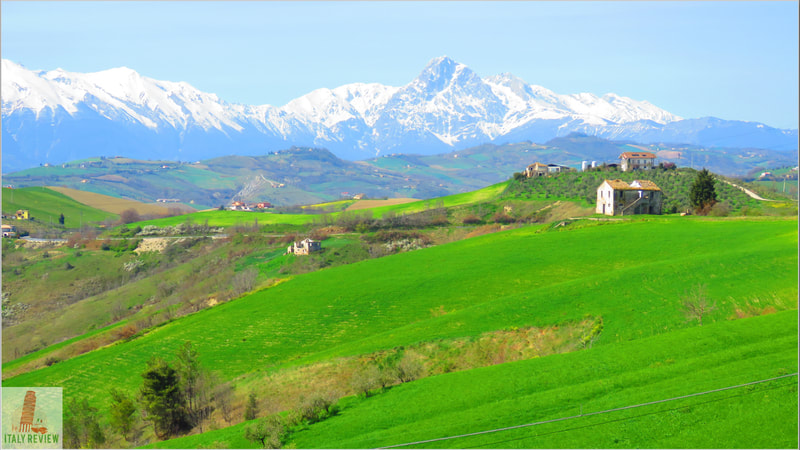
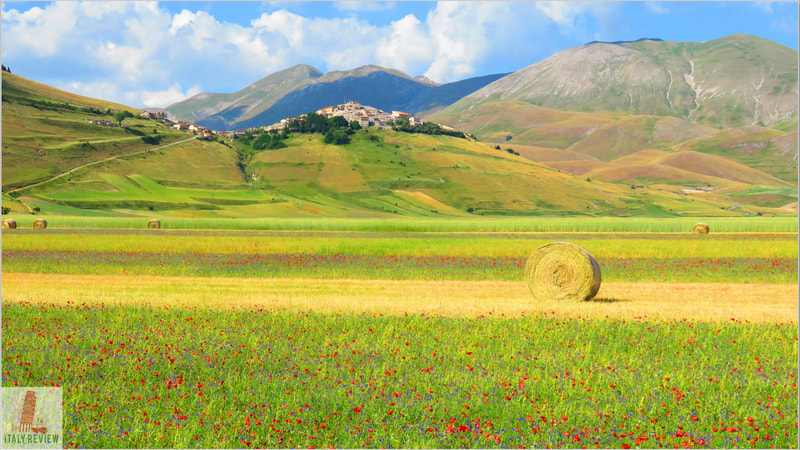
Set high in the Gran Sasso Mountains, Santo Stefano di Sessanio is one of the best-preserved medieval villages in the Abruzzo region, enclosed by the rugged landscapes of the Gran Sasso and Monti della Laga National Park. Built in pale limestone, the settlement rises in concentric tiers around its ancient watchtower, with narrow passageways, vaulted arches, and small courtyards defining its structure. Its elevated position above the Navelli Plain offers wide views across the surrounding peaks and valleys.
The village flourished under Medici rule during the Renaissance, a period that shaped much of its current appearance. Notable landmarks include the Medici Tower, the Church of Santo Stefano Protomartire, and several fortified gateways that mark the entrances to the historic centre. Many of the stone houses have been carefully restored, reflecting the region’s renewed focus on preserving traditional mountain architecture. Positioned near Calascio and Castel del Monte, Santo Stefano di Sessanio forms part of one of Abruzzo’s most historically and architecturally significant mountain routes.
Things to Do
Things to Do in Santo Stefano di Sessanio
- Centro Storico di Santo Stefano di Sessanio is a beautifully preserved medieval village, its narrow alleys paved in worn stone and lined with pale limestone houses. Arched passageways, carved wooden doors, and ancient towers add to its timeless atmosphere. The village sits high on a hill within the Gran Sasso National Park, surrounded by sweeping mountain views. Wandering these streets feels like stepping into a living page of history.
- Torre Medicea rises prominently above the rooftops, a cylindrical tower originally built by the Medici family in the 16th century. Though partially damaged by earthquakes, it remains a powerful symbol of the village’s noble past. The tower once guarded the trade routes and protected Santo Stefano’s wealth. Its silhouette still dominates the skyline, embodying the village’s medieval strength and heritage.
- Chiesa di Santo Stefano Protomartire stands quietly in the village centre, with a modest stone façade and understated elegance. Inside, visitors find wooden altars, devotional statues, and delicate frescoes reflecting centuries of faith. The church has long served as the heart of religious life and village celebrations. It remains a place of peace and historical significance.
- Piazza Medicea serves as Santo Stefano’s central square, framed by stone buildings and graceful arches. The square hosts markets, traditional events, and conversations among villagers and visitors alike. Cobblestones underfoot and glimpses of distant peaks enhance its rustic beauty. It’s the perfect spot to pause and soak in the tranquil rhythm of mountain village life.
- Guided heritage and nature walks in Santo Stefano di Sessanio take visitors through the village’s medieval lanes, into historic buildings, and out into the surrounding landscapes of the Gran Sasso. Local guides share stories of noble families, wool trading routes, and centuries-old mountain traditions. Tours often include tastings of regional delicacies like lentils, cheeses, and artisanal honey. Exploring with a guide reveals the rich cultural and natural tapestry woven into this remarkable village.
Tours and Activities
Santo Stefano di Sessanio Tours and Activities
Photo Gallery
Santo Stefano di Sessanio Photo Gallery
Abruzzo Top 10 - My Recommended Destinations in Abruzzo
1. Gran Sasso & Monti della Laga National Park
2. Rocca Calascio
3. Abruzzo, Lazio and Molise National Park
4. Campo Imperatore
5. Majella National Park
6. Roccascalegna
7. Vasto
8. Barrea
9. Sulmona
10. Ortona
👉 Explore the Top 10 Places to Visit in Abruzzo
1. Gran Sasso & Monti della Laga National Park
2. Rocca Calascio
3. Abruzzo, Lazio and Molise National Park
4. Campo Imperatore
5. Majella National Park
6. Roccascalegna
7. Vasto
8. Barrea
9. Sulmona
10. Ortona
👉 Explore the Top 10 Places to Visit in Abruzzo
How to Get to [Place Name]
How to Get to Santo Stefano di Sessanio
By Rail: The nearest train station to Santo Stefano di Sessanio is in L’Aquila, approximately 30 kilometres away. The station lies on the Terni–Sulmona line, operated by Trenitalia, with regional services. Trains from L’Aquila reach Terni in about 2 hours and Sulmona in roughly 1 hour and 20 minutes. From L’Aquila, buses and taxis run regularly to Santo Stefano di Sessanio and other villages within the Gran Sasso e Monti della Laga National Park.
By Road: Santo Stefano di Sessanio is located in the province of L’Aquila, Abruzzo, within the Gran Sasso mountain range. From L’Aquila, the drive is around 30 kilometres and takes about 40 minutes via the SS17 and SP97. From Sulmona, it is approximately 55 kilometres and takes roughly 1 hour by car. Parking is available just outside the village walls, as the centre is pedestrian-only.
Nearest International Airports:
By Road: Santo Stefano di Sessanio is located in the province of L’Aquila, Abruzzo, within the Gran Sasso mountain range. From L’Aquila, the drive is around 30 kilometres and takes about 40 minutes via the SS17 and SP97. From Sulmona, it is approximately 55 kilometres and takes roughly 1 hour by car. Parking is available just outside the village walls, as the centre is pedestrian-only.
Nearest International Airports:
- Rome Ciampino Airport: Approximately 140 kilometres from Santo Stefano di Sessanio, with a driving time of around 1 hour and 50 minutes via the A24 motorway. It is the nearest airport, offering a range of European flights.
- Rome Fiumicino Airport: Located about 165 kilometres southwest, taking roughly 2 hours and 10 minutes by car via the A24 and A90. A major hub for long-haul and intercontinental arrivals.
- Pescara Abruzzo Airport: Around 100 kilometres east, with a journey time of approximately 1 hour and 30 minutes via the A25 motorway. Convenient for domestic and short-haul European connections.
Private Transfers
Santo Stefano di Sessanio Private Transfers
A private transfer provides a comfortable and reliable way to reach Santo Stefano di Sessanio or continue your journey from the village to other destinations in Abruzzo and nearby regions. You’ll be collected directly from your chosen location and driven by a professional local driver, ensuring a smooth and relaxed journey without the need for car hire or public transport.
Private transfers can be arranged to and from Abruzzo Airport in Pescara, as well as Rome Fiumicino Airport and Rome Ciampino Airport, which both provide excellent access to the area. The journey from Pescara to Santo Stefano di Sessanio generally takes around 1 hour 30 minutes by car, depending on traffic. Transfers can also be organised to L’Aquila, Calascio, and Castel del Monte, or to nearby destinations such as Assergi, Navelli, and Caporciano.
To request a quote or check availability for a private transfer, just fill out the short form below and we’ll get back to you with all the details.
Private transfers can be arranged to and from Abruzzo Airport in Pescara, as well as Rome Fiumicino Airport and Rome Ciampino Airport, which both provide excellent access to the area. The journey from Pescara to Santo Stefano di Sessanio generally takes around 1 hour 30 minutes by car, depending on traffic. Transfers can also be organised to L’Aquila, Calascio, and Castel del Monte, or to nearby destinations such as Assergi, Navelli, and Caporciano.
To request a quote or check availability for a private transfer, just fill out the short form below and we’ll get back to you with all the details.