Campobasso
|
Latest page update: 21 June 2025
|
By: Dion Protani
|
Where to Stay
Where to Stay in Campobasso
Campobasso offers a solid choice of well-established hotels catering to both business and leisure travellers. Most are centrally located, with modern facilities and consistently strong guest reviews for comfort and service.
Centrum Palace Hotel & Resorts is a leading option near the town centre, featuring modern rooms, a restaurant and excellent feedback for both convenience and hospitality (€€). Hotel San Giorgio provides comfortable, well-equipped rooms with on-site dining and reliable service, popular among visitors for its location and value (€€). For those seeking a slightly more refined stay, Hotel Rinascimento offers stylish interiors, a restaurant and positive reviews for its comfort and attention to detail (€€€).
Where is
Where is Campobasso?
|
Without question the most important city in Molise, Campobasso ("low field" in English) is the regional capital as well as the capital of its own province. Its 50,000 population is more than double that of Isernia, the region's second city.
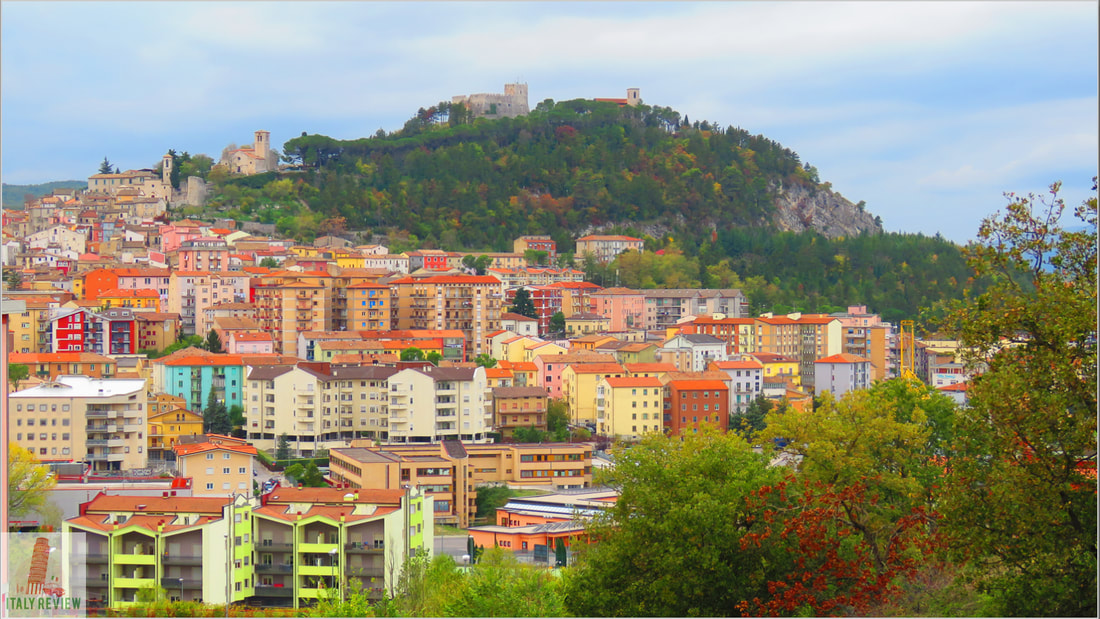
A good starting point for any visit to Campobasso is Castello Monforte, a 15th century castle which sits on a hill overlooking the city. If you have a car it's easy to drive up here, park the car and visit the castle from where you can get the best views of Campobasso. |
Within the same complex as the castle, just across the car park is a Romanesque church: Santa Maria del Monte, one of three Romanesque churches all within a short walk of each other. Just to the left of the castle a path leads down the hill to the second church, Chiesa di San Giorgio with its almost identical façade, and then just another short walk along the same descent is the Chiesa di San Bartolomeo with its distinctive bell tower ("campanile" in Italian).
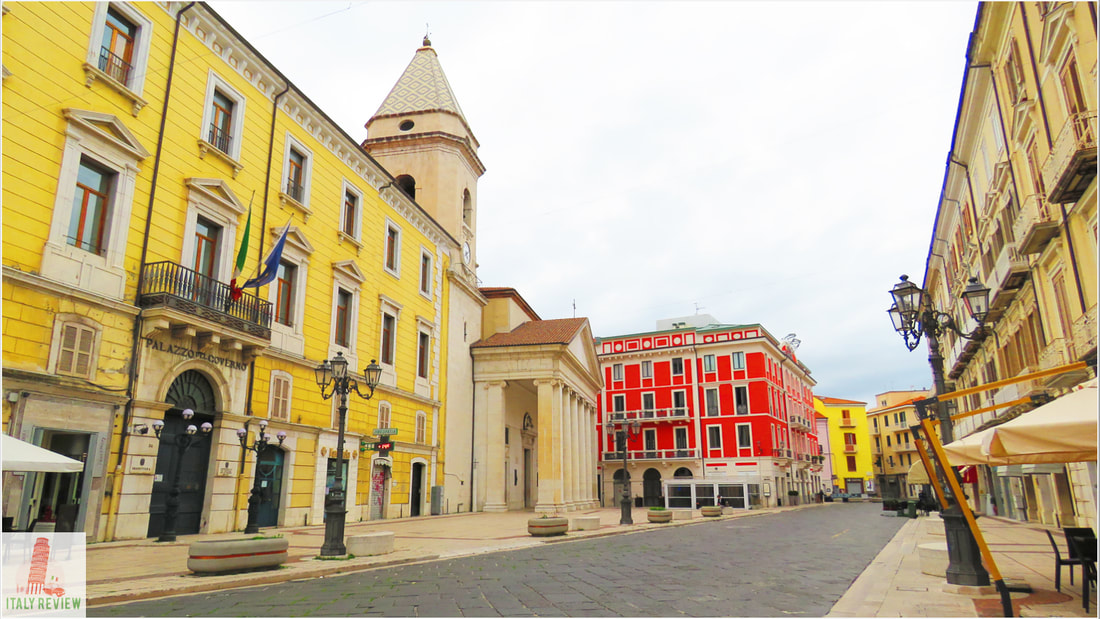
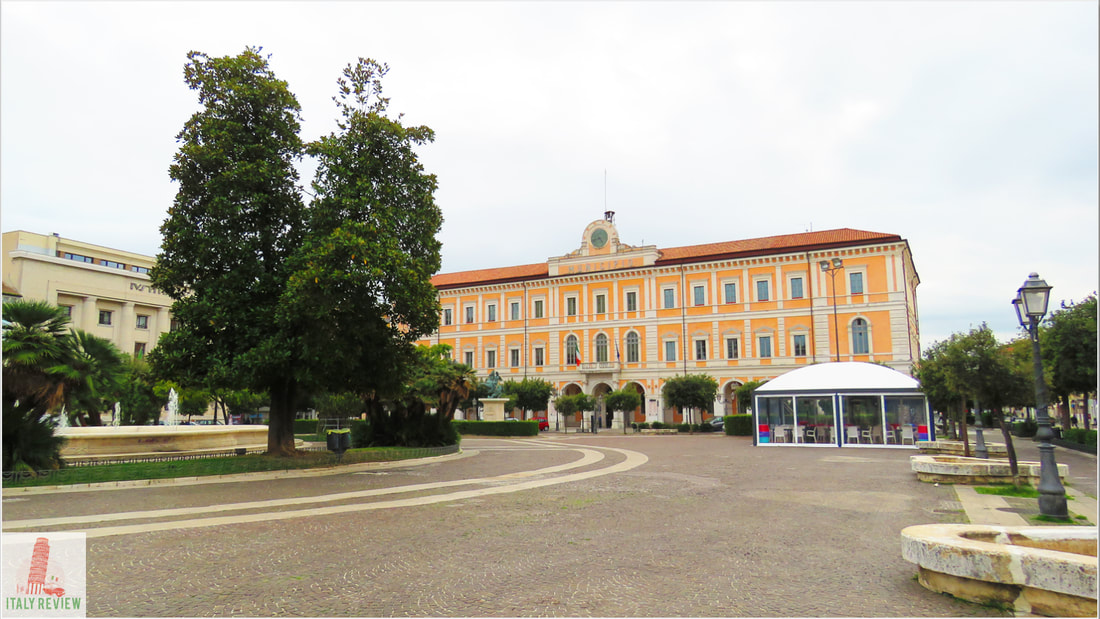
If you don't have a car you can still walk from the town centre up to the castle complex, a walk of around 10 minutes. The centre of Campobasso is quite modern compared to other Italian cities; it was the scene of a bloody battle between German and Canadian troops in World War Two which led to much destruction and subsequent years of rebuilding. The centre of the city lies around the large Piazza Vittorio Emanuele II, and just a short walk from there you'll find another open space, the Piazza Gabriele Pepe, a colourful street with important buildings such as the Cathedral and various municipal structures.
Comune di Campobasso
|
Province: Campobasso
Region: capital of Molise Population: 47,449 (in 2024 - source) Size: 55 km² Elevation: 701 metres Highlights: Castello Monforte, Piazza Gabriele Pepe |
What People Ask About Campobasso, Molise
Is Campobasso worth visiting?
Yes—Campobasso is worth visiting for its rich history, medieval architecture, and central location in Molise. The town offers charming streets, historical landmarks, and great views of the surrounding countryside.
What are the main attractions in Campobasso?
Main attractions include the historic old town, the Campobasso Cathedral, the Castello Monforte, and the Palazzo Ducale. The nearby mountain trails and parks also offer scenic views and nature walks.
How do I get to Campobasso?
Campobasso is well connected by train and road. The town has its own train station with connections to major cities in Molise and beyond. By car, it’s easily reachable from the A14 motorway and SS87 and SS89 roads.
What is Campobasso known for?
Campobasso is known for its medieval old town, historical landmarks, and as the capital of the Molise region. It is also known for its local food, including molisana pasta and traditional Abruzzese dishes.
When is the best time to visit Campobasso?
The best time to visit Campobasso is in spring (April to June) and autumn (September to October), when the weather is mild and ideal for sightseeing. Summer can be warm, but it's also when the town hosts various festivals.
Related links
Discover
Discover Campobasso
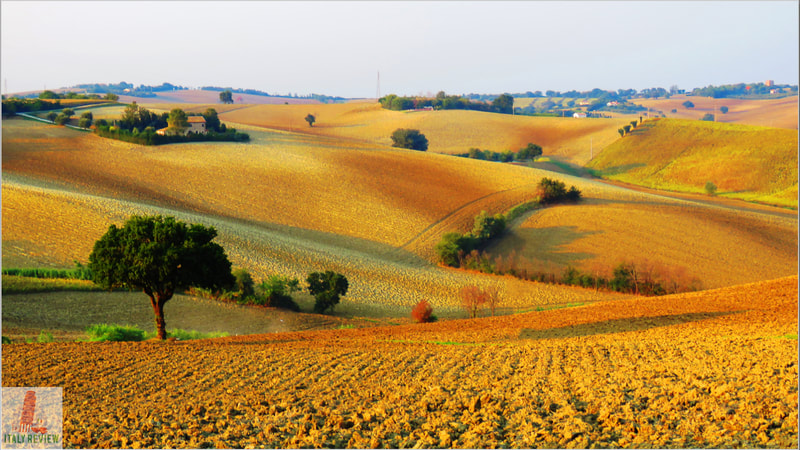
Situated on a hill between the Biferno and Fortore rivers, Campobasso is the capital of Molise and one of southern Italy’s most distinctive inland cities. The historic centre rises above the modern lower town, forming a compact network of medieval streets overlooked by the Castello Monforte. Its elevated position, surrounded by green hills and distant mountains, gives it a commanding view over the Molise countryside and a cooler climate than the coastal areas to the east.
The upper town retains much of its medieval layout, with stone houses, stairways, and narrow alleys winding up towards the castle. Among its landmarks are the Cathedral of the Holy Trinity, the Church of San Bartolomeo, and several historic palazzi reflecting the city’s long history under Norman and Angevin influence. Campobasso is also known for its traditional festivals and its role as a gateway to the mountains of the Matese Range, as well as to nearby towns such as Larino and Bojano.
Things to Do
Things to Do in Campobasso
- Cattedrale di Campobasso is the city’s main church, built in the 11th century and later renovated in a Baroque style. It stands on the site of an earlier church and contains beautiful frescoes, a crypt, and a notable bell tower. The cathedral is a focal point of local religious life and is located in the historic centre of the city.
- Castello Monforte is a medieval castle perched on a hill overlooking Campobasso. The castle, originally built in the 15th century, has been partially restored and serves as a venue for cultural events and exhibitions. From the castle, visitors can enjoy panoramic views of the city and the surrounding countryside.
- Museo Provinciale Sannitico offers an extensive collection of archaeological artefacts from the region, particularly from the Samnite period. Highlights include ancient pottery, statues, and inscriptions that reveal the rich history of the area. The museum is housed in a historic building and is an excellent introduction to Campobasso’s past.
- Piazza Vittorio Emanuele II is the central square of Campobasso, surrounded by neoclassical buildings and the Palazzo San Giorgio. It is a popular gathering place for locals, especially in the evening when cafés and restaurants fill the square. The nearby streets are lined with shops, boutiques, and local markets.
- Guided walking tour of Campobasso’s historic centre explores its medieval lanes, Baroque churches, and picturesque squares. The tour highlights sites such as the Church of San Bartolomeo, the old city gates, and the quaint neighbourhoods of Campobasso Alta. The route provides insight into the city’s long history, from its Samnite roots to its development in the Middle Ages.
Tours and Activities
Campobasso Tours and Activities
Where to Eat
Where to Eat in Campobasso
Dining in Campobasso reflects the authentic flavours of Molise, with menus built around regional ingredients, mountain produce, and traditional family recipes. Most restaurants are found in the old town and along Corso Vittorio Emanuele, where trattorias and osterie offer a relaxed and welcoming atmosphere. The focus is on simple, hearty dishes made with local meats, cheeses, and handmade pasta. Lunch is usually served between 12:30 and 14:30, with dinner beginning from about 19:30.
Local cuisine includes specialities such as cavatelli al ragù molisano (hand-rolled pasta with meat sauce), agnello al forno con patate (roast lamb with potatoes), and peperoni ripieni (stuffed peppers). Cheeses like scamorza and pecorino di Capracotta are common starters, while desserts often feature ostie farcite (wafers filled with almonds and honey). Local wines such as Tintilia del Molise, Biferno Rosso, and Pentro di Isernia are popular, typically €5–€7 by the glass or €18–€30 per bottle.
Typical Prices of Popular Dishes
Antipasto molisano (€10–€14), cavatelli al ragù molisano (€12–€16), agnello al forno con patate (€22–€30), and ostie farcite (€5–€6). A typical meal with wine costs around €35–€45 per person.
Local cuisine includes specialities such as cavatelli al ragù molisano (hand-rolled pasta with meat sauce), agnello al forno con patate (roast lamb with potatoes), and peperoni ripieni (stuffed peppers). Cheeses like scamorza and pecorino di Capracotta are common starters, while desserts often feature ostie farcite (wafers filled with almonds and honey). Local wines such as Tintilia del Molise, Biferno Rosso, and Pentro di Isernia are popular, typically €5–€7 by the glass or €18–€30 per bottle.
Typical Prices of Popular Dishes
Antipasto molisano (€10–€14), cavatelli al ragù molisano (€12–€16), agnello al forno con patate (€22–€30), and ostie farcite (€5–€6). A typical meal with wine costs around €35–€45 per person.
Photo Gallery
Campobasso Photo Gallery
Places Close to [Place Name]
Places Close to Campobasso
- Termoli (approx. 45 km east of Campobasso): A coastal town known for its charming old town and long sandy beaches, Termoli offers a picturesque seafront and a historic centre with the Castello Svevo as its main landmark. Visitors can enjoy strolling through narrow streets, relaxing on the beach, or exploring the port area. Termoli is ideal for those looking for a mix of history and seaside leisure.
- Campomarino (approx. 20 km south of Campobasso): A small town located along the Adriatic coast, Campomarino is known for its quiet beaches and relaxed atmosphere. Visitors can enjoy long walks along the seafront, visit the local markets, or explore the town’s quaint streets. Campomarino offers a peaceful escape for those seeking coastal tranquillity.
- Isernia (approx. 35 km west of Campobasso): A town steeped in history, Isernia is known for its ancient Roman ruins, including the Roman Bridge and the Museo Nazionale del Paleolitico. Visitors can explore the town’s medieval streets, visit the Cathedral of Isernia, or enjoy the surrounding natural beauty. Isernia offers a blend of history, culture, and scenic landscapes.
- Venafro (approx. 45 km northwest of Campobasso): A small town with a rich historical heritage, Venafro is famous for its Roman ruins, including the Roman Theatre and the Museo Archeologico. The town also offers stunning views of the Appennini Mountains, making it ideal for those interested in history and nature. Venafro provides a quiet atmosphere with scenic walks and cultural exploration.
- Roccaraso (approx. 60 km southeast of Campobasso): A popular mountain town known for its ski resorts, Roccaraso offers visitors a range of winter sports in the Majella National Park. In summer, the town is perfect for hiking, cycling, and enjoying the fresh mountain air. Roccaraso is a great destination for outdoor enthusiasts seeking both winter and summer activities.
Molise Top 10 - My Recommended Destinations in Molise
1. Termoli
2. Saepinum
3. Campobasso
4. Capracotta
5. Sant'Angelo Limosano
6. Bagnoli del Trigno
7. Isernia
8. Cerro al Volturno
9. Civitacampomarano
10. Campitello Matese
👉 Explore the Top 10 Places to Visit in Molise
1. Termoli
2. Saepinum
3. Campobasso
4. Capracotta
5. Sant'Angelo Limosano
6. Bagnoli del Trigno
7. Isernia
8. Cerro al Volturno
9. Civitacampomarano
10. Campitello Matese
👉 Explore the Top 10 Places to Visit in Molise
How to Get to [Place Name]
How to Get to Campobasso
Given its geographical position some way from the nearest airports (Naples 158 km and Pescara 169 km), the best ways to reach Campobasso are by car or train. The train station is in the city centre just a short walk from the main piazzas and most of the main sights are within a short walk of the centre, the furthest being the aforementioned Castello Monforte around 10 minutes away.
Campobasso isn't linked to Italy's motorways so if driving you'll be using a combination of the next levels of road down, the "Strade Statale" (with the prefix SS) and the "Strade Provinciali" (prefix SP).
|
Close by: Jelsi, Oratino, Frosolone, Colletorto, Bagnoli del Trigno
Main train station: Stazione Campobasso (city centre) |
Fly to: Naples International Airport (126 km)
Recommended accommodation: Hotel San Giorgio |
Private Transfers
Campobasso Private Transfers
A private transfer provides a comfortable and efficient way to reach Campobasso or continue your journey from the city to other destinations across Molise and central or southern Italy. You’ll be collected directly from your accommodation or chosen location and driven by a professional local driver, allowing you to travel without the need for public transport or car hire.
Private transfers can be arranged to and from Naples International Airport, as well as Rome Fiumicino Airport and Rome Ciampino Airport, all offering convenient access for arrivals and departures. The drive from Naples Airport to Campobasso takes around 1 hour 45 minutes, while transfers from Rome’s airports generally take between 2 and 2 hours 30 minutes depending on traffic. Transfers can also be organised to nearby destinations such as Isernia, Termoli, and Bojano, or to other towns across the Molise region.
To request a quote or check availability for a private transfer, just fill out the short form below and we’ll get back to you with all the details.
Private transfers can be arranged to and from Naples International Airport, as well as Rome Fiumicino Airport and Rome Ciampino Airport, all offering convenient access for arrivals and departures. The drive from Naples Airport to Campobasso takes around 1 hour 45 minutes, while transfers from Rome’s airports generally take between 2 and 2 hours 30 minutes depending on traffic. Transfers can also be organised to nearby destinations such as Isernia, Termoli, and Bojano, or to other towns across the Molise region.
To request a quote or check availability for a private transfer, just fill out the short form below and we’ll get back to you with all the details.