Isernia
|
Latest page update: 21 June 2025
|
By: Dion Protani
|
Where to Stay
Where to Stay in Isernia
Isernia has a fair range of established hotels, serving both visitors to the historic centre and travellers exploring the wider Molise region. Properties here are generally well reviewed for comfort, service and proximity to key routes and attractions.
Hotel La Tequila is a modern choice offering a pool, wellness facilities, on-site dining and consistently positive guest feedback for comfort and convenience (€€). Hotel Europa provides centrally located accommodation with comfortable rooms, a restaurant and reliable ratings for both service and value (€€). Another option is Grand Hotel Europa, set near the town centre, featuring spacious rooms, classic interiors and good reviews for hospitality and amenities (€€€).
Where is
Where is Isernia?
|
The city of Isernia is the capital of the Province of Isernia with a population of 21,749 inhabitants.
It stands at an elevation of 423 metres above sea level and covers a total area of 68 km². The main attractions in Isernia are the Fontana Fraterna, a Romanesque fountain in Piazza Celestino V, and the National Paleolithic Museum. Dating back some 700,000 years, the site represents the oldest evidence of human life in Europe. |
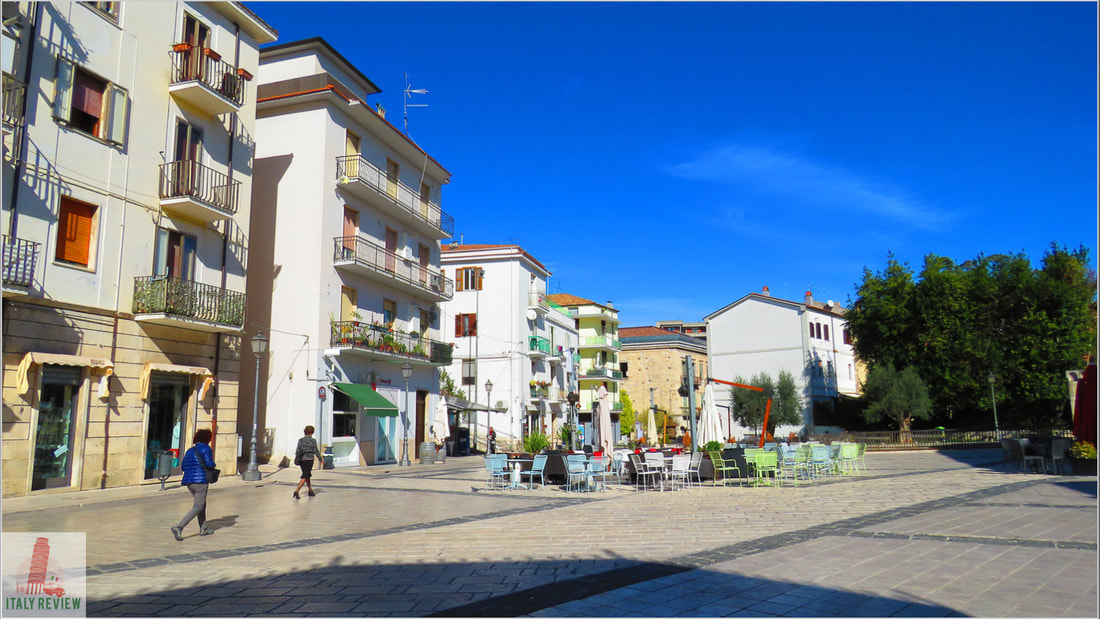
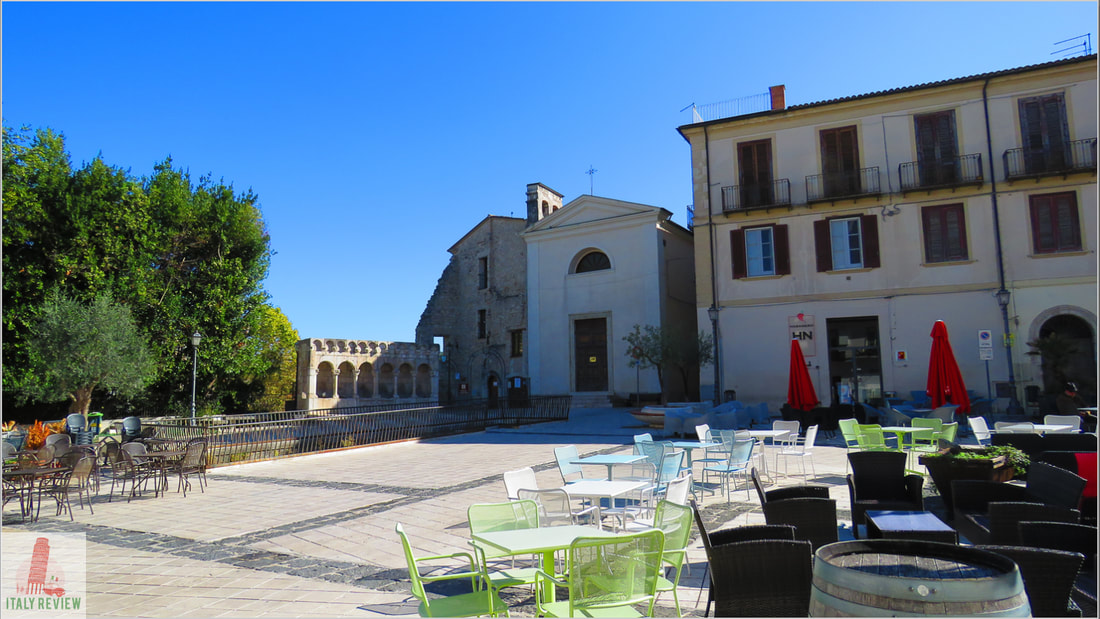
The area between the Cattedrale di San Pietro Apostolo on Piazza Andrea d'Isernia and Piazza Celestino V marks the city centre and the place where you'll find the majority of shops and restaurants.
Comune di Isernia
|
Province: Isernia
Region: Molise Population: 20,731 (in 2024 - source) Size: 69 km² Elevation: 423 metres Highlights: Fontana Fraterna, National Paleolithic Museum Close by: Pesche, Cerro al Volturno, Castel San Vincenzo |
What People Ask About Isernia, Molise
Is Isernia worth visiting?
Yes—Isernia is worth visiting for its historical and archaeological significance, with Roman ruins, medieval structures, and an ancient town centre. It’s a great base to explore the natural beauty of southern Molise and the nearby mountains.
What are the main attractions in Isernia?
Key attractions include the Romanesque-style Cathedral of Isernia, the ancient Roman bridge Ponte Romano, the medieval castle, and the nearby Paleolithic archaeological site of the Grotta dei Moscerini. The surrounding hills offer hiking opportunities with stunning views.
How do I get to Isernia?
Isernia is accessible by train via the Isernia railway station, with connections to Campobasso, Naples, and Rome. By car, it’s reachable via the A1 motorway and SS85, and it’s approximately 130 km from the nearest airport, Naples International Airport.
What is Isernia known for?
Isernia is known for its rich history, including Roman and medieval sites, and its picturesque old town. It’s also famous for the Grotta dei Moscerini, a significant prehistoric site. The town is a gateway for exploring the mountains and nature reserves of Molise.
When is the best time to visit Isernia?
The best time to visit is in spring (April to June) and autumn (September to October), when the weather is pleasant and ideal for exploring the historic sites and hiking in the surrounding hills. Winter can be cold, but it offers a peaceful atmosphere.
Related links
Discover
Discover Isernia
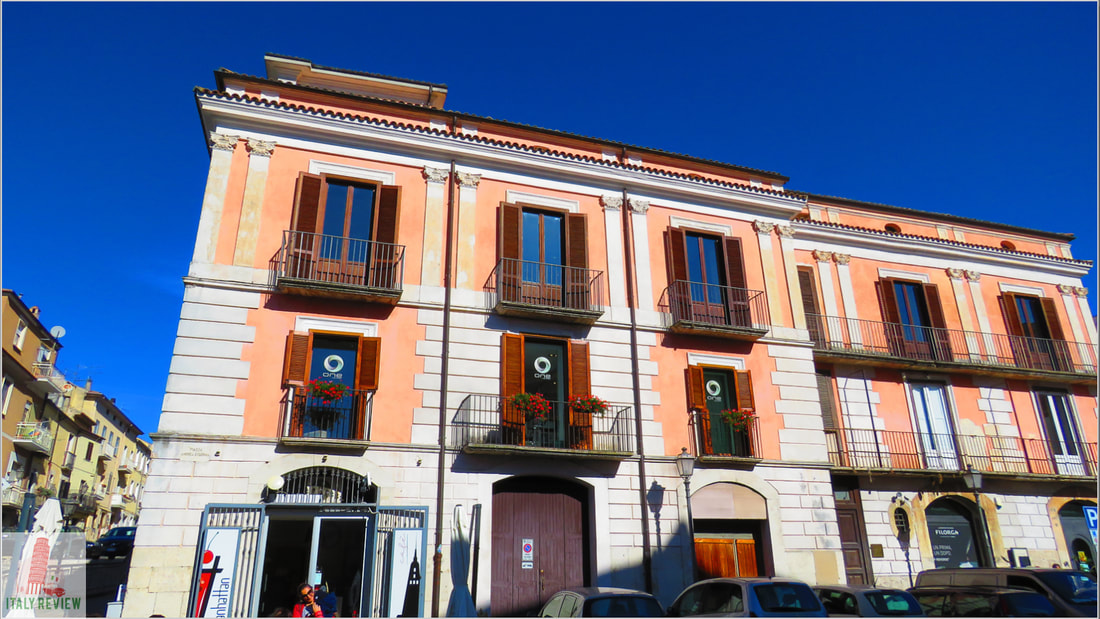
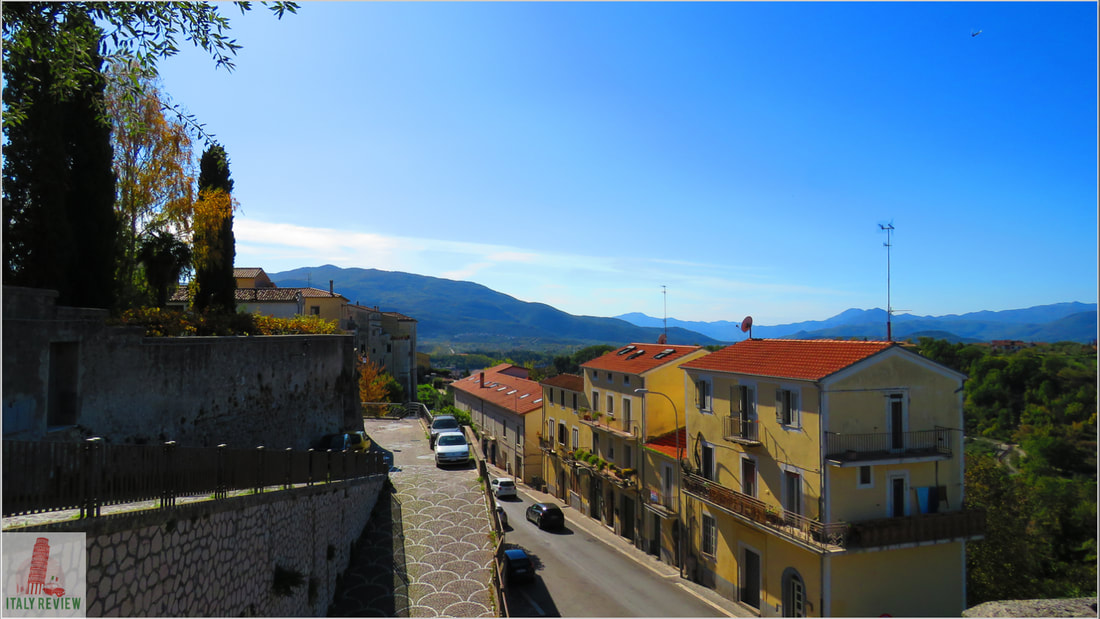
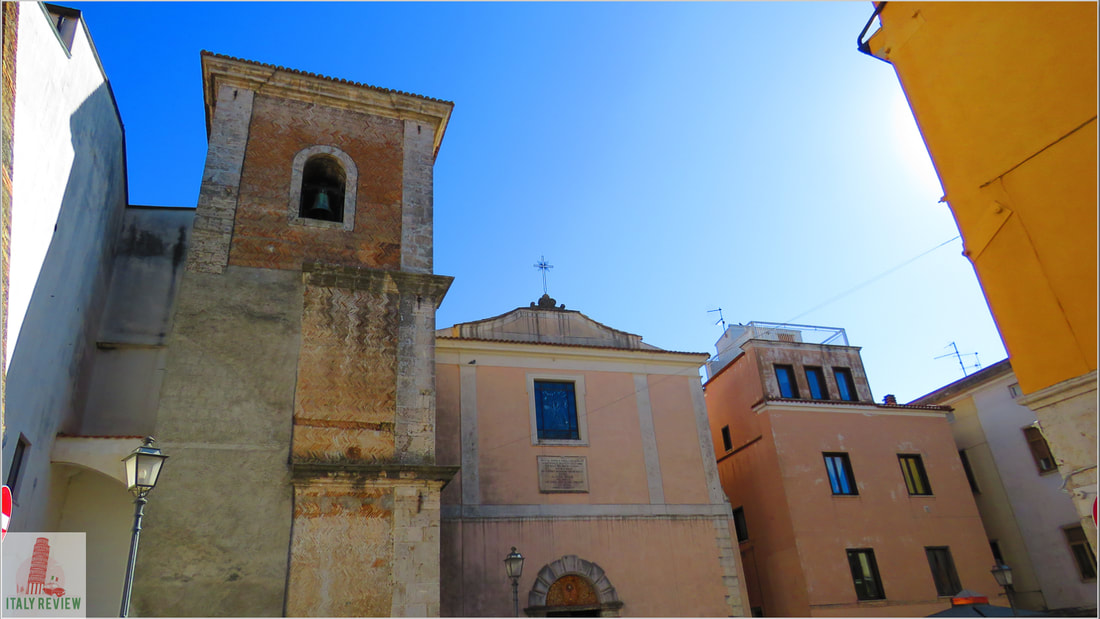
Set between the Carpino and Sordo rivers, Isernia is one of Molise’s oldest towns, occupying a rocky ridge surrounded by valleys and wooded hills. The historic centre retains its medieval structure, with narrow lanes, stone archways, and stepped streets leading towards the main square. Its position at the crossroads of ancient routes gives it a distinctive layout and a strong connection to the surrounding mountains of the Apennine range.
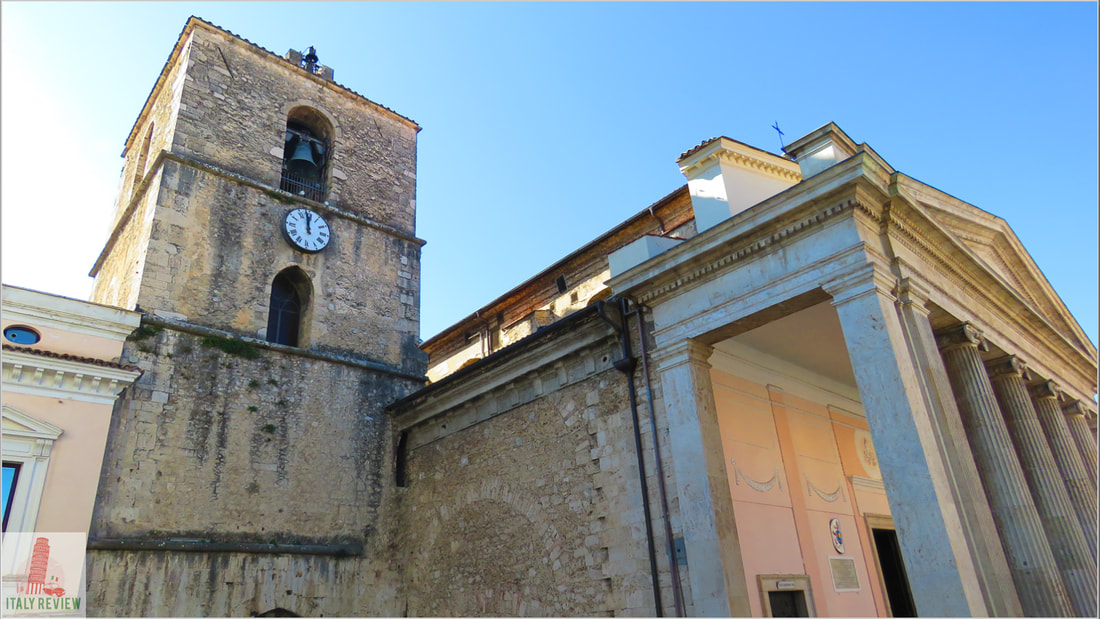
Among the town’s highlights is the Cathedral of San Pietro Apostolo, built on the site of a Roman temple and overlooking the central piazza. Nearby, the Fontana Fraterna, an elegant 13th-century fountain, stands as one of Isernia’s best-known landmarks. The area is also rich in archaeological interest, with traces of prehistoric habitation at the nearby La Pineta site. Well placed between Campobasso and Venafro, Isernia combines ancient origins with the atmosphere of a lived-in provincial capital, surrounded by scenic landscapes and historic villages.
Things to Do
Things to Do in Isernia
- Cattedrale di San Pietro Apostolo is Isernia's main cathedral, located in the historic centre of the town. Built in the 12th century, it combines Romanesque and Gothic architectural styles. The church is known for its striking façade, intricate stonework, and peaceful interior, making it a key landmark for visitors.
- Museo Nazionale del Molise is an archaeological museum located in the heart of Isernia, showcasing artefacts from prehistoric to Roman times. The museum’s collection includes tools, pottery, and sculptures, many of which were discovered in the surrounding region. It’s an excellent way to learn about the history of the Molise area.
- Ponte San Francesco is a Roman bridge that spans the River Sordo, offering an impressive example of ancient engineering. The bridge, dating back to the 2nd century AD, is still in use today and provides picturesque views of the surrounding landscape. It’s an ideal spot for a quiet walk or to take in the town’s history.
- Corso Marcelli is the main shopping street in Isernia, lined with cafes, boutiques, and restaurants. The street is perfect for a leisurely stroll, where visitors can enjoy local pastries, shop for handmade goods, and explore the small town’s charm. It also connects key landmarks, including the cathedral and historical sites.
- Guided walking tour through Isernia’s medieval centre offers visitors the chance to explore the winding alleys, cobbled streets, and historic buildings. The tour includes highlights like the ancient city walls, churches, and the remains of Roman structures. It’s an excellent way to learn about the town’s layered history from ancient times through the medieval period.
Tours and Activities
Isernia Tours and Activities
Where to Eat
Where to Eat in Isernia
Dining in Isernia reflects the traditional cooking of Molise, rooted in rural ingredients and simple, home-style preparation. Restaurants are mainly concentrated in the historic centre and nearby Piazza Andrea d’Isernia, where family-run trattorias and osterie serve classic regional dishes. The atmosphere is informal and welcoming, with menus that change according to the season. Lunch is usually served between 12:30 and 14:30, with dinner beginning from about 19:30.
Local cuisine highlights include cavatelli con funghi porcini (handmade pasta with porcini mushrooms), agnello alla brace (grilled lamb), and baccalà con peperoni (salt cod with peppers). Starters often feature salumi e formaggi locali such as scamorza and pecorino di Capracotta, while desserts include ostie farcite (almond and honey wafers) and ciambelline al vino. Local wines such as Tintilia del Molise, Biferno Rosso, and Pentro di Isernia are widely served, typically €5–€7 by the glass or €18–€30 per bottle.
Typical Prices of Popular Dishes
Antipasto molisano (€10–€14), cavatelli con funghi porcini (€12–€16), agnello alla brace (€22–€30), and ostie farcite (€5–€6). A typical meal with wine costs around €35–€45 per person.
Local cuisine highlights include cavatelli con funghi porcini (handmade pasta with porcini mushrooms), agnello alla brace (grilled lamb), and baccalà con peperoni (salt cod with peppers). Starters often feature salumi e formaggi locali such as scamorza and pecorino di Capracotta, while desserts include ostie farcite (almond and honey wafers) and ciambelline al vino. Local wines such as Tintilia del Molise, Biferno Rosso, and Pentro di Isernia are widely served, typically €5–€7 by the glass or €18–€30 per bottle.
Typical Prices of Popular Dishes
Antipasto molisano (€10–€14), cavatelli con funghi porcini (€12–€16), agnello alla brace (€22–€30), and ostie farcite (€5–€6). A typical meal with wine costs around €35–€45 per person.
Places Close to [Place Name]
Places Close to Isernia
- Campobasso (approx. 35 km east of Isernia): The capital of the Molise region, Campobasso is a town known for its historical significance and scenic beauty. Visitors can explore the Castello Monforte, the Cathedral of Campobasso, and the town's charming old centre, filled with local cafes and shops. The surrounding countryside offers opportunities for hiking and outdoor exploration.
- Venafro (approx. 20 km west of Isernia): A town with a rich history, Venafro is famous for its ancient Roman ruins, including the Roman Theatre and Museo Archeologico. Set against the backdrop of the Appennini Mountains, Venafro offers a peaceful atmosphere for history enthusiasts and nature lovers. Visitors can explore its medieval streets and enjoy the surrounding scenic landscapes.
- Agnone (approx. 45 km north of Isernia): A small town known for its traditional Bell Foundry, Agnone is also home to medieval architecture and scenic views of the Sannio Mountains. Visitors can explore the Chiesa di San Marco Evangelista and the Museo della Campana, which showcases the town’s centuries-old tradition of bell-making. Agnone is perfect for those interested in local crafts and history.
- Roccaraso (approx. 50 km southeast of Isernia): A popular destination for winter sports enthusiasts, Roccaraso is known for its ski resorts and the Majella National Park. During the summer months, visitors can hike, cycle, or simply enjoy the stunning mountain landscapes. Roccaraso is ideal for those seeking outdoor adventure and scenic beauty.
- Agnone (approx. 40 km north of Isernia): Famous for its ancient bell-making tradition, Agnone is a small, historic town located in the heart of the Sannio Mountains. Visitors can explore its medieval streets, visit the Chiesa di San Marco Evangelista, and admire the breathtaking views of the surrounding countryside. The town’s Museo della Campana is a must-see for those interested in its centuries-old craft.
Molise Top 10 - My Recommended Destinations in Molise
1. Termoli
2. Saepinum
3. Campobasso
4. Capracotta
5. Sant'Angelo Limosano
6. Bagnoli del Trigno
7. Isernia
8. Cerro al Volturno
9. Civitacampomarano
10. Campitello Matese
👉 Explore the Top 10 Places to Visit in Molise
1. Termoli
2. Saepinum
3. Campobasso
4. Capracotta
5. Sant'Angelo Limosano
6. Bagnoli del Trigno
7. Isernia
8. Cerro al Volturno
9. Civitacampomarano
10. Campitello Matese
👉 Explore the Top 10 Places to Visit in Molise
How to Get to [Place Name]
How to Get to Isernia
Using public transport you can take a direct train to Campobasso, the capital of Molise in 1 hour, while heading in the other direction you can reach Rome in two hours and ten minutes without having to change train.
The train station is located a 10 minute walk from Piazza Celestino V while local buses connect the city to the nearby towns and villages. By car you can reach Campobasso in 47 minutes (51 km) or Termoli, on the coast, in just under an hour and a half (100 km). The most convenient airport for Isernia is Naples International Airport which is 104 kilometres away, in the region of Campania.
|
Public transport: train station 1 km from centre, local buses
By train: Campobasso - 1 hour, Rome - 2 hours 10 mins |
By car: Campobasso - 47 mins (51 km), Termoli - 1 hr 26' (100 km)
Fly to: Naples International Airport - 1 hr 21 mins by car (104 km) |
Private Transfers
Isernia Private Transfers
A private transfer offers a reliable and comfortable way to reach Isernia or travel from the city to other destinations in Molise and neighbouring regions. You’ll be collected directly from your accommodation or preferred location and driven by a professional local driver, making the journey through the region’s mountain landscape straightforward and stress-free.
Private transfers can be arranged to and from Naples International Airport, Rome Fiumicino Airport, and Rome Ciampino Airport, all providing good access to Isernia. The drive from Naples takes around 1 hour 45 minutes, while journeys from Rome generally take about 2 hours 30 minutes depending on traffic. Transfers can also be organised to Campobasso, Agnone, Castel di Sangro, and other nearby destinations across Molise and Abruzzo.
To request a quote or check availability for a private transfer, just fill out the short form below and we’ll get back to you with all the details.
Private transfers can be arranged to and from Naples International Airport, Rome Fiumicino Airport, and Rome Ciampino Airport, all providing good access to Isernia. The drive from Naples takes around 1 hour 45 minutes, while journeys from Rome generally take about 2 hours 30 minutes depending on traffic. Transfers can also be organised to Campobasso, Agnone, Castel di Sangro, and other nearby destinations across Molise and Abruzzo.
To request a quote or check availability for a private transfer, just fill out the short form below and we’ll get back to you with all the details.