Grotte di Castro
|
Latest page update: 22 May 2025
|
By: Dion Protani
|
 Where to Stay
Where to Stay in Grotte di Castro
Accommodation in Grotte di Castro is limited, with most options consisting of small guesthouses and rural agriturismi. For those looking for established hotels with full facilities and consistently high guest ratings, the best options are found nearby in Bolsena within the Province of Viterbo.
In Bolsena, Ludwig Boutique Hotel offers an elegant stay on the lakeside, featuring refined rooms, a panoramic pool and excellent service, highly rated for comfort and attention to detail (€€€). Hotel Columbus provides a convenient lakeside location with modern rooms, a restaurant and consistently positive feedback for cleanliness and hospitality (€€). Also in Bolsena, Hotel Holiday offers comfortable accommodation with a pool, on-site dining and a relaxed atmosphere, well regarded for its friendly service and good value (€€).
Where is
Where is Grotte di Castro?
|
The town of Grotte di Castro belongs to the historical area known as Tuscia, the Roman name for Etruria, the land of the Etruscans.
Grotte di Castro is situated within the Province of Viterbo and stands at an elevation of 467 metres above sea level. The town has a population of around 2,500 while places of interest nearby include Gradoli, Bolsena, Lake Bolsena, Capodimonte and Marta. |
Comune di Grotte di Castro
|
Province: Viterbo
Region: Lazio Population: 2,400 (in 2024 - source) Size: 39 km² Elevation: 467 metres Close by: Gradoli, Bolsena, Lake Bolsena, Capodimonte, Marta Recommended hotel: Borgo La Chiaracia Resort & Spa (13 km) |
What People Ask About Grotte di Castro
Is Grotte di Castro worth visiting?
Yes, Grotte di Castro is worth visiting for its Etruscan heritage, medieval streets, and proximity to Lake Bolsena. The town also offers museums and archaeological sites that showcase its long history.
What are the main attractions in Grotte di Castro?
Main attractions include the Cathedral of Saints Peter and Paul, the Museum of Sacred Art, and the Archaeological Museum that displays Etruscan finds. The town’s position above Lake Bolsena also provides scenic views.
How do I get to Grotte di Castro?
Grotte di Castro does not have its own train station. The nearest is in Orvieto, about 30 kilometres away, with bus and taxi connections. By car, it lies about 130 kilometres north of Rome and is reachable via the A1 motorway and local roads.
When is the best time to visit Grotte di Castro?
The best time to visit is spring and summer, when the weather allows for walks through the old town and excursions to Lake Bolsena. August is lively with local festivals celebrating traditional culture and food.
What food is Grotte di Castro known for?
Grotte di Castro is known for lake fish dishes such as coregone and eel, as well as cured meats, sheep’s cheeses, and chestnut-based recipes. Local olive oil and wines from the surrounding area are also widely enjoyed.
Related links
Discover
Discover Grotte di Castro
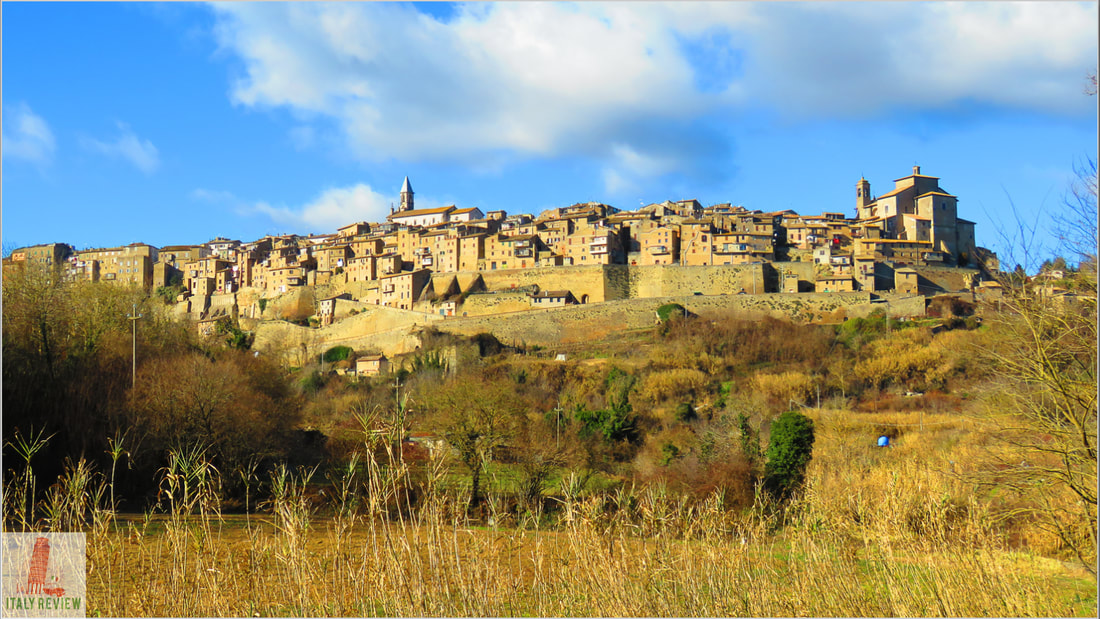
Grotte di Castro is a hill town in northern Lazio, set on the northern slopes of Lake Bolsena within the province of Viterbo. The settlement occupies a ridge overlooking the lake and surrounding countryside, with views across the volcanic hills that define the Tuscia region. Its old centre retains a medieval structure of narrow lanes, stone houses, and vaulted passageways, while the surrounding landscape features vineyards, olive groves, and forested slopes.
The town is known for its significant Etruscan necropolises, with rock-cut tombs that illustrate its ancient origins. Within the historic centre, the Collegiate Church of San Pietro and the Church of San Giovanni Battista display elements from the Romanesque and Baroque periods. The Civic and Archaeological Museum preserves artefacts from local excavations, offering insight into the area’s long history. Positioned between Gradoli and Acquapendente, Grotte di Castro lies within the upper Bolsena basin, surrounded by a landscape rich in archaeological, historical, and natural interest.
Things to Do
Things to Do in Grotte di Castro
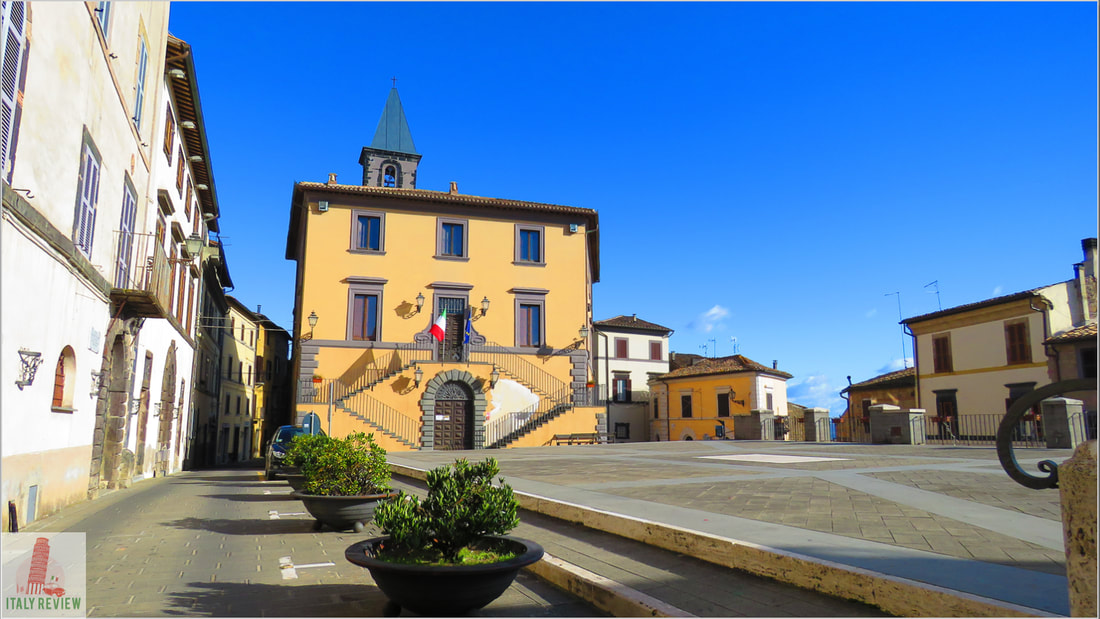
- Centro Storico di Grotte di Castro is a picturesque hill town where narrow stone streets twist among medieval houses, noble buildings, and terracotta rooftops. Stone façades, vaulted arches, and small piazzas bring rustic charm and depth to the traditional architecture. The town sits above the northern shores of Lake Bolsena in northern Lazio, surrounded by cultivated fields and rolling hills. Its atmosphere blends quiet village life with Etruscan heritage and noble traditions.
- Chiesa di San Pietro Apostolo stands proudly in Grotte di Castro, with a solid stone façade and a luminous, serene interior. Inside are wooden altars, delicate frescoes, and finely carved details that reflect centuries of devotion and local artistry. The church remains central to religious life and community events. It’s a peaceful place to visit while exploring the town’s historic streets.
- Piazza Matteotti serves as the social heart of Grotte di Castro, edged with stone buildings, small cafés, and inviting benches. Locals and visitors gather here for markets, village festivals, and friendly conversation. Outdoor seating offers views of medieval façades and glimpses of the lake beyond. The square reflects the gentle, authentic rhythm of life in this Tuscia town.
- Museo Civico Archeologico showcases the Etruscan heritage of Grotte di Castro, with artefacts, tomb relics, and historical displays that trace the region’s ancient past. The museum provides insights into local archaeology and daily life in the Etruscan era. It’s a highlight for history enthusiasts and those fascinated by the deep roots of northern Lazio.
- Guided historical and nature walks in Grotte di Castro explore medieval alleys, Etruscan sites, and scenic trails overlooking Lake Bolsena. Local guides share stories about noble families, ancient rituals, and local traditions. Walks often include tastings of local wines, olive oil, and Tuscia specialities. It’s a wonderful way to connect with the cultural richness and natural beauty of northern Lazio.
Tours and Activities
Grotte di Castro Tours and Activities
Photo Gallery
Grotte di Castro Photo Gallery
Lazio Top 10 - My Recommended Destinations in Lazio
1. Rome
2. Ponza
3. Villa d'Este (Tivoli)
4. Castelli Romani
5. Sperlonga
6. Ostia Antica
7. Cività di Bagnoregio
8. Lake Bracciano
9. Montecassino Abbey
10. Gaeta
👉 Explore the Top 10 Places to Visit in Lazio
1. Rome
2. Ponza
3. Villa d'Este (Tivoli)
4. Castelli Romani
5. Sperlonga
6. Ostia Antica
7. Cività di Bagnoregio
8. Lake Bracciano
9. Montecassino Abbey
10. Gaeta
👉 Explore the Top 10 Places to Visit in Lazio
How to Get to [Place Name]
How to Get to Grotte di Castro
By Rail: The nearest train station to Grotte di Castro is in Montefiascone, approximately 25 kilometres away. The station lies on the regional line between Viterbo and Orvieto, operated by Trenitalia. From Montefiascone, trains reach Viterbo in around 25 minutes and Orvieto in about 40 minutes. Local bus and taxi services provide connections between the station and Grotte di Castro.
By Road: Grotte di Castro is located in the province of Viterbo, northern Lazio, near the northern shores of Lake Bolsena and close to the Umbrian border. From Rome, the drive is roughly 145 kilometres and takes about 2 hours via the A1 motorway, exiting at Orvieto. From Viterbo, it is around 45 kilometres and takes approximately 50 minutes. Parking is available around the town centre and along the main approach roads.
Nearest International Airports:
By Road: Grotte di Castro is located in the province of Viterbo, northern Lazio, near the northern shores of Lake Bolsena and close to the Umbrian border. From Rome, the drive is roughly 145 kilometres and takes about 2 hours via the A1 motorway, exiting at Orvieto. From Viterbo, it is around 45 kilometres and takes approximately 50 minutes. Parking is available around the town centre and along the main approach roads.
Nearest International Airports:
- Rome Fiumicino Airport: Approximately 165 kilometres from Grotte di Castro, with a driving time of around 2 hours and 15 minutes via the A1 motorway and GRA ring road. It is the main international airport serving central Italy.
- Rome Ciampino Airport: Located about 155 kilometres away, taking roughly 2 hours by car via the A1 motorway. A convenient choice for travellers using low-cost airlines.
- Perugia San Francesco d’Assisi Airport: Around 85 kilometres north, with a journey time of approximately 1 hour and 20 minutes. The nearest airport geographically, offering connections to several European destinations.
Private Transfers
Grotte di Castro Private Transfers
A private transfer is the easiest and most comfortable way to reach Grotte di Castro or continue your journey from the town to other destinations in Lazio and central Italy. You’ll be collected directly from your chosen location and driven by a professional, local driver, avoiding the need for car hire or public transport connections.
Private transfers can be arranged to and from Rome Fiumicino Airport and Rome Ciampino Airport, providing convenient options for both arrivals and departures. The journey from Rome to Grotte di Castro usually takes around 1 hour 45 minutes to 2 hours, depending on traffic. Transfers can also be organised to Viterbo, Bolsena, and Civita di Bagnoregio, or to nearby destinations such as Orvieto, Pitigliano, and Sovana in southern Tuscany.
To request a quote or check availability for a private transfer, just fill out the short form below and we’ll get back to you with all the details.
Private transfers can be arranged to and from Rome Fiumicino Airport and Rome Ciampino Airport, providing convenient options for both arrivals and departures. The journey from Rome to Grotte di Castro usually takes around 1 hour 45 minutes to 2 hours, depending on traffic. Transfers can also be organised to Viterbo, Bolsena, and Civita di Bagnoregio, or to nearby destinations such as Orvieto, Pitigliano, and Sovana in southern Tuscany.
To request a quote or check availability for a private transfer, just fill out the short form below and we’ll get back to you with all the details.