Pico
|
Latest page update: 23 May 2025
|
By: Dion Protani
|
Where to Stay
Where to Stay in Pico
Accommodation in Pico is limited, with most options consisting of agriturismi and small guesthouses that reflect its quiet position in the Monti Aurunci area. For travellers looking for established hotels with wider facilities and consistently strong reviews, the best-rated choices are found nearby in Fondi and Formia.
In Fondi, Hotel Del Conte offers modern rooms with a pool, restaurant and wellness area, praised for its cleanliness, helpful staff and convenient location near the town centre (€€). In Formia, Grande Albergo Miramare provides elegant seafront accommodation with a restaurant, pool and gardens, earning high marks for comfort and professional service (€€€). Also in Formia, Klaton Beach Hotel features contemporary rooms close to the beach, appreciated for its practicality, good value and friendly atmosphere (€€).
Where is
Where is Pico?
|
The town of Pico is situated within the Province of Frosinone and has a population of around 2,800 residents.
It stands at an elevation of 192 metres above sea level and is included in the list of Borghi Più Belli d'Italia (most beautiful villages in Italy). Places of interest nearby include Campodimele, Castro dei Volsci, Ceccano and Frosinone. |
Comune di Pico
|
Province: Frosinone
Region: Lazio Population: 2,621 (in 2024 - source) Size: 33 km² Elevation: 192 metres Close by: Campodimele, Castro dei Volsci, Ceccano, Frosinone Recommended hotel: Nenà Al Borgo Castello |
One of I Borghi più belli d'Italia (Italy's Most Beautiful Villages)
Listing headline: Verde Oasi di Tranquilla Ospitalità (Green Oasis of Tranquil Hospitality)
What People Ask About Pico
Is Pico worth visiting?
Yes, Pico is worth visiting for its well-preserved medieval centre, castle remains, and quiet hilltop setting. It offers a glimpse of traditional life in Lazio with views across the Liri Valley.
What are the main attractions in Pico?
The main attractions include the Castle of Pico, the Church of San Rocco, and the narrow medieval streets. Nearby, the Aurunci Mountains provide opportunities for walking and exploring nature.
How do I get to Pico?
The nearest train stations are in Ceccano and Cassino, both around 30 kilometres away, with connections to Rome and Naples. By car, Pico is about 120 kilometres south-east of Rome, reachable via the A1 motorway and local roads.
When is the best time to visit Pico?
The best time to visit is spring and autumn, when the weather is mild and ideal for exploring the historic centre and surrounding countryside. Summer is busier with festivals and cultural events.
What food is Pico known for?
Pico is known for dishes typical of southern Lazio, such as homemade pasta with meat sauces, roast pork, and seasonal vegetable dishes. Local olive oil and pecorino cheese are also widely used in its cuisine.
Related links
Discover
Discover Pico
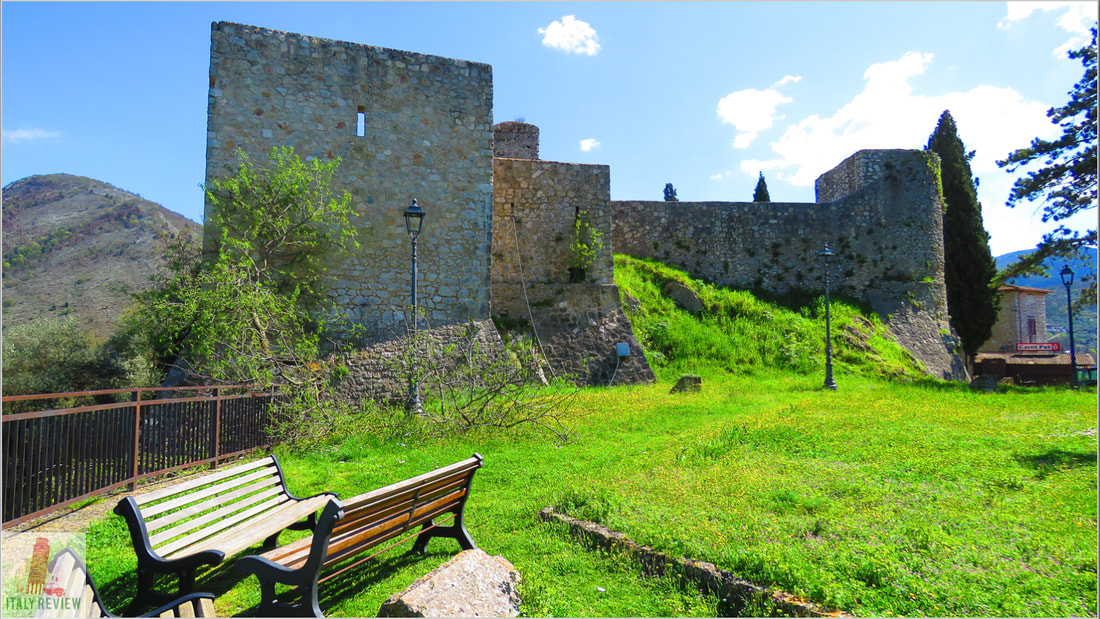
Pico is a small hill town in the province of Frosinone, within the Ciociaria area of Lazio, set on the slopes of the Monti Ausoni. The historic centre rises in compact form, enclosed by medieval walls and dominated by the remains of its Norman castle, which overlooks the surrounding valleys. Stone houses, narrow alleys, and small piazzas define the town’s character, while the views extend across a landscape of wooded hills and cultivated fields.
Historically linked to nearby Pastena and Lenola, Pico served as a defensive settlement during the Middle Ages, guarding routes between the coast and the inland valleys. Today it forms part of the Monti Ausoni and Lago di Fondi Regional Nature Park, an area known for its biodiversity and rural traditions. The town’s location provides easy access to Ceprano, Fondi, and Terracina, connecting the inland Ciociaria region with the Tyrrhenian coast.
Things to Do
Things to Do in Pico
- Centro Storico di Pico is a quiet hill town where narrow stone streets wind among rustic houses, medieval walls, and terracotta rooftops. Stone façades, arched passageways, and small courtyards bring charm and character to the traditional architecture. The town sits perched on a ridge in southern Lazio, surrounded by wooded hills and views over the Valle del Liri. Its atmosphere blends peaceful village life with a strong sense of medieval history and natural beauty.
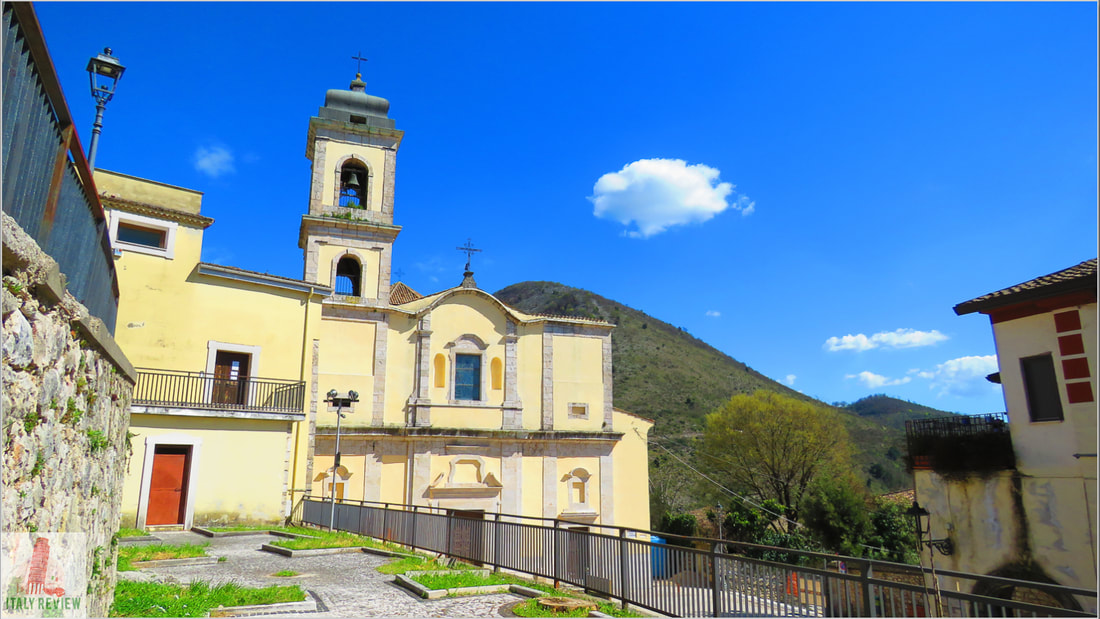
- Chiesa di San Rocco stands modestly in Pico, with a simple stone exterior and a serene, intimate interior. Inside are wooden altars, delicate frescoes, and carved details reflecting local craftsmanship. The church remains central to religious life and village gatherings. It’s a tranquil place to visit while exploring Pico’s winding lanes.
- Piazza Guglielmo Marconi serves as the social heart of Pico, edged with stone buildings, local cafés, and inviting benches. Locals gather here for conversations, village festivals, and markets. Outdoor seating offers views of medieval façades and distant green hills. The square reflects the gentle, authentic rhythm of life in this hill town.
- Castello Farnese towers above the village, a medieval fortress with sturdy walls and impressive towers. Walking through its restored halls and battlements offers insights into the town’s noble past and strategic importance. From the castle, sweeping views stretch over the surrounding valleys and hills. It’s a highlight for history lovers and photographers alike.
- Guided historical and nature walks in Pico explore medieval alleys, the castle grounds, and trails through the nearby Aurunci mountains. Local guides share stories about noble families, ancient traditions, and the natural environment. Walks often include tastings of local wines, olive oil, and Ciociarian specialities. It’s a wonderful way to connect with the cultural richness and natural tranquillity of southern Lazio.
Tours and Activities
Pico Tours and Activities
Photo Gallery
Pico Photo Gallery
Lazio Top 10 - My Recommended Destinations in Lazio
1. Rome
2. Ponza
3. Villa d'Este (Tivoli)
4. Castelli Romani
5. Sperlonga
6. Ostia Antica
7. Cività di Bagnoregio
8. Lake Bracciano
9. Montecassino Abbey
10. Gaeta
👉 Explore the Top 10 Places to Visit in Lazio
1. Rome
2. Ponza
3. Villa d'Este (Tivoli)
4. Castelli Romani
5. Sperlonga
6. Ostia Antica
7. Cività di Bagnoregio
8. Lake Bracciano
9. Montecassino Abbey
10. Gaeta
👉 Explore the Top 10 Places to Visit in Lazio
How to Get to [Place Name]
How to Get to Pico
By Rail: Pico does not have a railway station. The nearest mainline station is Roccasecca, located about 15 kilometres away, on the Rome–Cassino–Naples line operated by Trenitalia. From there, regular regional services connect to Rome Termini, Cassino, and Naples Centrale. The onward journey to Pico can be made by taxi or local bus, taking around 20 minutes.
By Road: The town is situated in the province of Frosinone, roughly 130 kilometres southeast of Rome and 25 kilometres southwest of Cassino. The drive from Rome takes around 1 hour and 45 minutes via the A1 motorway (exit Ceprano) and the SP19 road. From Frosinone, it is about 45 kilometres, taking approximately 50 minutes. Visitors will find parking available close to the historic centre.
Nearest International Airports:
By Road: The town is situated in the province of Frosinone, roughly 130 kilometres southeast of Rome and 25 kilometres southwest of Cassino. The drive from Rome takes around 1 hour and 45 minutes via the A1 motorway (exit Ceprano) and the SP19 road. From Frosinone, it is about 45 kilometres, taking approximately 50 minutes. Visitors will find parking available close to the historic centre.
Nearest International Airports:
- Rome Ciampino Airport: Around 115 kilometres from Pico, with a driving time of about 1 hour and 30 minutes. It handles mainly low-cost European flights.
- Naples Capodichino Airport: Approximately 115 kilometres away, taking about 1 hour and 40 minutes by car. It offers both domestic and international connections.
Private Transfers
Pico Private Transfers
A private transfer offers a direct and comfortable way to reach Pico or continue your journey to other parts of Lazio. You’ll be collected from your chosen location and driven straight to your destination by a professional driver, allowing for a smooth and convenient travel experience.
From Pico, transfers can connect you with Rome Fiumicino Airport, Rome Ciampino Airport, and Naples International Airport. They are also suitable for visiting nearby towns such as Pastena, Lenola, and Fondi, or for exploring the scenic hills and countryside of southern Lazio.
To request a quote or check availability for a private transfer, just fill out the short form below and we’ll get back to you with all the details.
From Pico, transfers can connect you with Rome Fiumicino Airport, Rome Ciampino Airport, and Naples International Airport. They are also suitable for visiting nearby towns such as Pastena, Lenola, and Fondi, or for exploring the scenic hills and countryside of southern Lazio.
To request a quote or check availability for a private transfer, just fill out the short form below and we’ll get back to you with all the details.