Venosa
|
Latest page update: 16 May 2025
|
By: Dion Protani
|
Where to Stay
Where to Stay in Venosa
Venosa, in the Province of Potenza, is a historic town known for its Roman ruins, medieval abbey and connection with the poet Horace. It offers some established hotels, while further options can be found in the surrounding area.
In Venosa itself, Hotel Orazio provides comfortable rooms, a restaurant and a convenient location near the town centre, regularly praised for value and service (€€). Also in town, Hotel Venusia offers straightforward accommodation with modern facilities, often noted for practicality (€€). Another option is Hotel Ristorante Venusia Palace, featuring spacious rooms and a restaurant, with positive guest feedback for comfort and convenience (€€).
Where is
Where is Venosa?
|
The town of Venosa is situated within the Province of Potenza and has a population of 11,627 inhabitants. Listed as one of the "Borghi Più Belli d'Italia" (Italy's most beautiful villages), it stands at an elevation of 415 metres above sea level.
There are two hotels in the town centre while nearby places of interest include Melfi, Castel Lagopesole and San Fele. |
Comune di Venosa
|
Province: Potenza
Region: Basilicata Population: 10,782 (in 2024 - source) Size: 170 km² Elevation: 415 metres Close by: Melfi, Castel Lagopesole, Genzano di Lucania, San Fele |
One of I Borghi più belli d'Italia (Italy's Most Beautiful Villages)
Listing headline: La Città di Orazio (The City of Horace)
What People Ask About Venosa, Basilicata
Is Venosa worth visiting?
Yes, Venosa is worth visiting for its Roman archaeological sites, Norman castle, and historic churches. It is also known as the birthplace of the Roman poet Horace and is recognised as one of Italy’s most beautiful villages.
How do I get to Venosa?
Venosa is about 80 kilometres north of Potenza and can be reached by car via the SS658 and SS168 roads. The nearest railway stations are at Melfi and Lavello, with onward bus services connecting to Venosa.
What are the main attractions in Venosa?
Highlights include the Archaeological Park with Roman ruins, the unfinished Abbey of the Holy Trinity, and the Norman-Swabian Castle. The town also has museums, historic palaces, and wine traditions linked to Aglianico del Vulture.
When is the best time to visit Venosa?
The best times to visit are spring and autumn, with mild weather for sightseeing and walking tours. Summer is lively with cultural events and festivals, while winter is quieter but still suitable for exploring the town.
How long should I stay in Venosa?
A one-day visit is enough to explore the archaeological park, abbey, and castle. An overnight stay allows for a more relaxed pace and the chance to enjoy local wine and cuisine.
Related links
Discover
Discover Venosa
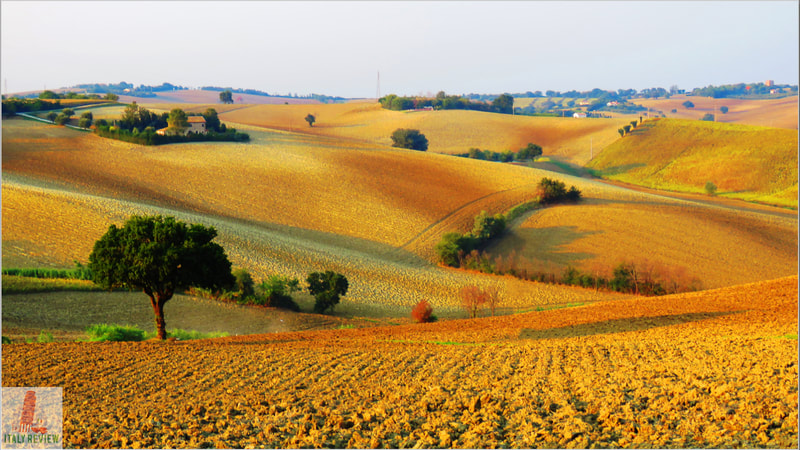
Venosa is a historic town in the province of Potenza, located in northern Basilicata on the fertile slopes of Monte Vulture, an extinct volcano. The surrounding landscape is characterised by vineyards, olive groves, and gentle hills, forming part of the wine-producing area known for Aglianico del Vulture. The town itself combines Roman, medieval, and Renaissance influences, with a network of streets and squares that reflect its long and layered history.
Among Venosa’s most important landmarks are the Abbey of the Santissima Trinità, the Aragonese Castle, and the Roman Amphitheatre, each testifying to the town’s importance across centuries. Venosa was the birthplace of the Latin poet Horace, and traces of its Roman origins can still be seen in mosaics and ruins throughout the area. Local culture remains vibrant, with traditions rooted in wine and agricultural production. Its position near Melfi, Genzano di Lucania, and Rionero in Vulture makes it a key destination for exploring the historical and cultural heart of northern Basilicata.
Things to Do
Things to Do in Venosa
- Historic centre of Venosa is rich in archaeological and architectural heritage, featuring ancient Roman ruins, medieval buildings, and winding streets that trace the town’s long history. The stone façades and narrow alleys reveal layers of past eras, with notable monuments interspersed throughout the town. Venosa’s position in the fertile plains of Basilicata adds to its agricultural charm.
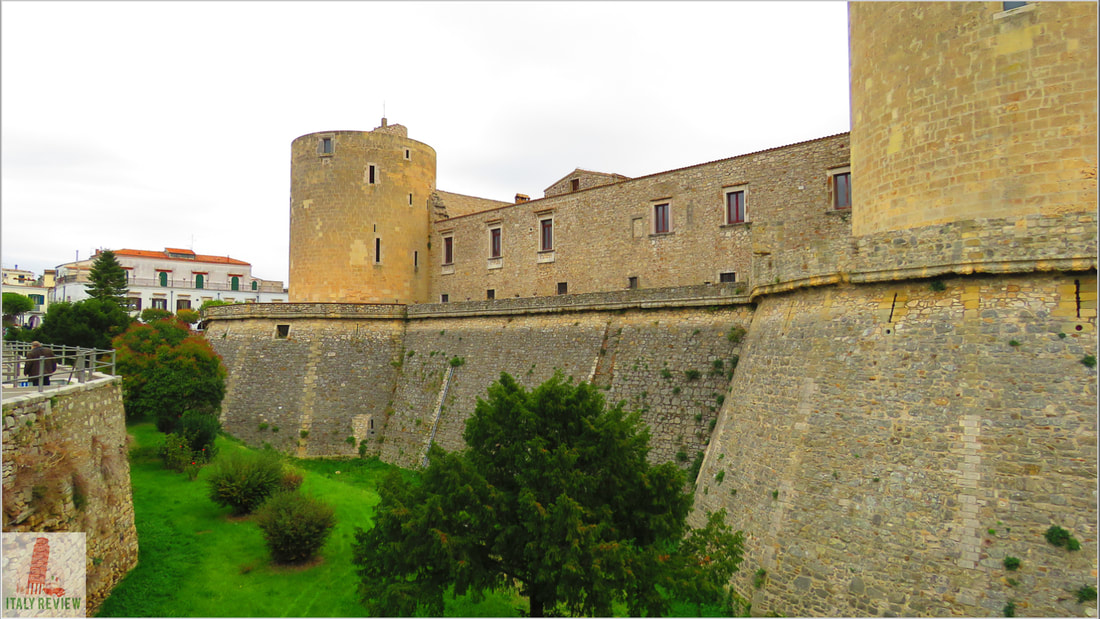
- Castello Pirro del Balzo dominates the skyline of Venosa, a medieval fortress with robust walls and towers. The castle houses exhibitions and offers visitors a chance to explore its defensive architecture. Its elevated position provides panoramic views of the surrounding countryside and the nearby archaeological sites.
- Piazza Maiorano serves as the central meeting point in Venosa, surrounded by cafés, shops, and historic buildings. The square hosts markets and community events, reflecting the town’s active social life. From here, visitors can observe the rhythms of daily life and admire the traditional architecture.
- Roman archaeological sites include the remains of an amphitheatre, ancient walls, and mosaics scattered around Venosa. These ruins offer insight into the town’s significance during the Roman era and attract visitors interested in history and archaeology. The sites are easily accessible within walking distance of the town centre.
- Guided historical and cultural tours provide an in-depth exploration of Venosa’s rich past, covering Roman ruins, medieval landmarks, and local traditions. Knowledgeable guides share stories of the town’s evolution, its notable figures, and archaeological discoveries. These tours often include visits to local museums and opportunities to taste traditional Lucanian cuisine.
Tours and Activities
Venosa Tours and Activities
Photo Gallery
Venosa Photo Gallery
Basilicata Top 10 - My Recommended Destinations in Basilicata
1. Matera
2. Craco
3. Maratea
4. Melfi
5. Pietrapertosa
6. Sant'Angelo Le Fratte
7. Venosa
8. Pollino National Park
9. Satriano di Lucania
10. Castelmezzano
👉 Explore the Top 10 Places to Visit in Basilicata
1. Matera
2. Craco
3. Maratea
4. Melfi
5. Pietrapertosa
6. Sant'Angelo Le Fratte
7. Venosa
8. Pollino National Park
9. Satriano di Lucania
10. Castelmezzano
👉 Explore the Top 10 Places to Visit in Basilicata
How to Get to [Place Name]
How to Get to Venosa
By Rail: Venosa does not have its own train station, but the nearest one is in Rionero in Vulture, about 15 kilometres away, on the Foggia–Potenza line operated by Trenitalia. Regional trains connect Rionero in Vulture to Potenza in around 1 hour and to Foggia in roughly 1 hour and 20 minutes. From the station, local buses and taxis provide regular connections to Venosa.
By Road: Venosa is located in northern Basilicata, about 50 kilometres north of Potenza. The drive takes approximately 1 hour via the SS93. From Foggia, the distance is around 80 kilometres, with a journey time of about 1 hour and 30 minutes via the SS655. The town is accessible by several regional roads, and parking is available near the historic centre and Castello Aragonese.
Nearest International Airports:
By Road: Venosa is located in northern Basilicata, about 50 kilometres north of Potenza. The drive takes approximately 1 hour via the SS93. From Foggia, the distance is around 80 kilometres, with a journey time of about 1 hour and 30 minutes via the SS655. The town is accessible by several regional roads, and parking is available near the historic centre and Castello Aragonese.
Nearest International Airports:
- Bari Karol Wojtyła Airport: Situated about 110 kilometres northeast of Venosa, with a drive of around 1 hour and 40 minutes via the SS93 and SS170. This is the most convenient airport, offering numerous domestic and international flights.
- Naples–Capodichino International Airport: Located roughly 180 kilometres west, taking about 2 hours and 40 minutes by car via the A16 motorway. It provides frequent national and European connections.
- Brindisi Salento Airport: Approximately 220 kilometres southeast, with a journey time of around 3 hours via the SS7. It serves various Italian and European destinations.
Private Transfers
Venosa Private Transfers
A private transfer is a convenient and comfortable way to travel to or from Venosa, offering a direct service without the need for public transport or car hire. You’ll be collected from your chosen location and driven straight to your destination by a professional driver.
Bari Karol Wojtyła Airport and Naples Capodichino Airport both provide good access to this part of northern Basilicata, with routes passing through the Ofanto Valley and the Vulture area. Transfers can also be arranged to nearby towns such as Melfi, Rionero in Vulture, and Genzano di Lucania, or to other destinations across Basilicata and Puglia.
To request a quote or check availability for a private transfer, just fill out the short form below and we’ll get back to you with all the details.
Bari Karol Wojtyła Airport and Naples Capodichino Airport both provide good access to this part of northern Basilicata, with routes passing through the Ofanto Valley and the Vulture area. Transfers can also be arranged to nearby towns such as Melfi, Rionero in Vulture, and Genzano di Lucania, or to other destinations across Basilicata and Puglia.
To request a quote or check availability for a private transfer, just fill out the short form below and we’ll get back to you with all the details.