Foggia
|
Latest page update: 13 June 2025
|
By: Dion Protani
|
Where to Stay
Where to Stay in Foggia
Foggia has a fair selection of established hotels, catering both to business travellers and visitors exploring the wider Tavoliere plain and Gargano area. Properties are generally concentrated in the centre and around the railway station, with reviews highlighting convenience, comfort and reliable service.
Hotel Cicolella is a longstanding choice opposite the station, offering spacious rooms, a restaurant and consistently solid guest feedback (€€). Hotel Europa provides centrally located accommodation with comfortable rooms, on-site dining and good reviews from both business and leisure guests (€€). Another option is Hotel White House, also close to the station, appreciated for its classic style, helpful service and positive ratings for comfort (€€).
Where is
Where is Foggia?
|
The city of Foggia is the capital city of the Province of Foggia with a population of 151,203 inhabitants.
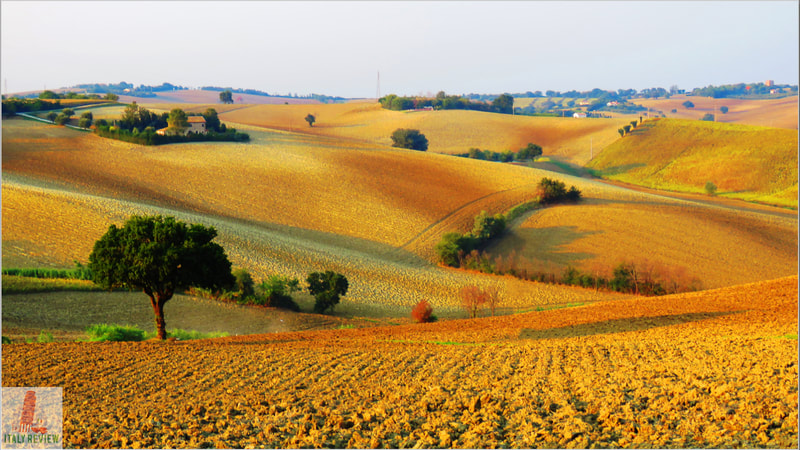
Standing at an elevation of 76 metres above sea level, it covers a total area of 507 km² and lies 124 kilometres north west of Bari, the regional capital of Puglia. Foggia is the northernmost of Puglia's provincial capitals, situated in the agricultural plain, the Tavoliere delle Puglie, often referred to as the Granary of Italy. |
Comune di Foggia
What People Ask About Foggia, Puglia
Is Foggia worth visiting?
Foggia is worth visiting for travellers interested in local life, architecture, and exploring inland Puglia. While it’s not a major tourist destination, it serves as a gateway to the Gargano area and has historical sites and wide piazzas to discover.
What are the main attractions in Foggia?
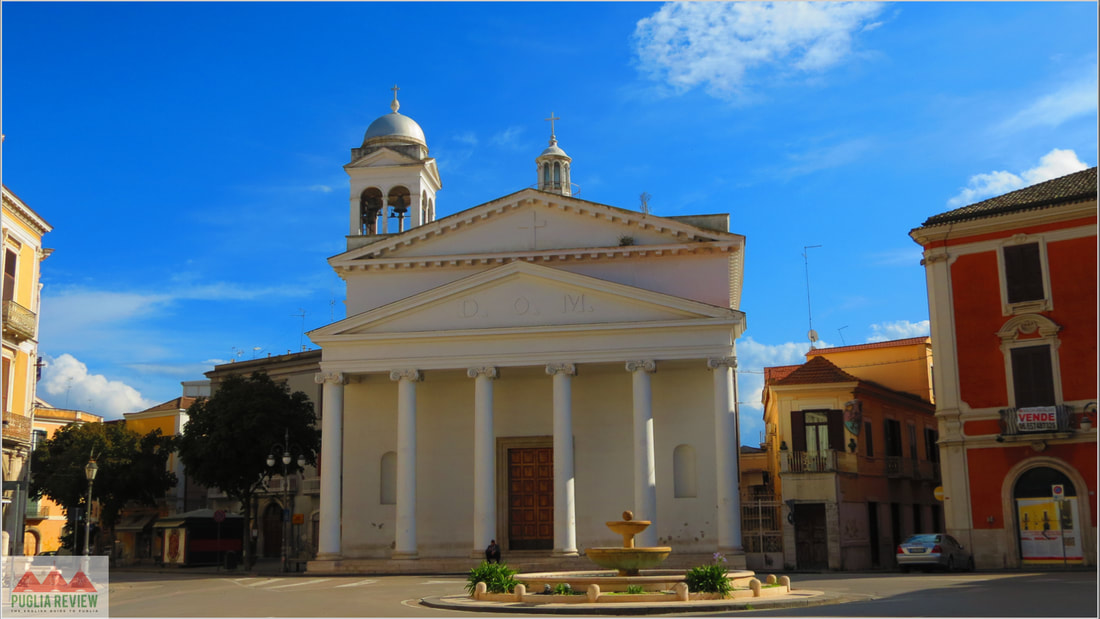
Main attractions include the Cathedral of Foggia, the Church of Jesus and Mary, and the large Piazza Cavour. The Museo Civico showcases local history, and the Villa Comunale public gardens offer green space in the heart of the city.
How do I get to Foggia?
Foggia has its own train station on the Adriatic railway line, with regular services to Bari, Naples, and Rome. It’s accessible by car via the A14 and A16 motorways. The nearest airport is in Bari, with bus or train connections to the city.
What is Foggia known for?
Foggia is known for its role in agriculture, particularly wheat production, and as a transport hub in northern Puglia. It also has historic links to Frederick II and a collection of 19th-century buildings and wide streets laid out after earthquakes.
When is the best time to visit Foggia?
The best time to visit Foggia is in spring or early autumn, when temperatures are comfortable for walking and sightseeing. Summers can be very hot, while winters are mild and quieter for visitors.
Related links
Discover
Discover Foggia
Unlike many Puglian cities to the south, Foggia doesn't date back to the time of the Magna Graecia period, and was founded much later: around 1,000 AD. Heavily bombed for its strategic importance in World War Two, the city was largely rebuilt.
The combination of the post-war rebuild and the foundation of the city from a later era than its southern counterparts, leaves Foggia as somewhat alone in the architectural legacy of sights in its centre, unique among the cities of Puglia.
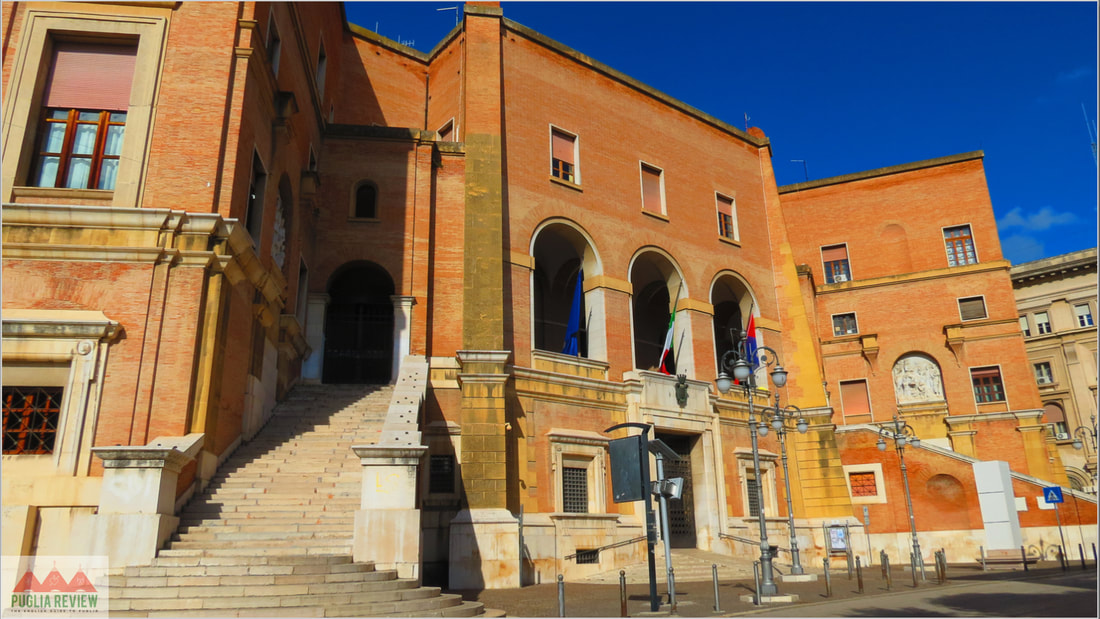
The most historic building in Foggia is the Cathedral which was initially built in the 12th century but heavily restored in a different style after an earthquake in 1731. Another building of historic importance is the Palazzo Dogana, a former custom's house that's now the official headquarters of the Province of Foggia.
The combination of the post-war rebuild and the foundation of the city from a later era than its southern counterparts, leaves Foggia as somewhat alone in the architectural legacy of sights in its centre, unique among the cities of Puglia.
The most historic building in Foggia is the Cathedral which was initially built in the 12th century but heavily restored in a different style after an earthquake in 1731. Another building of historic importance is the Palazzo Dogana, a former custom's house that's now the official headquarters of the Province of Foggia.
Around Piazza Umberto Giordano
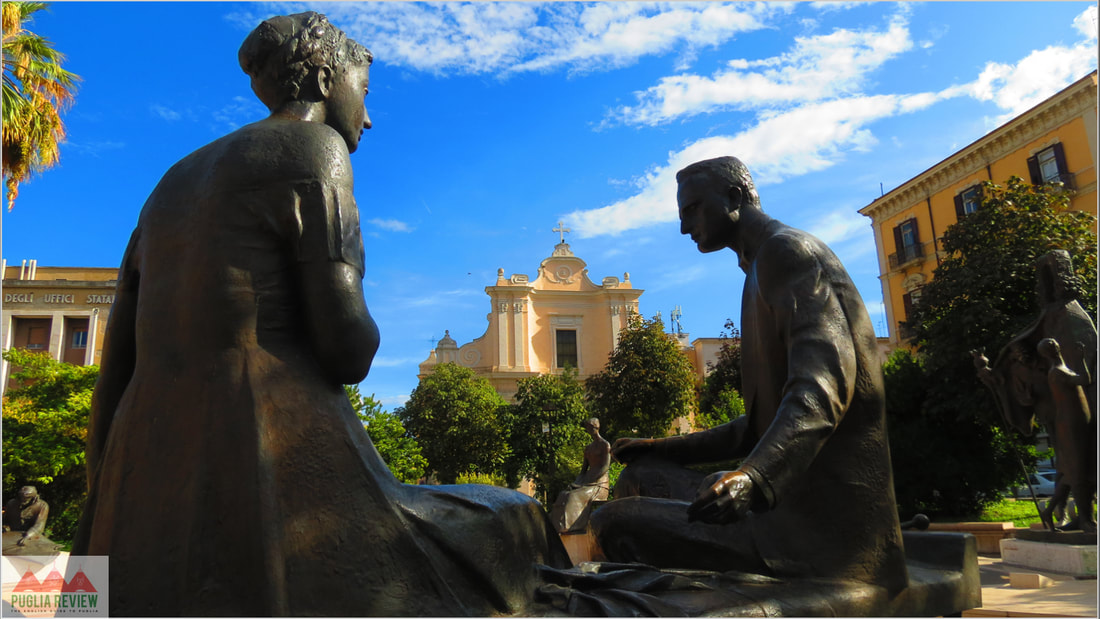
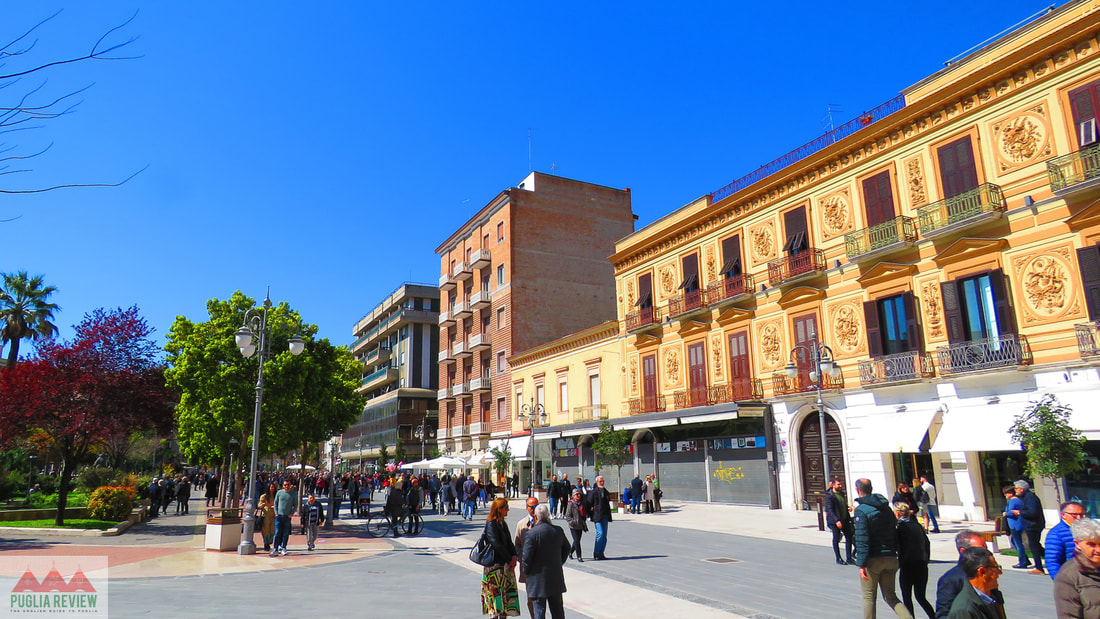
In modern times, the most vibrant area of the city revolves around Piazza Umberto Giordano. The modern square lies at one end of the city's main shopping area and has a sculpture garden as its centre. Walk to the end of the square and there's a sense of grandeur provided by the busy Piazza Cavour.
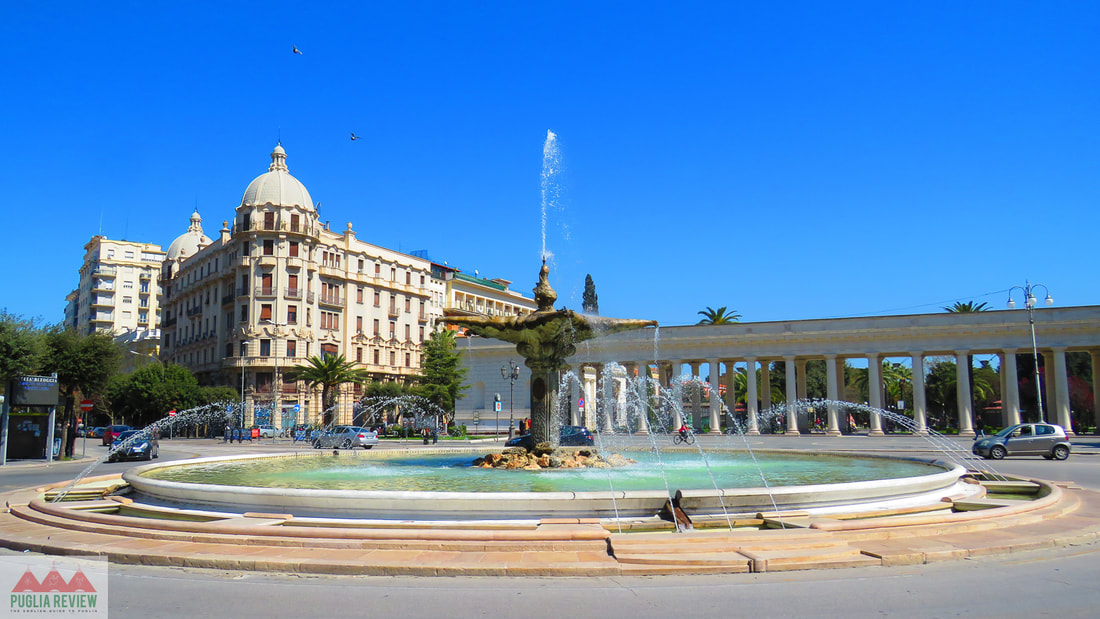
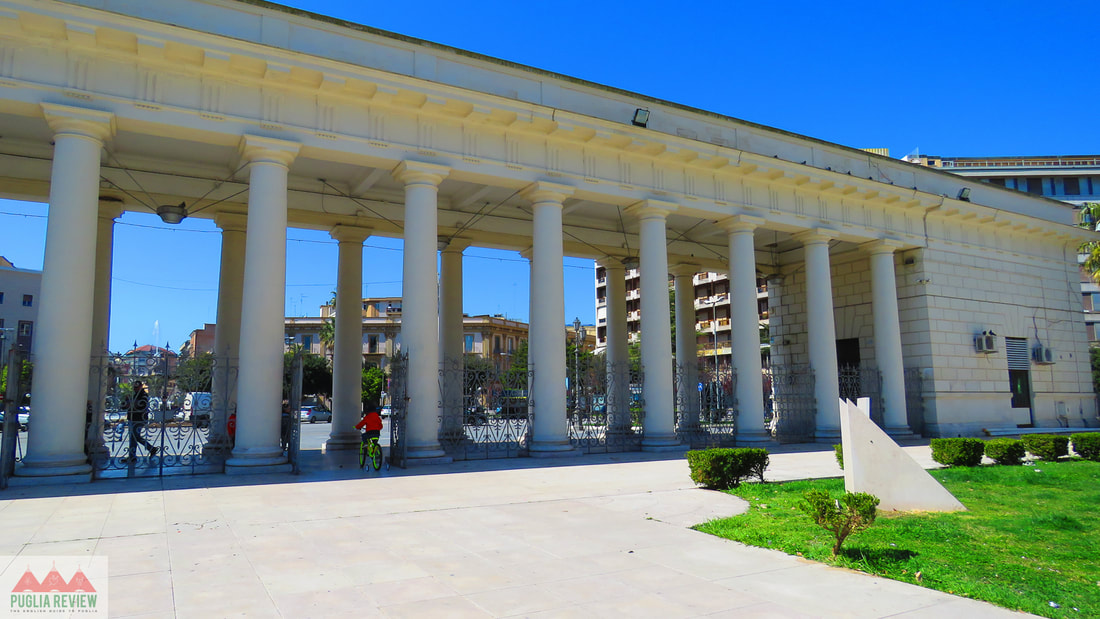
This square's main function is that of a roundabout but the beautiful fountain (Fontana del Sele) at its centre combined with the dramatic, columned entrance to the Villa Comunale give this part of the city a real sparkle. The Villa Comunale is a tree-lined park, beautifully manicured and a magnet for locals who jog or take walks here.
Things to Do
Things to Do in Foggia
- Cattedrale di Foggia was originally built in the 12th century in Romanesque style and later rebuilt with Baroque features after an earthquake. It houses the icon of the Madonna dei Sette Veli, the city’s patron saint. The crypt and sculpted portal preserve traces of the medieval church beneath later additions.
- Piazza Umberto Giordano is one of the city’s main squares, named after the Foggia-born composer. The square includes open-air cafés, fountains, and statues of Giordano’s operatic characters. It acts as a central meeting place and often hosts cultural events and outdoor performances.
- Museo Civico di Foggia presents archaeological finds, medieval art, and collections documenting the region’s history. Highlights include Daunian ceramics, Roman sculptures, and local artefacts. The museum is housed in a 19th-century building and includes several themed sections across multiple floors.
- Villa Comunale Karol Wojtyla is a large public park with shaded paths, fountains, and statues, originally designed in the 19th century. It offers a green space in the centre of the city for walking, cycling, or relaxing. The park also includes a small open-air theatre and playground areas for children.
- Walking tour of Foggia’s historic centre explores the layout of the medieval city and its later development. Guided visits often include the cathedral, noble palaces, and hidden courtyards. Some tours also cover local legends and stories linked to Foggia’s religious and political past.
Tours and Activities
Foggia Tours and Activities
Photo Gallery
Foggia Photo Gallery
Places Close to [Place Name]
Places Close to Foggia
- Lucera (approx. 20 km west of Foggia): A town with Roman and medieval heritage, Lucera is known for its impressive amphitheatre and the Swabian-Angevin fortress. The historic centre also includes a cathedral built on the site of a former mosque.
- Troia (approx. 20 km southwest of Foggia): Set on a hill overlooking the Tavoliere plain, Troia is recognised for its Romanesque cathedral with a striking rose window. The town preserves narrow streets, old churches, and traces of its long history.
- San Severo (approx. 30 km north of Foggia): An important agricultural and wine-producing centre, San Severo has a lively historic core with churches and palaces. It is also noted for the production of sparkling wines and olive oil.
- Manfredonia (approx. 35 km east of Foggia): A coastal town on the Adriatic, Manfredonia was founded by King Manfred in the 13th century. It has a castle, a cathedral, and serves as a gateway to the Gargano promontory.
- Cerignola (approx. 40 km south of Foggia): One of the largest towns in southern Italy by land area, Cerignola has a long agricultural tradition. The town is particularly associated with olive oil and wine production, and features a historic centre with wide squares.
Puglia Top 10 - My Recommended Destinations in Puglia
1. Lecce
2. Alberobello
3. Otranto
4. Gallipoli
5. Polignano a Mare
6. Monopoli
7. Vieste
8. Trani
9. Giovinazzo
10. Castel del Monte
👉 Explore the Top 10 Places to Visit in Puglia
1. Lecce
2. Alberobello
3. Otranto
4. Gallipoli
5. Polignano a Mare
6. Monopoli
7. Vieste
8. Trani
9. Giovinazzo
10. Castel del Monte
👉 Explore the Top 10 Places to Visit in Puglia
How to Get to [Place Name]
How to Get to Foggia
Foggia's train station is centrally located, just a 5 minute walk (450 metres) from Piazza Cavour. There are various train services that run south from Foggia to Bari, the most direct of which takes an hour and 9 minutes (to Bari Centrale). This same train stops along the way at Barletta (29 minutes), and after Bari continues on to Brindisi (2 hours 4 minutes) and Lecce (2 hours 28 minutes). You can also take a train north from Foggia to Rome with a journey time of 2 hours 53 minutes.
The most convenient airport for Foggia is Bari Karol Wojtyla Airport which is a 1 hour 16 minute drive away (125 km). The two alternative options are Naples International Airport which is a drive of 2 hours 9 minutes (177 km) or Brindisi Salento Airport, 2 hours and 23 minutes by car (243 km).
The major area of interest close to Foggia is the Gargano Peninsula, a national park of forest and beautiful beaches. The road into the park starts just after the seaside town of Manfredonia which is shortly followed by the religious hill town of Monte Sant'Angelo. The most important seaside towns within the Gargano Peninsula are Vieste, Peschici and Rodi Garganico but there are countless beaches and bays with fascinating rock formations in between. Heading in the other direction, west of Foggia, there are some interesting hill towns such as Troia and Bovino, while even closer to Foggia is the beautiful cathedral town of Lucera.
The most convenient airport for Foggia is Bari Karol Wojtyla Airport which is a 1 hour 16 minute drive away (125 km). The two alternative options are Naples International Airport which is a drive of 2 hours 9 minutes (177 km) or Brindisi Salento Airport, 2 hours and 23 minutes by car (243 km).
The major area of interest close to Foggia is the Gargano Peninsula, a national park of forest and beautiful beaches. The road into the park starts just after the seaside town of Manfredonia which is shortly followed by the religious hill town of Monte Sant'Angelo. The most important seaside towns within the Gargano Peninsula are Vieste, Peschici and Rodi Garganico but there are countless beaches and bays with fascinating rock formations in between. Heading in the other direction, west of Foggia, there are some interesting hill towns such as Troia and Bovino, while even closer to Foggia is the beautiful cathedral town of Lucera.
|
Public transport: central train station, local buses
By train: Barletta - 29 minutes, Bari - 1 hour 9 minutes |
By car: Andria - 57 mins (82 km), Barletta - 58 mins (73 km)
Fly to: Bari Airport - 1 hour 16 minutes by car (125 km) |
Connected to the Italian High Speed Train Network
Private Transfers
Foggia Private Transfers
A private transfer provides a comfortable and reliable way to travel to or from Foggia, offering a direct service that allows you to reach your destination without the need to manage public transport or drive yourself. You’ll be collected from your chosen location and driven by a professional local driver, ensuring a smooth and stress-free journey.
Both Bari Karol Wojtyła Airport and Naples International Airport are well connected by road, making private transfers a convenient option for arrivals and departures. Transfers can also be arranged to nearby destinations such as Manfredonia, Lucera, and San Giovanni Rotondo, or to other towns and cities across northern Puglia and beyond.
To request a quote or check availability for a private transfer, just fill out the short form below and we’ll get back to you with all the details.
Both Bari Karol Wojtyła Airport and Naples International Airport are well connected by road, making private transfers a convenient option for arrivals and departures. Transfers can also be arranged to nearby destinations such as Manfredonia, Lucera, and San Giovanni Rotondo, or to other towns and cities across northern Puglia and beyond.
To request a quote or check availability for a private transfer, just fill out the short form below and we’ll get back to you with all the details.