Maratea
|
Latest page update: 16 May 2025
|
By: Dion Protani
|
Where to Stay
Where to Stay in Maratea
Maratea, on the Tyrrhenian coast of Basilicata, is a popular seaside destination with a historic centre, dramatic cliffs and the towering Christ the Redeemer statue. The town and its coastline offer several established hotels, many of them enjoying sea views and easy access to the beaches.
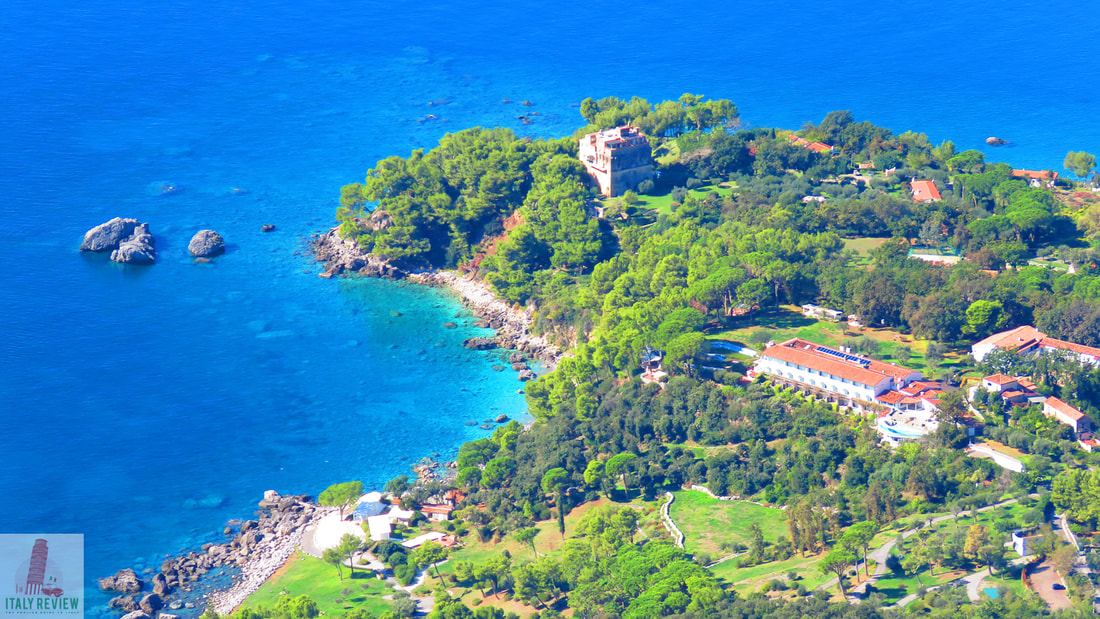
Santavenere Hotel is a luxury property with elegant rooms, a private beach, pool and spa facilities, consistently praised for its high standards (€€€). Grand Hotel Pianeta Maratea Resort provides spacious rooms, pools and panoramic terraces overlooking the coast, often noted for comfort and location (€€). Another option is Hotel Villa Cheta Elite, set in a restored villa with stylish interiors, gardens and sea views, regularly highlighted for its charm and guest experience (€€€).
Where is
Where is Maratea?
|
The town of Maratea is situated on the Tyrrhenian Coast in the Province of Potenza. It has a population of 5,045 inhabitants and is located around 127 kilometres south of Potenza, the regional capital of Basilicata.
Maratea offers a quite unique range of sites; the main residential area is a hill town, a few kilometres in from the coast, while it can also boast a beautiful port area as well as one of the most iconic sights in the region, the Statue of Christ the Redeemer which sits on a hill top overlooking the town. |
Comune di Maratea
|
Province: Potenza
Region: Basilicata Population: 4,642 (in 2024 - source) Size: 67 km² Elevation: 0-300 metres Highlights: Redentore, Maratea Port, hill town Water quality: Blue Flag Beach 2024-2025 Connected to the Italian High Speed Train Network Close by: Acquafredda, Rivello, Lagonegro, Lauria, Latronico Recommended accommodation: Hotel Murmann |
What People Ask About Maratea, Basilicata
Is Maratea worth visiting?
Yes, Maratea is worth visiting for its dramatic coastal views, historical town centre, and unique position on the Tyrrhenian Sea. It's known for its impressive Christ the Redeemer statue and a mix of beaches, cliffs, and cultural sites.
What are the main attractions in Maratea?
Main attractions include the Christ the Redeemer statue on Monte San Biagio, the historic centre with its churches and piazzas, and the scenic coastline dotted with coves and beaches. The Porto di Maratea is also popular for dining and boat trips.
How do I get to Maratea?
Maratea has its own train station on the Naples–Reggio Calabria line, with direct regional and InterCity services. It's also accessible by car via the SS18 road, and parking is available near the town centre and main viewpoints.
What is Maratea known for?
Maratea is known for its statue of Christ the Redeemer, its unspoilt coastline, and its historic centre filled with churches—earning it the nickname “the town of 44 churches.” It's also one of the few seaside towns in Basilicata.
When is the best time to visit Maratea?
The best time to visit Maratea is from May to October. Summer months are ideal for swimming and boat trips, while spring and early autumn offer mild weather for walking, sightseeing, and exploring the hilltop viewpoints without the crowds.
Related links
Discover
Discover Maratea
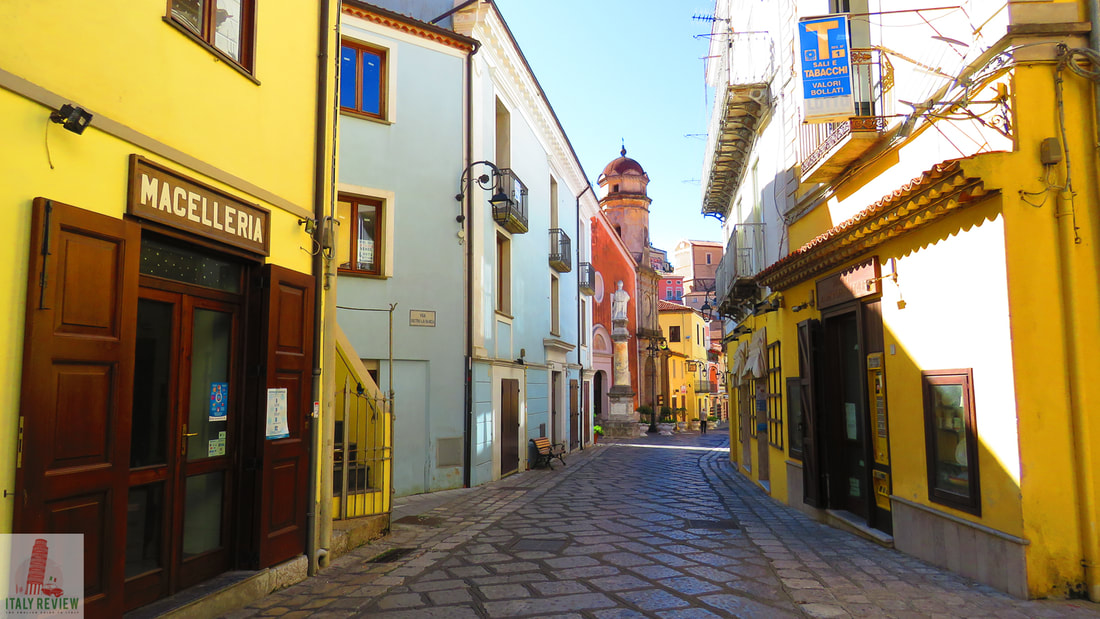
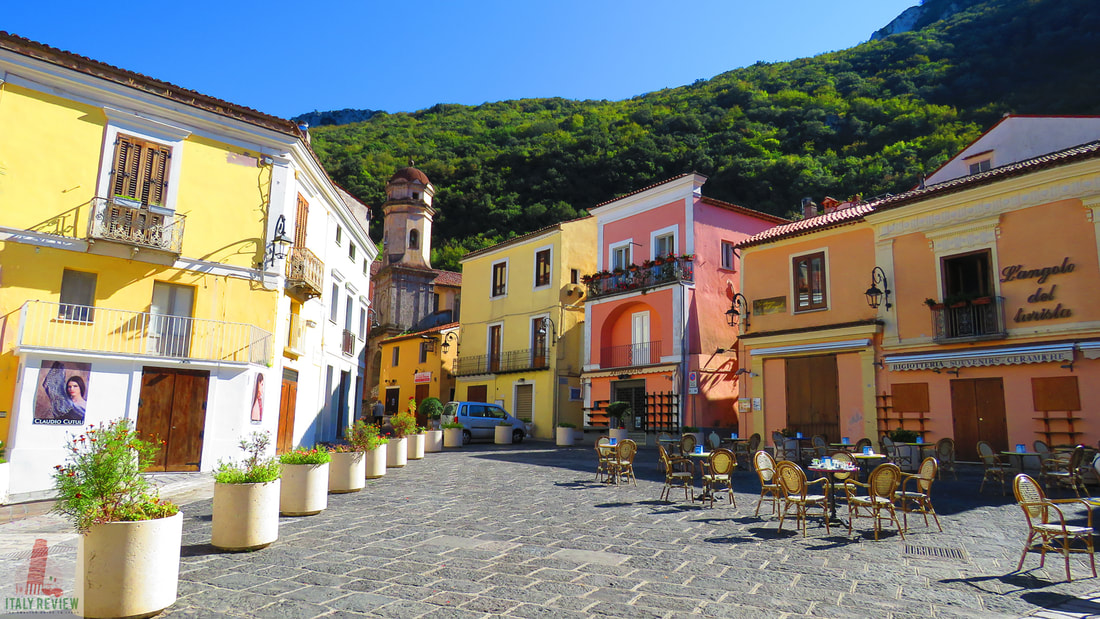
The centrepiece of the colourful centro storico (historic centre) is Piazza Buraglia with its open-air cafes, restaurants and gelaterias, while the remainder of the hill town area consists of narrow streets concealing fascinating churches and a good variety of shops.
Fans of contemporary Italian cinema should keep an eye out for the 2010 film Basilicata Coast to Coast; the story follows a rag-tag group of friends who decide to traverse the region from the Tyrrhenian Coast to the Ionian Coast, and their starting point is indeed Piazza Buraglia which appears in numerous of the film's scenes.
Statua del Redentore
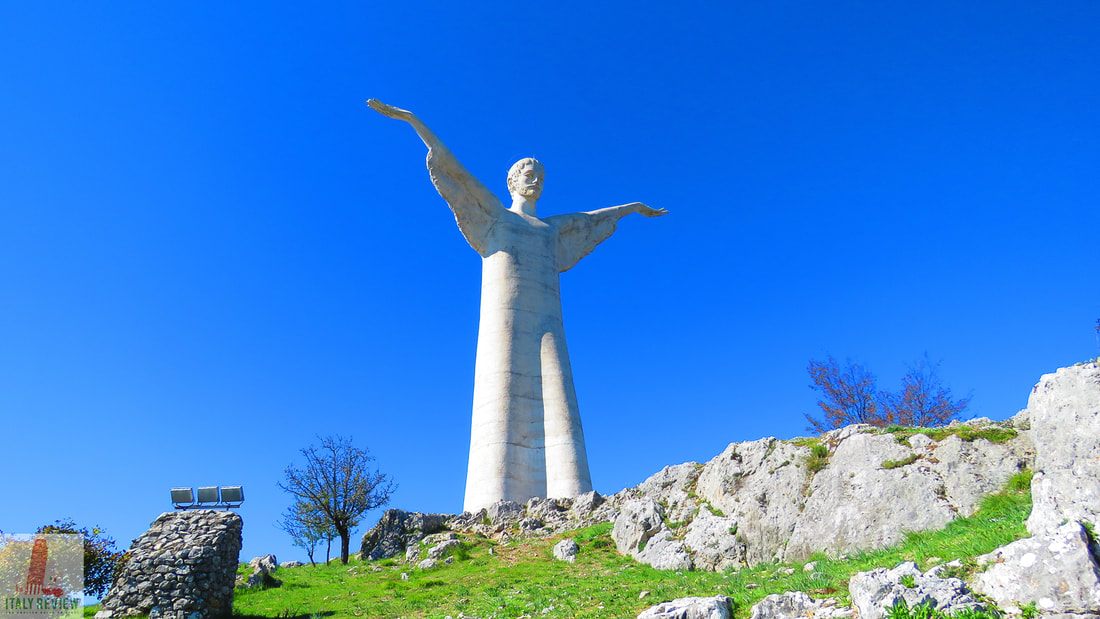
The most instantly-recognisable sight in Maratea is La Statua del Cristo Redentore, ("Statue of Christ the Redeemer" in English). It's more than a mere statue however; it's located around a 6 kilometre drive from the historic centre, a journey which takes around 13 minutes climbing the numerous hairpin bends that lead to the mountain-top.
The final stretch of road is not for the faint-hearted; a modern structure of curving road that seems almost suspended in mid-air but is obviously more than up to the task. Once you scale this final part of the road you reach a car parking area from which it's a 5 minute walk to the statue itself; passing a mini-village area with a church, souvenir shops and refreshment vendors.
The views once you reach the statue are some of the best you can find in Basilicata; looking down on to the picturesque coastline on one side and to the rugged interior on the other.
The final stretch of road is not for the faint-hearted; a modern structure of curving road that seems almost suspended in mid-air but is obviously more than up to the task. Once you scale this final part of the road you reach a car parking area from which it's a 5 minute walk to the statue itself; passing a mini-village area with a church, souvenir shops and refreshment vendors.
The views once you reach the statue are some of the best you can find in Basilicata; looking down on to the picturesque coastline on one side and to the rugged interior on the other.
Maratea port
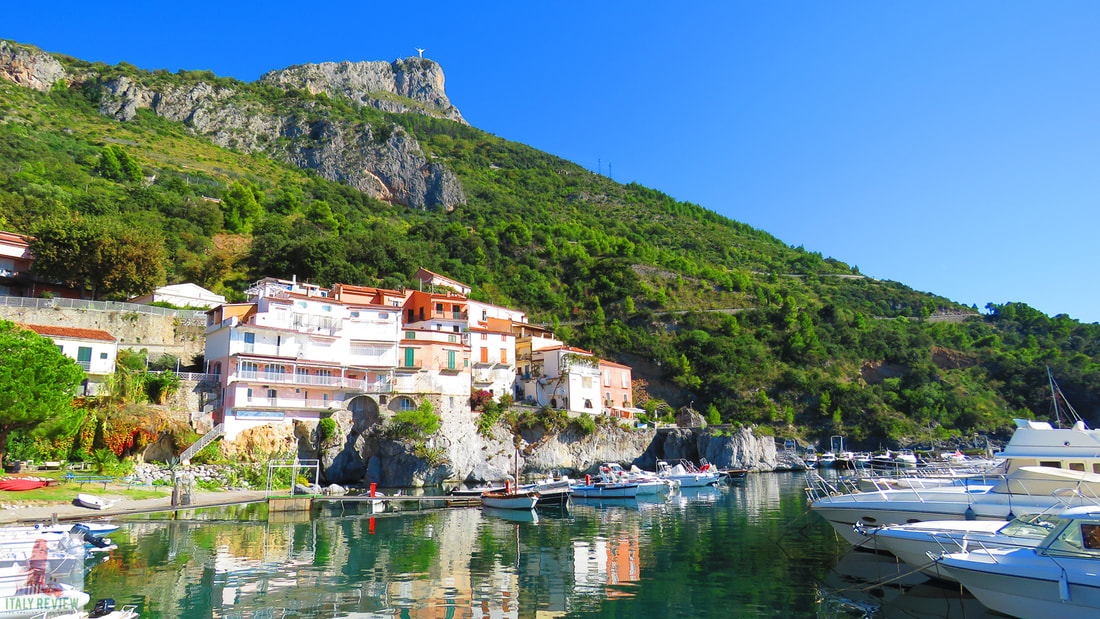
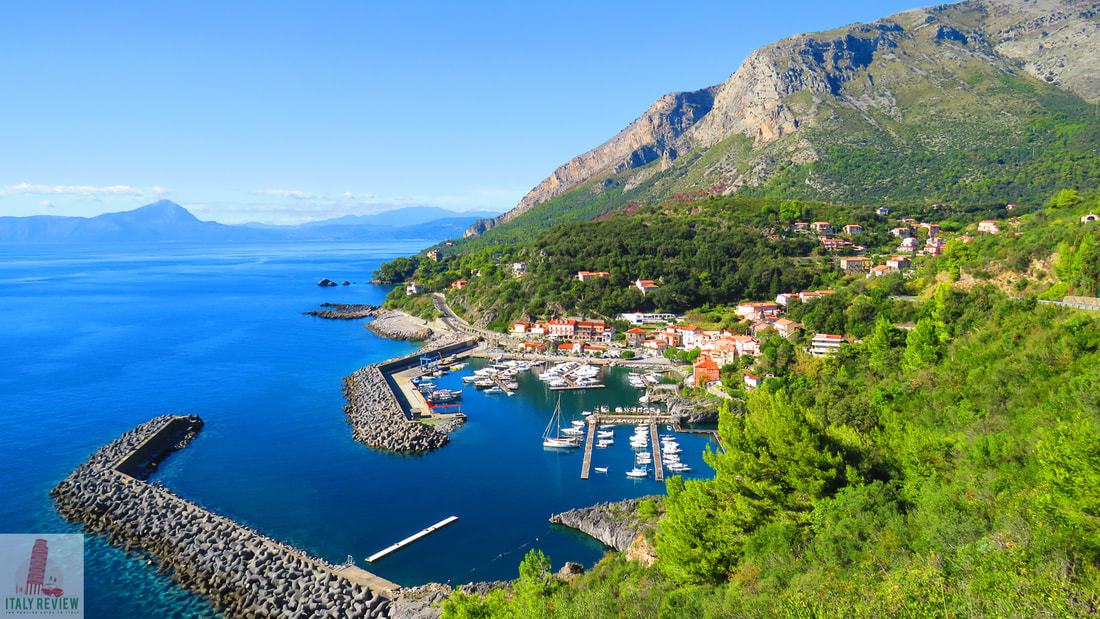
Another important part of Maratea is its port area. This is roughly the same distance and journey time from the hill town as it is to the statue area: 6 kilometres and 13 minutes by car. The port area glistens with azure water in its marina which is full of elegant yachts.
The area is home to a number of great restaurants which all enjoy the beautiful seaside views. A good amount of car-parking spaces are available at the port although charges can be quite high and spaces are at a premium during the summer.
The beaches of Maratea
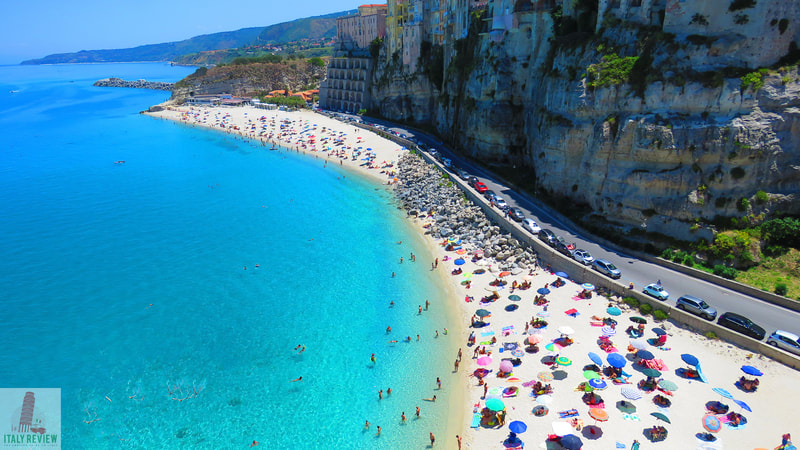
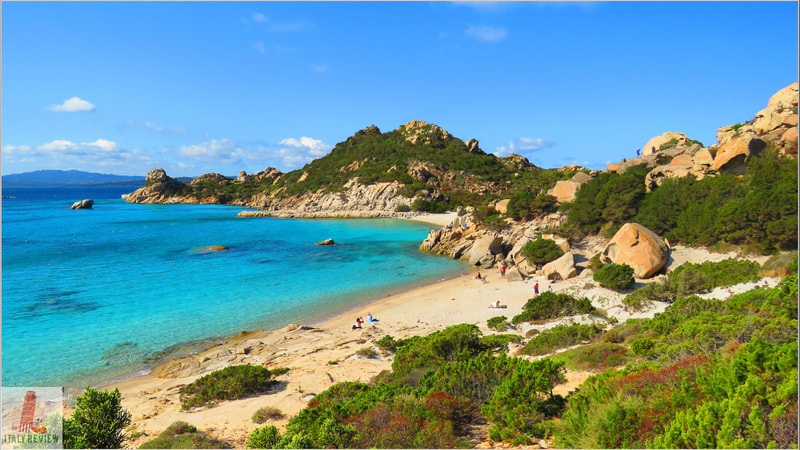
Aside from the hill town, the port and the area around La Statua del Cristo Redentore, Maratea is home to a number of beaches. The beaches are to be found either side of the hill town and include one area called Marina di Maratea which has its own train station, and is not to be confused with the port which is slightly further north along the coastal road. The main train station for the town, simply called "Stazione di Maratea", occupies the area between Maratea Port and the hill town.
Things to Do
Things to Do in Maratea
- Statua del Redentore stands atop Monte San Biagio and is one of the tallest statues of Christ in Europe, measuring over 20 metres. It was built in the 1960s and offers panoramic views over the Tyrrhenian coast and surrounding mountains. The summit can be reached by car or on foot, with a chapel and archaeological remains nearby.
- Centro Storico (Historic Centre) lies inland from the coast and is characterised by narrow alleys, stone houses, and small piazzas. Highlights include elegant palazzi, artisan shops, and the Church of Santa Maria Maggiore. The town is often called the “City of 44 Churches” due to its rich religious heritage.
- Porto di Maratea is a scenic harbour set against cliffs and pine-covered slopes, with mooring for boats, seafood restaurants, and access to pebble beaches. It serves as a base for boat trips along the coast and is popular for summer evening walks and dining by the water.
- Grotta delle Meraviglie is a small but impressive show cave near the coast road, discovered in the 1920s. It features stalactites, stalagmites, and underground chambers accessible by guided tour. The cave is open seasonally and lies close to the railway station and main road.
- Spiagge e Calette (Beaches and Coves) around Maratea include well-known spots like Fiumicello, Santa Teresa, and the black-sand beach of Cala Jannita. Many are surrounded by cliffs and are accessible via steps or boat. The coastline forms part of a marine reserve and is known for its clear water and natural rock formations.
Tours and Activities
Maratea Tours and Activities
Photo Gallery
Maratea Photo Gallery
Basilicata Top 10 - My Recommended Destinations in Basilicata
1. Matera
2. Craco
3. Maratea
4. Melfi
5. Pietrapertosa
6. Sant'Angelo Le Fratte
7. Venosa
8. Pollino National Park
9. Satriano di Lucania
10. Castelmezzano
👉 Explore the Top 10 Places to Visit in Basilicata
1. Matera
2. Craco
3. Maratea
4. Melfi
5. Pietrapertosa
6. Sant'Angelo Le Fratte
7. Venosa
8. Pollino National Park
9. Satriano di Lucania
10. Castelmezzano
👉 Explore the Top 10 Places to Visit in Basilicata
How to Get to [Place Name]
How to Get to Maratea
By Rail: Maratea has its own train station on the Naples–Reggio Calabria line, operated by Trenitalia. Intercity and regional trains connect the town to Naples in approximately 2 hours and to Salerno in about 1 hour and 20 minutes. The station is located close to the lower part of town, with access to the historic centre and marina by bus or taxi.
By Road: Maratea is situated on the Tyrrhenian coast of Basilicata, around 40 kilometres south of Sapri and 60 kilometres north of Scalea. From Salerno, the drive takes around 2 hours via the A2 motorway and SS585. From Potenza, the regional capital, the journey is about 110 kilometres and takes approximately 2 hours and 15 minutes. Public parking is available near the marina, the old town, and key panoramic viewpoints.
Nearest International Airports:
By Road: Maratea is situated on the Tyrrhenian coast of Basilicata, around 40 kilometres south of Sapri and 60 kilometres north of Scalea. From Salerno, the drive takes around 2 hours via the A2 motorway and SS585. From Potenza, the regional capital, the journey is about 110 kilometres and takes approximately 2 hours and 15 minutes. Public parking is available near the marina, the old town, and key panoramic viewpoints.
Nearest International Airports:
- Naples Capodichino Airport: The nearest major airport, located about 210 kilometres to the northwest. The drive takes around 2 hours and 30 minutes via the A3 and SS585.
- Lamezia Terme International Airport: Situated approximately 150 kilometres to the south, with a driving time of about 2 hours via the A2 motorway.
- Bari Karol Wojtyła Airport: Located around 220 kilometres to the northeast, the journey takes about 3 hours by car and is suitable for those exploring both coasts of southern Italy.
Private Transfers
Maratea Private Transfers
A private transfer offers a comfortable and convenient way to travel to or from Maratea, allowing you to reach your destination directly without the need to drive or manage public transport. You’ll be collected from your chosen location and taken straight to your destination by a professional local driver.
Naples Capodichino Airport is the most suitable option for arrivals and departures, with good road access along the Tyrrhenian coast. Transfers can also be arranged to nearby destinations such as Sapri, Praia a Mare, and Trecchina, or to other seaside towns and inland villages across southern Basilicata and the Lucanian Apennines.
To request a quote or check availability for a private transfer, just fill out the short form below and we’ll get back to you with all the details.
Naples Capodichino Airport is the most suitable option for arrivals and departures, with good road access along the Tyrrhenian coast. Transfers can also be arranged to nearby destinations such as Sapri, Praia a Mare, and Trecchina, or to other seaside towns and inland villages across southern Basilicata and the Lucanian Apennines.
To request a quote or check availability for a private transfer, just fill out the short form below and we’ll get back to you with all the details.