Massa
|
Latest page update: 18 June 2025
|
By: Dion Protani
|
Where to Stay
Where to Stay in Massa
Massa offers a varied selection of established hotels, with options ranging from city-centre stays to seaside properties in nearby Marina di Massa. Accommodation here is generally well rated for comfort, cleanliness and professional service, making it a convenient base for both business and leisure travellers.
Hotel Excelsior in Marina di Massa is a standout choice, featuring elegant rooms, a pool, fine dining and panoramic sea views, praised for its facilities and attentive service (€€€). In the town centre, Hotel Italia provides comfortable rooms with a restaurant and easy access to local attractions, earning positive feedback for its value and friendly staff (€€). Another good option is Hotel Villa Maremonti, located between Massa and Forte dei Marmi, offering a refined atmosphere with gardens, a pool and on-site dining, appreciated for its setting and high standard of hospitality (€€€).
Where is
Where is Massa?
|
The city of Massa is the capital city of the Province of Massa & Carrara with a population of 68,889 inhabitants.
Standing at an elevation of 65 metres above sea level, it covers a total area of 94 km² and lies 110 kilometres north west of Florence, the regional capital of Tuscany. Massa is split into two distinct areas, separated by eight kilometres: the main area of the city lies inland in a slight elevated position while Marina di Massa is a seaside beach resort. |
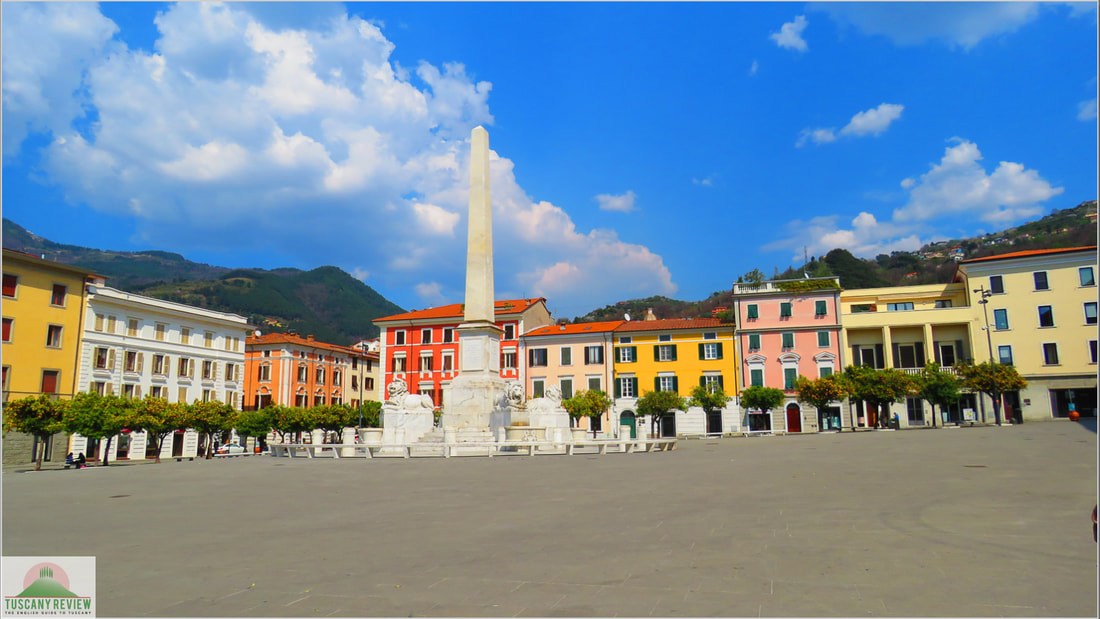
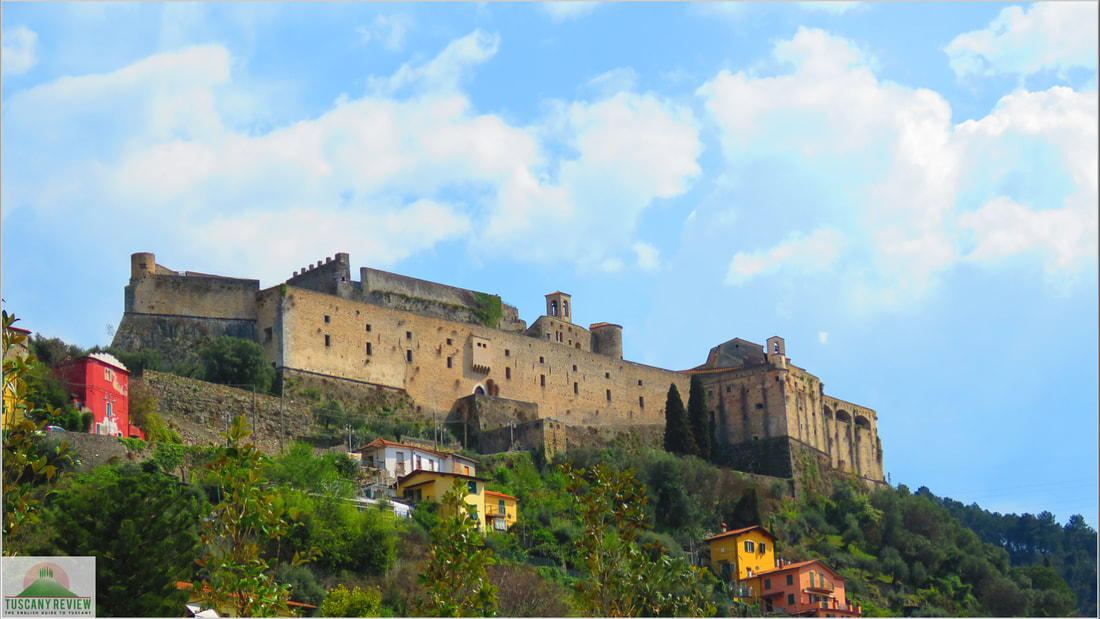
Sights in Massa include the main square called Piazza Aranci - a square lined with orange trees and flanked by the Palazzo Ducale. Just around the corner from the Piazza lies Massa Cathedral while looming on a hill overlooking the city is the 12th century castle: Castello Malaspina.
Comune di Massa
|
Province: capital of Massa and Carrara
Region: Tuscany Population: 65,987 (in 2024 - source) Size: 94 km² Elevation: 65 metres Highlights: Piazza Aranci, Palazzo Ducale, Cathedral, Castle Close by: Carrara, Forte dei Marmi, Lido di Camaiore, Viareggio |
What People Ask About Massa, Tuscany
Is Massa worth visiting?
Yes—Massa is a historic town located between the Apuan Alps and the Tyrrhenian Sea. It offers a mix of medieval landmarks, marble heritage, and proximity to both mountains and beaches, making it a good base for exploring northern Tuscany.
What are the main attractions in Massa?
Key sights include the Malaspina Castle overlooking the town, Piazza Aranci with its orange trees and Renaissance architecture, the Ducal Palace, and local marble workshops. The Marina di Massa beach area is a short drive from the centre.
How do I get to Massa?
Massa has its own train station on the Pisa–La Spezia line, with regular services to major cities. It’s also easily accessible by car via the A12 motorway, and local buses run between the town and the coast.
What is Massa known for?
Massa is known for its marble industry, historic architecture, and location between sea and mountains. It’s part of the Massa-Carrara marble zone and offers cultural attractions as well as access to nature trails and beach resorts.
When is the best time to visit Massa?
The best time to visit Massa is from May to September for warm weather and access to beaches. Spring and early autumn are ideal for sightseeing, hiking, and avoiding peak tourist traffic.
Related links
Discover
Discover Massa
Massa is a city in northern Tuscany, located between the Apuan Alps and the Tyrrhenian Sea. Set a few kilometres inland from the coast, it forms part of the Apuan Riviera together with Carrara. The city lies at the foot of the marble-rich mountains, with its historic centre extending around a network of squares, narrow streets and Renaissance buildings framed by the surrounding hills.
The Malaspina Castle dominates the skyline from its hilltop position, reflecting Massa’s long history under the Malaspina family. In the centre, the Cathedral of Saints Peter and Francis, the Ducal Palace, and the Teatro Guglielmi highlight its architectural and cultural heritage. Nearby quarries and marble workshops connect the city to the same tradition that made Carrara famous. Massa’s location provides quick access to Marina di Massa, the Apuan Alps, and the coastal road leading to Viareggio and La Spezia.
Things to Do
Things to Do in Massa
- Castello Malaspina sits on a hill above the city and dates back to the 12th century, originally built as a fortress and later converted into a noble residence. Its ramparts, towers, and courtyards offer views over Massa and the Apuan Alps. Visitors can explore interior rooms, exhibition spaces, and scenic terraces.
- Piazza Aranci is the central square of Massa, lined with orange trees and framed by elegant buildings including Palazzo Ducale. The square hosts markets, concerts, and open-air cafés, and is a lively meeting point for locals. Its Baroque layout and symmetry reflect Massa’s former role as a ducal capital.
- Cattedrale dei Santi Pietro e Francesco is the city’s cathedral, featuring a Romanesque layout with later Renaissance and Baroque elements. Inside are artworks, marble altars, and a richly decorated ceiling. The church sits near the main piazza and reflects centuries of architectural evolution.
- Palazzo Ducale di Massa is a former residence of the Cybo-Malaspina family, located in the heart of the city near Piazza Aranci. The palace includes frescoed halls, grand staircases, and historical displays. It is sometimes open for guided tours or cultural exhibitions.
- Guided tour to the Apuan Alps from Massa offers a scenic journey through mountain villages, marble quarries, and forest trails. Tours often include visits to panoramic viewpoints, insights into local geology, and stops at traditional trattorie. Routes vary by season and can be tailored for walking, driving, or cycling.
Tours and Activities
Massa Tours and Activities
Where to Eat
Where to Eat in Massa
Dining in Massa combines the flavours of the Tuscan coast with those of the nearby Apuan Alps, offering a varied mix of seafood and inland specialities. Restaurants are found throughout the old town and along the roads leading to Marina di Massa, ranging from family-run trattorias to more contemporary bistros. The dining atmosphere is friendly and unpretentious, often featuring outdoor seating during the warmer months. Lunch is usually served between 12:30 and 14:30, with dinner beginning from about 19:30.
Local cuisine reflects both mountain and sea influences, with popular dishes such as testaroli al pesto (flat pasta with basil sauce), tagliata di manzo (sliced beef with olive oil and rosemary), and frittura di paranza (mixed fried fish). Starters often include cured meats and cheeses from the Lunigiana area, while desserts like torta di riso alla carrarina are typical of the province. Local wines such as Candia dei Colli Apuani, Vermentino, and Colli di Luni Rosso are commonly served, typically €6–€8 by the glass or €20–€30 per bottle.
Typical Prices of Popular Dishes
Antipasto misto (€10–€14), testaroli al pesto (€12–€16), frittura di paranza (€22–€30), and torta di riso alla carrarina (€5–€7). A typical meal with wine costs around €35–€45 per person.
Local cuisine reflects both mountain and sea influences, with popular dishes such as testaroli al pesto (flat pasta with basil sauce), tagliata di manzo (sliced beef with olive oil and rosemary), and frittura di paranza (mixed fried fish). Starters often include cured meats and cheeses from the Lunigiana area, while desserts like torta di riso alla carrarina are typical of the province. Local wines such as Candia dei Colli Apuani, Vermentino, and Colli di Luni Rosso are commonly served, typically €6–€8 by the glass or €20–€30 per bottle.
Typical Prices of Popular Dishes
Antipasto misto (€10–€14), testaroli al pesto (€12–€16), frittura di paranza (€22–€30), and torta di riso alla carrarina (€5–€7). A typical meal with wine costs around €35–€45 per person.
Places Close to [Place Name]
Places Close to Massa
- Carrara (approx. 10 km north of Massa): Known for its world-famous marble quarries, Carrara is a town with a rich history in marble production. Visitors can explore the Museo Civico to learn about the town's marble heritage, or take a tour of the quarries for a unique experience. Carrara is also home to the impressive Duomo di Carrara, offering both historical and cultural attractions.
- Forte dei Marmi (approx. 20 km southeast of Massa): A sophisticated seaside town known for its long sandy beaches and elegant atmosphere, Forte dei Marmi is perfect for those seeking relaxation and luxury. The town offers a variety of high-end shops, restaurants, and beach clubs. Visitors can stroll along the seafront promenade or explore the lively market and piazzas for a taste of local life.
- Lucca (approx. 45 km southeast of Massa): A well-preserved medieval town, Lucca is known for its intact city walls, cobbled streets, and stunning architecture. The Piazza dell'Anfiteatro and Torre Guinigi are must-see attractions, along with the beautiful Lucca Cathedral. Visitors can also enjoy walking or cycling along the city walls or explore the town’s charming streets filled with shops, cafes, and restaurants.
- Pietrasanta (approx. 15 km south of Massa): A town known for its artistic heritage, Pietrasanta is often referred to as the "Little Athens" of Tuscany. The town is home to several art galleries and sculptures, and visitors can enjoy wandering through the Piazza del Duomo, where local artists display their work. Pietrasanta is also close to the stunning Versilia Coast, offering both cultural and natural beauty.
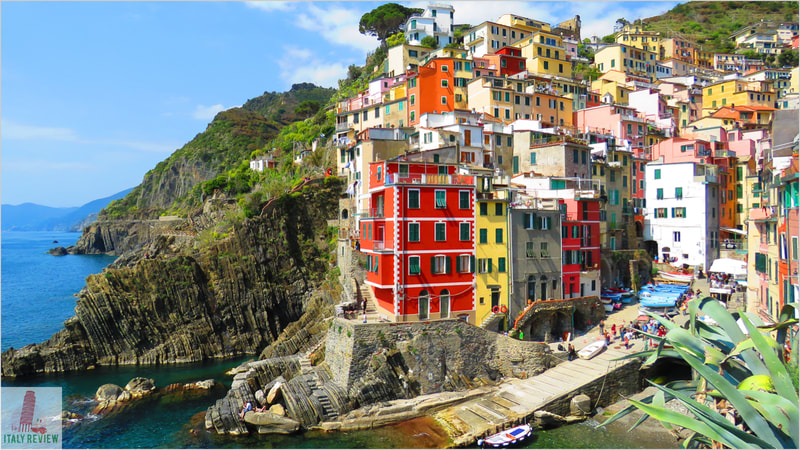
- Cinque Terre (approx. 60 km northwest of Massa): A UNESCO World Heritage site, the Cinque Terre is a collection of five picturesque villages along the Ligurian coast. Visitors can explore the colourful streets, relax on the rocky beaches, and hike the famous coastal trails offering breathtaking views. The region is known for its dramatic cliffs, terraced vineyards, and Mediterranean charm, making it a must-visit destination for nature lovers and history enthusiasts alike.
Tuscany Top 10 - My Recommended Destinations in Tuscany
1. Florence
2. Siena
3. Val d'Orcia
4. Pisa
5. Lucca
6. San Gimignano
7. Giglio
8. Volterra
9. Pienza
10. Elba
👉 Explore the Top 10 Places to Visit in Tuscany
1. Florence
2. Siena
3. Val d'Orcia
4. Pisa
5. Lucca
6. San Gimignano
7. Giglio
8. Volterra
9. Pienza
10. Elba
👉 Explore the Top 10 Places to Visit in Tuscany
How to Get to [Place Name]
How to Get to Massa
Massa's train station is called Massa Centro and it lies 2 kilometres from Piazza Aranci, a 20 minute walk or a 5 minute bus ride (routes L60 or L61), followed by a 5 minute walk. Trains run south from Massa to Florence with a journey time of an hour and 54 minutes, stopping along the way at the seaside resorts of Forte dei Marmi (6 minutes), Pietrasanta (10 minutes) and Viareggio (19 minutes) followed by the city of Pisa (40 minutes) along the way. There are also faster connections available to Florence by changing in Pisa to take a faster train. Heading north, it's just a 6 minute train ride to Carrara, the train eventually continuing to the Ligurian port town of La Spezia (30 minutes).
The most convenient airport for Massa is Pisa Airport which is a 36 minute drive away (55 km), while Tuscany's other major airport, Florence Airport, is the next best option at an hour and 15 minutes away (114 km).
Places to visit close to Massa include the seaside resorts of the Versilia Coast mentioned above, while heading inland there's the town of Carrara, famous for its marble production. Heading north it's only a short distance to the neighbouring region of Liguria with the town of Sarzana a particular highlight. Beyond Sarzana and further into Luguria lie some of the best seaside towns in Italy including Lerici, Portovenere and the five villages of the Cinque Terre.
The most convenient airport for Massa is Pisa Airport which is a 36 minute drive away (55 km), while Tuscany's other major airport, Florence Airport, is the next best option at an hour and 15 minutes away (114 km).
Places to visit close to Massa include the seaside resorts of the Versilia Coast mentioned above, while heading inland there's the town of Carrara, famous for its marble production. Heading north it's only a short distance to the neighbouring region of Liguria with the town of Sarzana a particular highlight. Beyond Sarzana and further into Luguria lie some of the best seaside towns in Italy including Lerici, Portovenere and the five villages of the Cinque Terre.
|
Public transport: train station 2 km from centre, local buses
By train: Forte dei Marmi - 6 minutes, Pietrasanta - 10 minutes |
By car: Pisa - 43 mins (50 km), Lucca - 44 mins (50 km)
Fly to: Pisa Airport - 36 minutes by car (55 km) |
Private Transfers
Massa Private Transfers
A private transfer provides a smooth and convenient way to reach Massa or continue your journey to other destinations in Tuscany and northern Italy. You’ll be collected from your chosen location and taken directly to your destination by a professional driver, avoiding the need to coordinate public transport or drive through busy regional roads yourself.
From Massa, transfers can connect you with Pisa International Airport and Florence Airport, while longer routes are available to Bologna Guglielmo Marconi Airport and Rome Fiumicino Airport. They are equally practical for shorter journeys to nearby towns such as Carrara, Forte dei Marmi, and Viareggio, or for exploring the Apuan Alps and the coastal areas of northern Tuscany.
To request a quote or check availability for a private transfer, just fill out the short form below and we’ll get back to you with all the details.
From Massa, transfers can connect you with Pisa International Airport and Florence Airport, while longer routes are available to Bologna Guglielmo Marconi Airport and Rome Fiumicino Airport. They are equally practical for shorter journeys to nearby towns such as Carrara, Forte dei Marmi, and Viareggio, or for exploring the Apuan Alps and the coastal areas of northern Tuscany.
To request a quote or check availability for a private transfer, just fill out the short form below and we’ll get back to you with all the details.